
At ROMEO, we’re always looking for interesting topics that tell us something about ourselves, our community, and society.
And with summer slowly arriving, our thoughts turned to a very German tradition: nudity and FKK (Freikörperkultur, or “free body culture”).
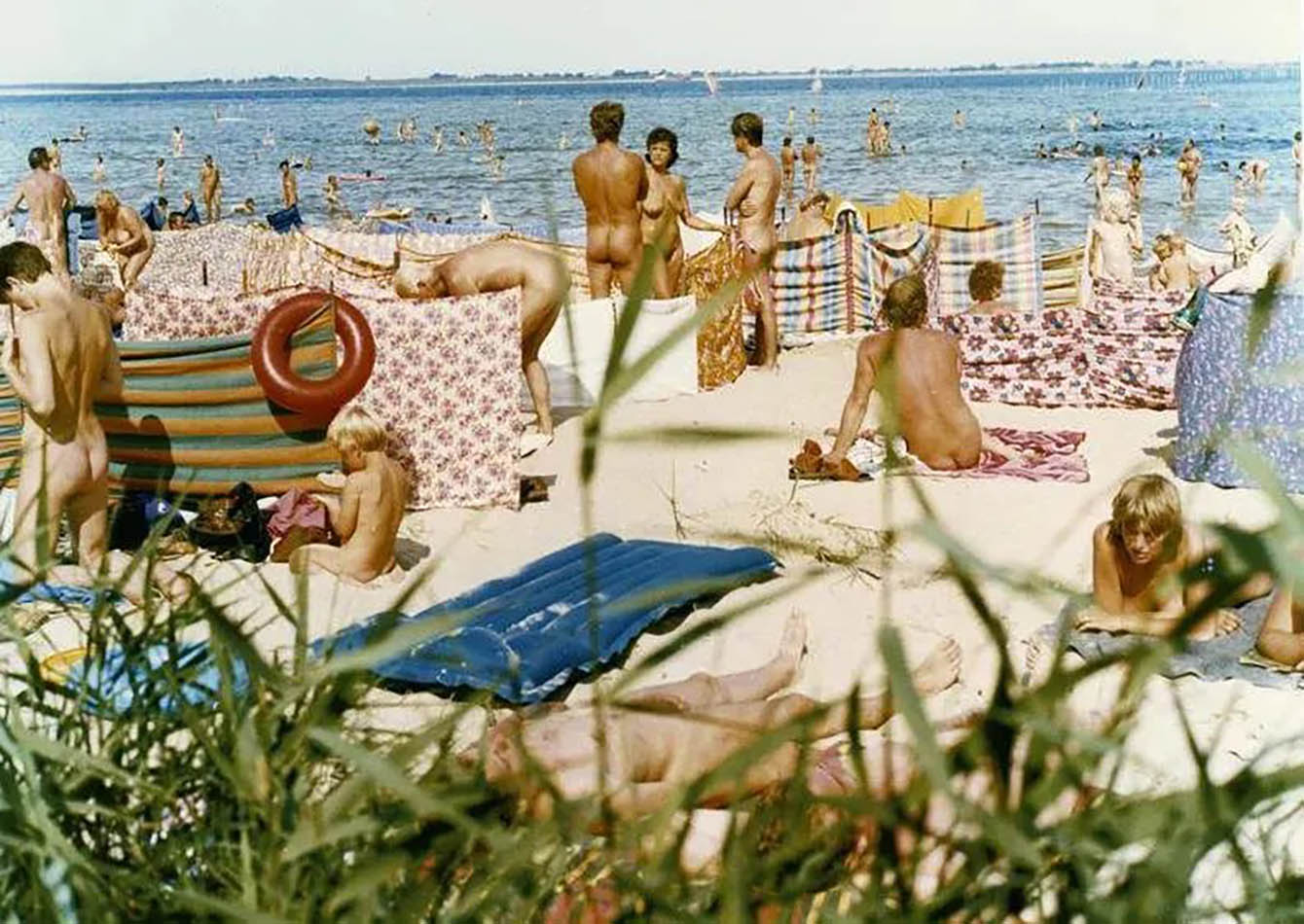
One of the FKK beaches on the Baltic Sea coast.
But this article is not really about FKK. It is simply one example of a much larger question:
Have we become less comfortable with the human body again?
A Different View of the Human Body
FKK emerged more than a century ago as part of a broader movement that promoted health, nature, sports, and personal freedom. Its supporters believed that the human body was natural and did not need to be hidden or treated with shame.
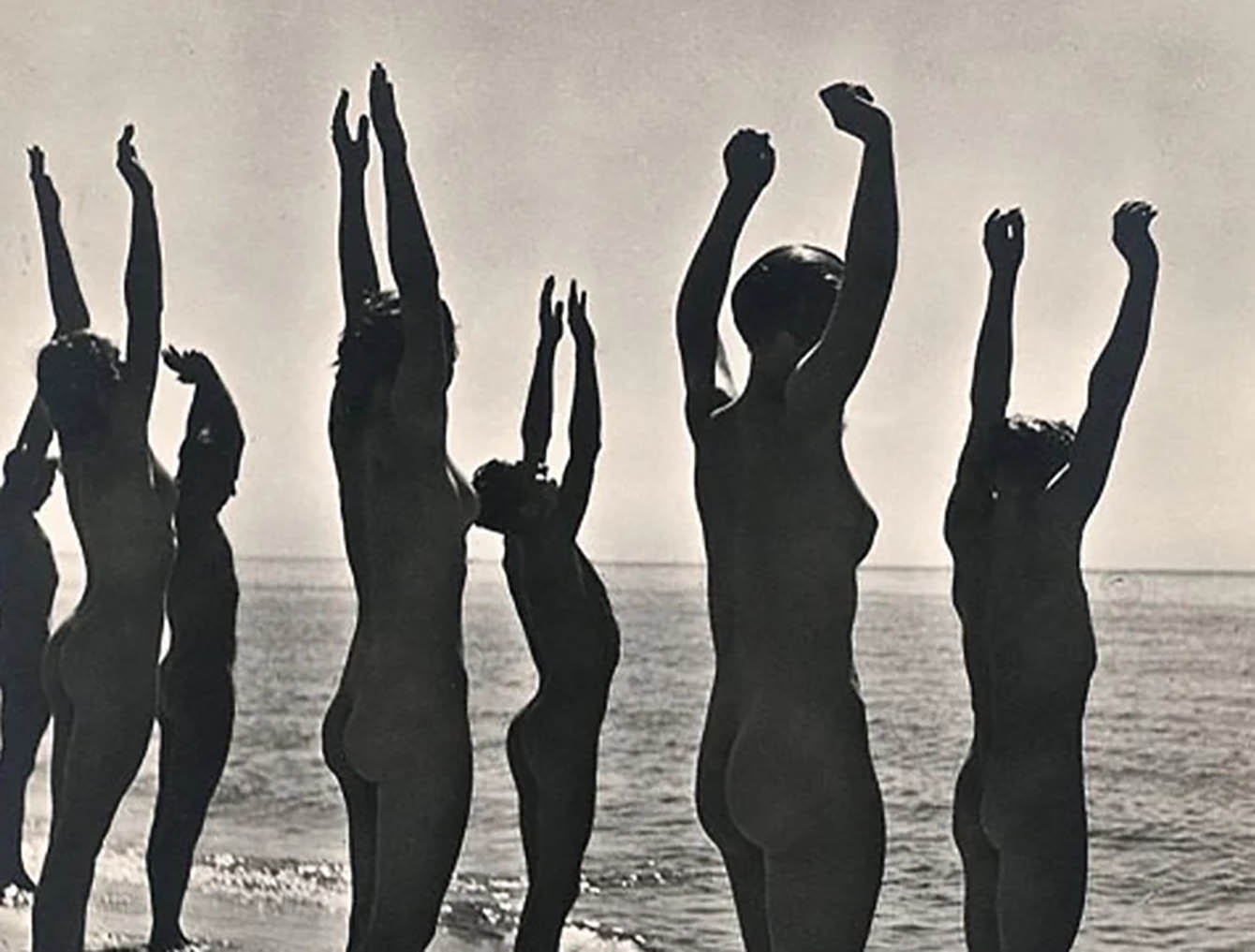
Germany, 1920: People had simply had enough of tight, restrictive clothing.
Over time, this attitude became surprisingly mainstream in parts of Germany, especially in East Germany.
This may sound ironic. After all, East Germany was a communist dictatorship with many restrictions on personal freedom. Yet FKK became enormously popular there. The authorities quickly realized that people spending a day naked at a lake were not plotting a revolution. Instead, many East Germans saw FKK as one of the few places where they could simply relax and feel free.
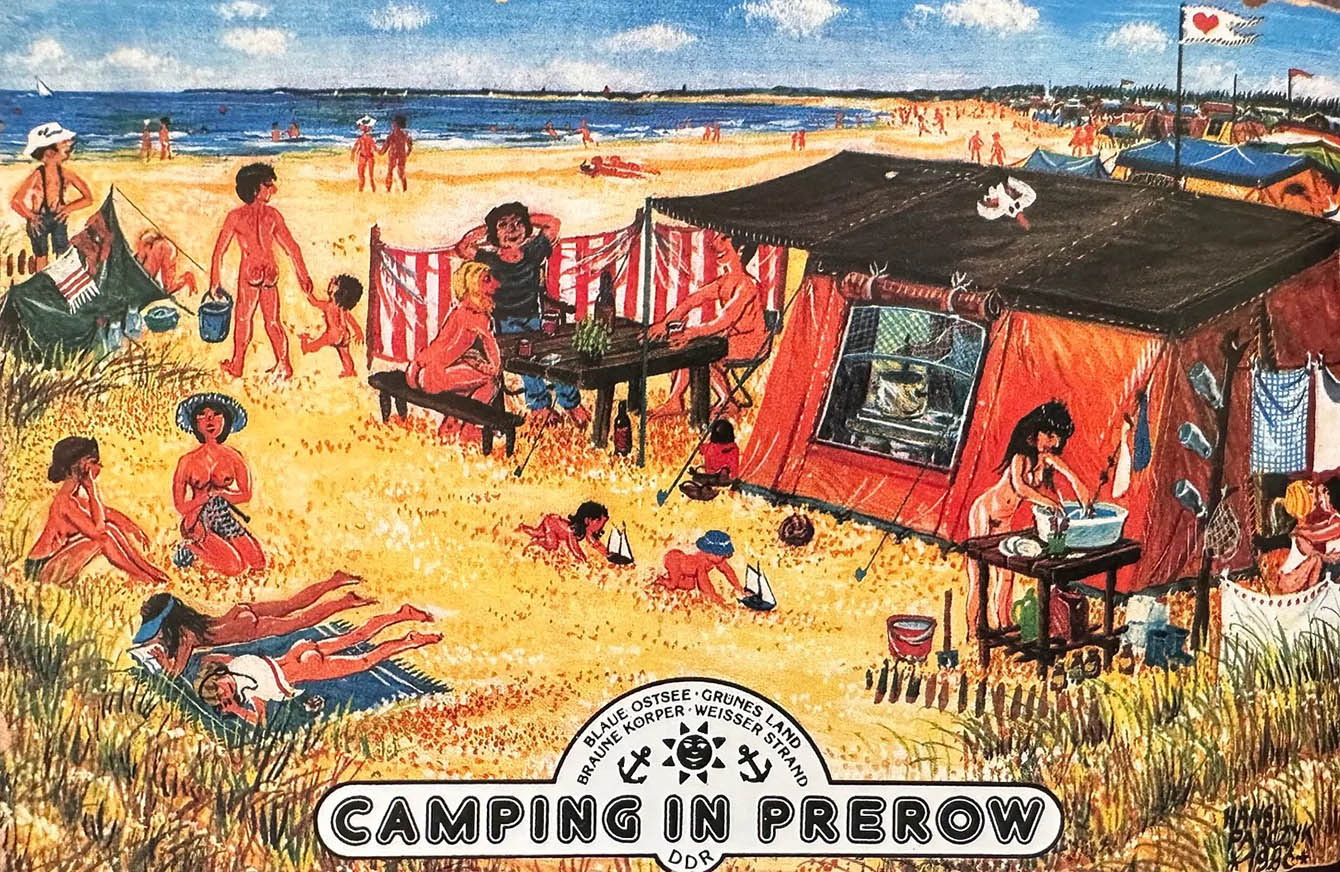
A commercial postcard from the GDR features nude camping in Prerow.
There may even have been a practical advantage. In an economy famous for shortages, a culture in which people did not need swimsuits certainly did not create additional demand for them.
In many coastal regions and lakeside areas, FKK became so common that the opposite situation could occur: nude beaches were the standard, while textile beaches had to be specially marked.
Have We Become More Prudish?
Today, we sometimes wonder whether society is moving in the opposite direction.
This may sound strange at first. After all, we live in an age of social media, influencers, dating apps, and endless streams of images.
Yet simple nudity often feels more controversial than it did a few decades ago.
Just think about movies and art.
If you watch mainstream films from the 1980s or 1990s, even comedies often included romantic scenes, nudity, or the occasional sex scene. Nobody considered this particularly remarkable.
Even famous works of art that have been displayed in museums for centuries are now often censored.
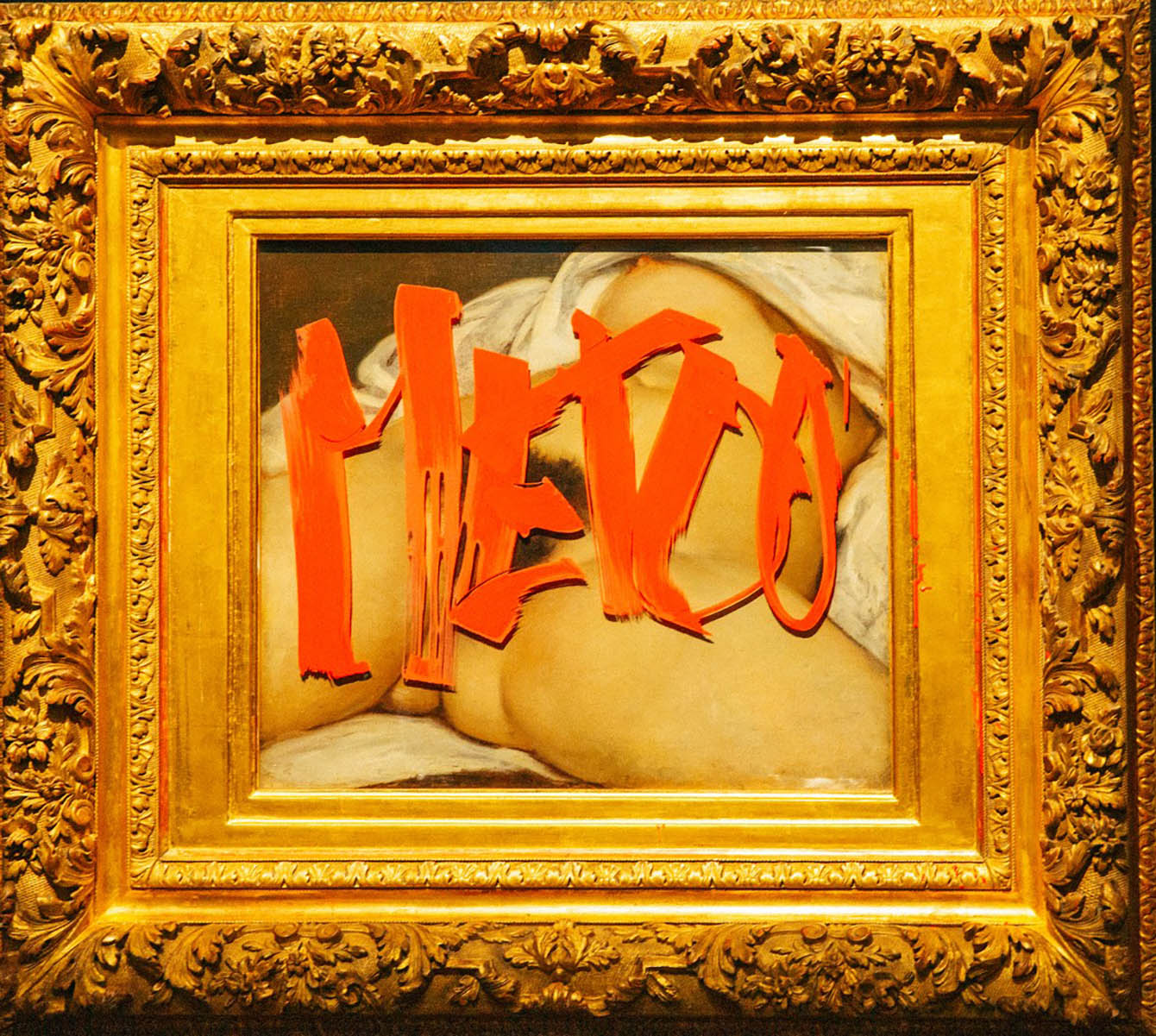
Just one example, Gustave Courbet’s iconic 1866 painting L’origine du monde (The Origin of the World), which notoriously depicts the exposed vulva and torso of a woman whose face remains out of view, was not only ongoing removed from social media platforms, but also one of five works spray-painted with the phrase “MeToo” at France’s Centre Pompidou-Metz.
And interestingly, this pressure does not come from only one side. Whether driven by conservatives, commercial platform policies, or wokeness, the result often looks similar: nudity becomes treated as something problematic.
Why This Matters to Us
Perhaps that is no surprise. We are a European company, and Europe has traditionally had a relatively relaxed relationship with nudity. Whether it is beaches, darkrooms, saunas, art, sports, or parts of gay culture, the human body has often been viewed as something normal rather than something that must always be hidden.
As one example, Google’s store policies have shifted from prohibiting “sexually explicit” content to restricting content that is merely “sexually suggestive.”
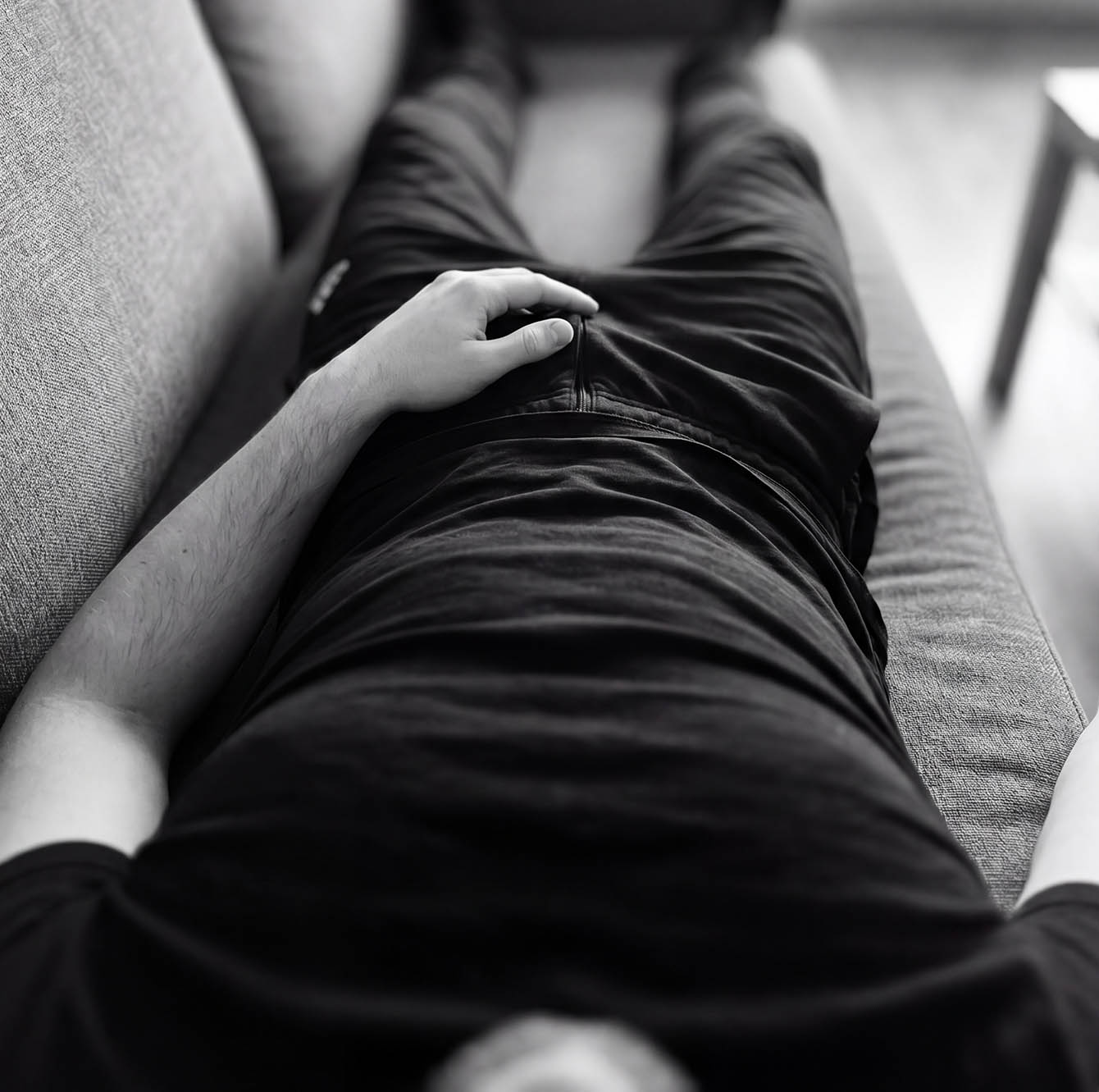
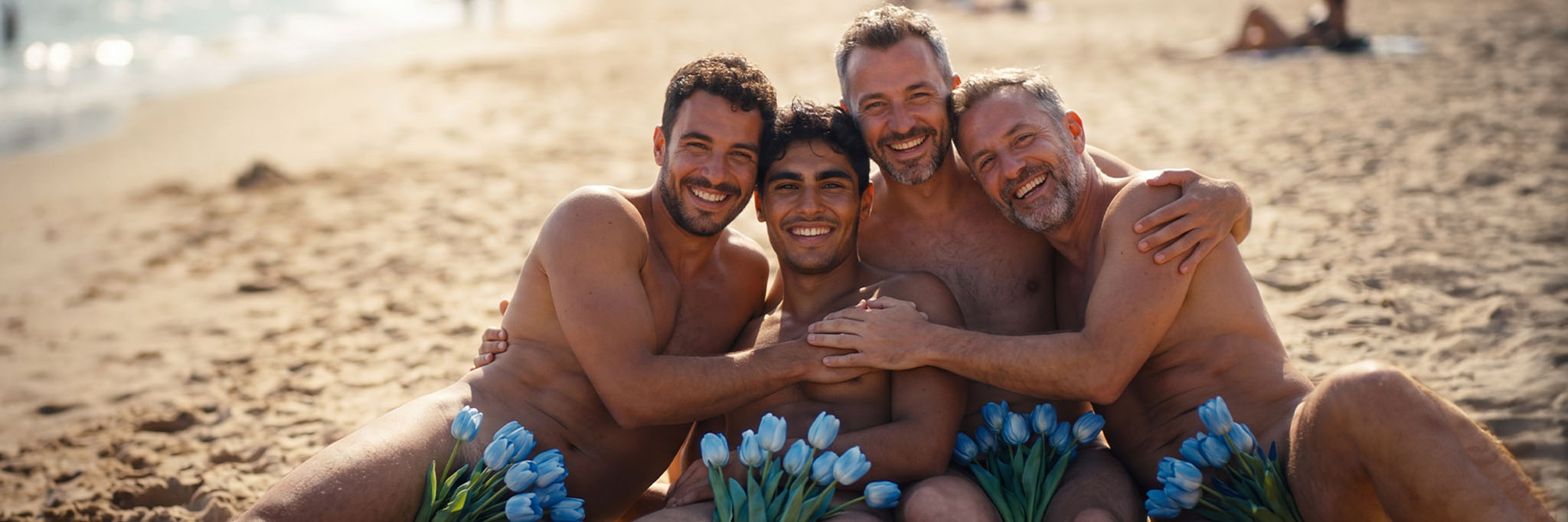
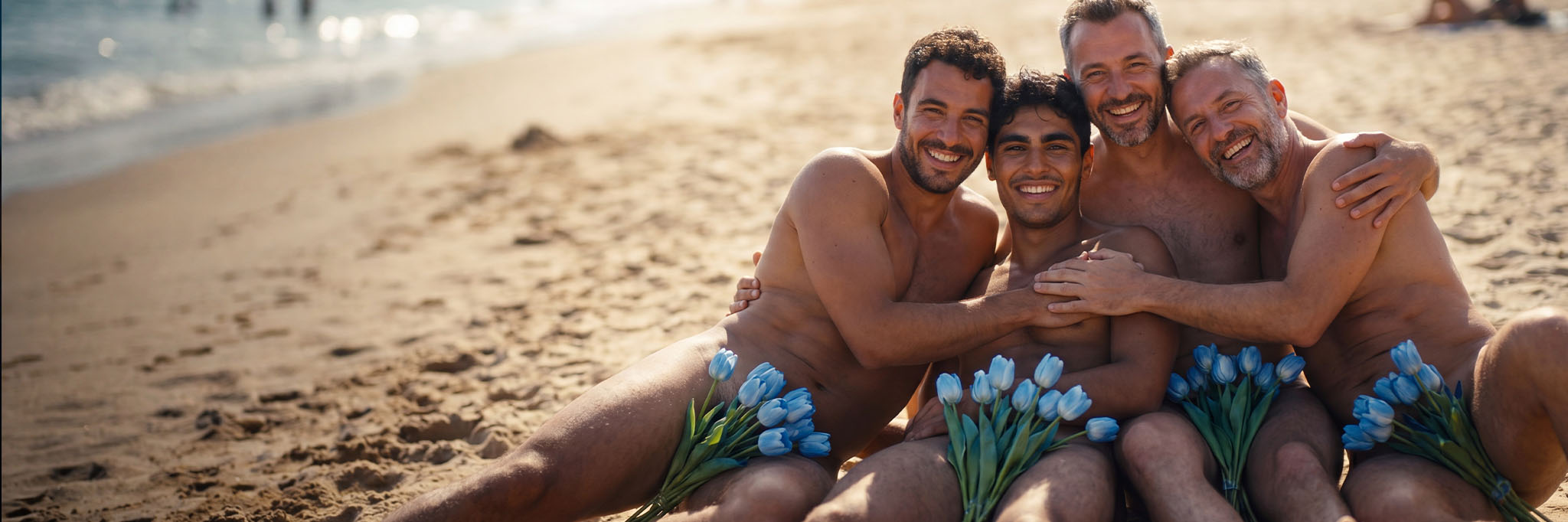
We don’t have the original photo, nor would we ever publish a user’s photo here. So we recreated it using AI.A photo very much like this one got us kicked out of the Google Play Store a while ago.
We understand that international companies must take many different concerns into account. But why does it sometimes feel as if their moral guidelines come straight from Vatican City, Beijing, or Tehran?
A Personal Story
The person writing this article will never forget a visit to a straight gym sauna in Berlin many years ago. After a workout, a British friend headed toward the showers and sauna while I followed a few minutes later.
When I entered the sauna, I found him standing there with a towel, looking extremely uncomfortable. He was repeatedly apologizing to two women who were also using the sauna but didn’t speak English. The women looked completely confused. My friend looked even more confused.
Only after a few awkward seconds did I explain that this was simply a mixed sauna. Nobody had done anything wrong. The women were there because they wanted to relax after their workout.
For my British friend, it was a small cultural shock.
And perhaps that is the point. Our attitudes toward nudity are often less about the body itself and more about what we have learned to associate with it.
The people in that sauna were not thinking about sex. They were not making a statement. They were simply sharing a space respectfully.
What do you think? Share your thoughts on X, Instagram, Facebook.
We wish you a wonderful summer — and encourage you to get as nude as you like, offline or here with us. 🙂
Your body-positive ROMEO Team
PS: And yes, we are aware of the irony. We probably haven’t featured this many naked women on our pages in years — but unfortunately, we couldn’t find any good gay examples. 😣