
February is LGBT+ History Month, and we’re using this moment to shine a light on figures you might not know so well. This time, we’re talking about Christopher Isherwood, a writer who captured queer life, freedom, and fear at a turning point in European history.
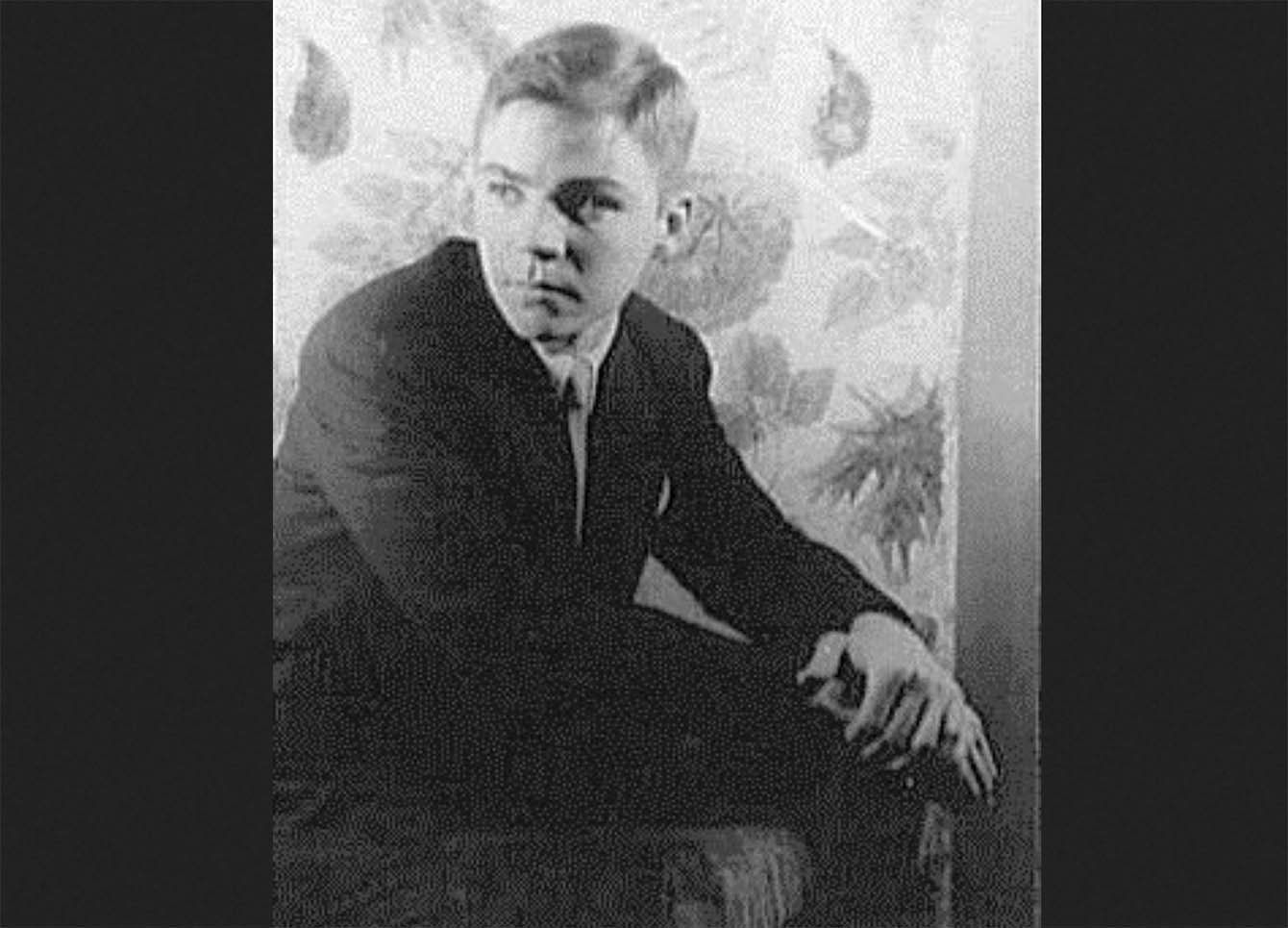
Isherwood was born in 1904 in England into an upper-middle-class family. Early on, he felt constrained by British society and its expectations. He wanted distance, freedom, and a place where life felt more honest. That place would become Berlin.
Isherwood in Berlin
Isherwood arrived in Berlin in March 1929, in the aftermath of Germany’s lost war. Berlin had become one of the most liberal cities in the world.
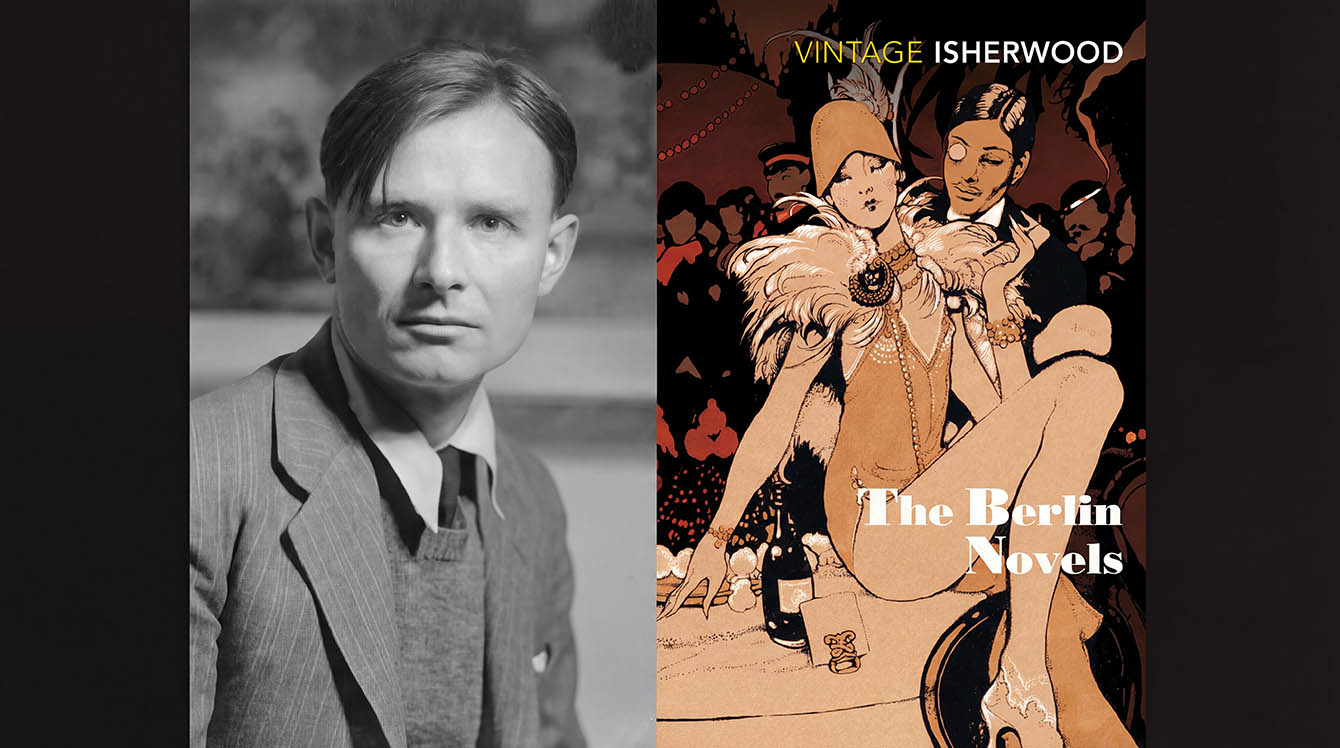
He describes how artists, intellectuals, sex workers, foreigners, the wealthy, and the desperately poor all shared the same streets and nightlife. Queer life was visible, experimental, and unusually open.

As the years pass, his writing begins to show a shift. Fear slowly replaces carelessness. Nationalist ideas move from the fringes into everyday conversations. Antisemitism becomes more open.
Isherwood eventually had to leave Germany. What he left behind was not just a city, but a fragile moment of freedom that was about to be destroyed.
From Berlin Stories to Cabaret
Isherwood’s Berlin experiences became the foundation for his book Goodbye to Berlin, which later inspired the musical and film Cabaret. The story follows a young foreign writer living in Berlin and his relationship with the charismatic Sally Bowles, set against the backdrop of the city’s cabaret scene.
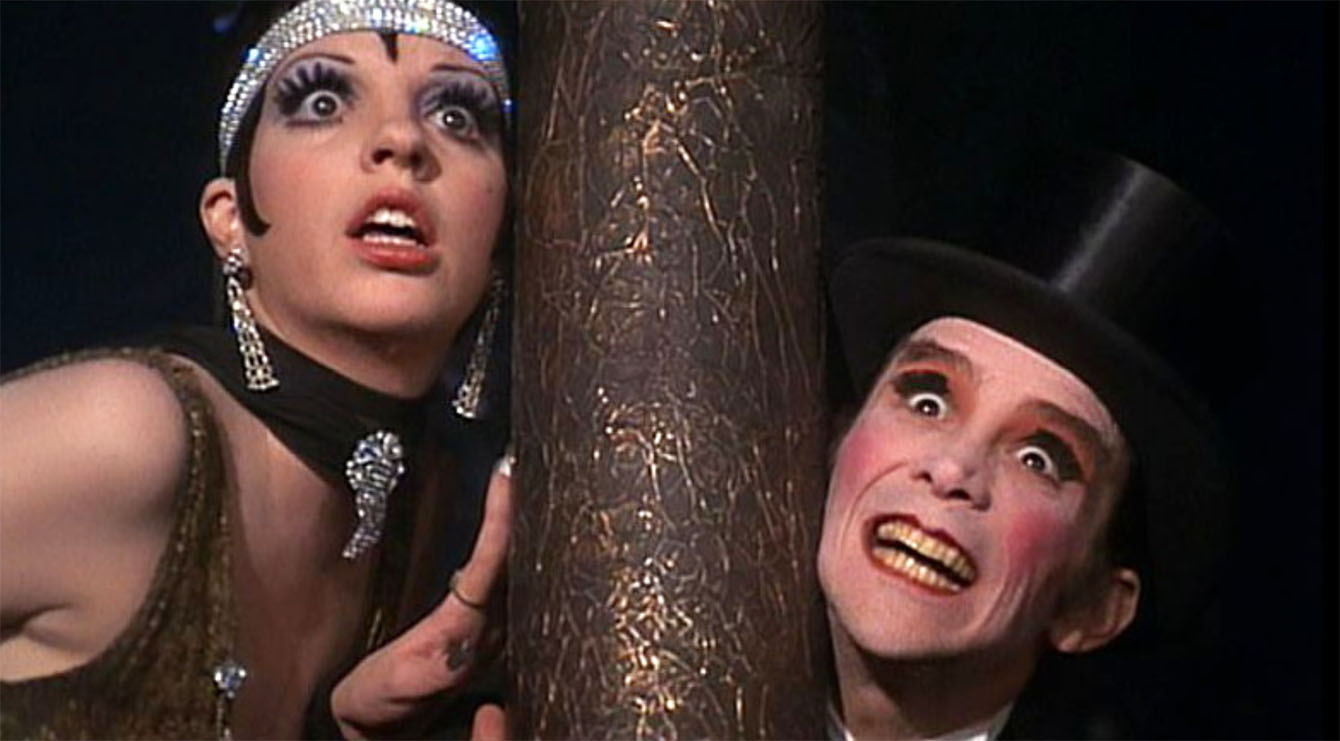
On the surface, Cabaret is glamorous, playful, and seductive. Beneath that surface, it tells a much darker story: a society dancing, flirting, and entertaining itself while fascism grows just outside the club doors. The famous film adaptation, starring Liza Minnelli, turned this tension into one of the most iconic images of 20th-century cinema.
Around the Corner
When we walk through Berlin today, we often walk the same streets Isherwood once knew. Some places still exist; others have completely changed. One building associated with the cabaret world that inspired Cabaret is now an organic supermarket. Of course it is. It’s Berlin.

The Eldorado in 1932, where the book is set, and today.
Yet the echoes remain. The “Golden Twenties” remind us how quickly freedom can flourish and how quickly it can disappear. Looking at modern Berlin, the city stands as both a warning and a quiet monument: nothing is ever granted forever, but again and again, love and self-expression find ways to survive.
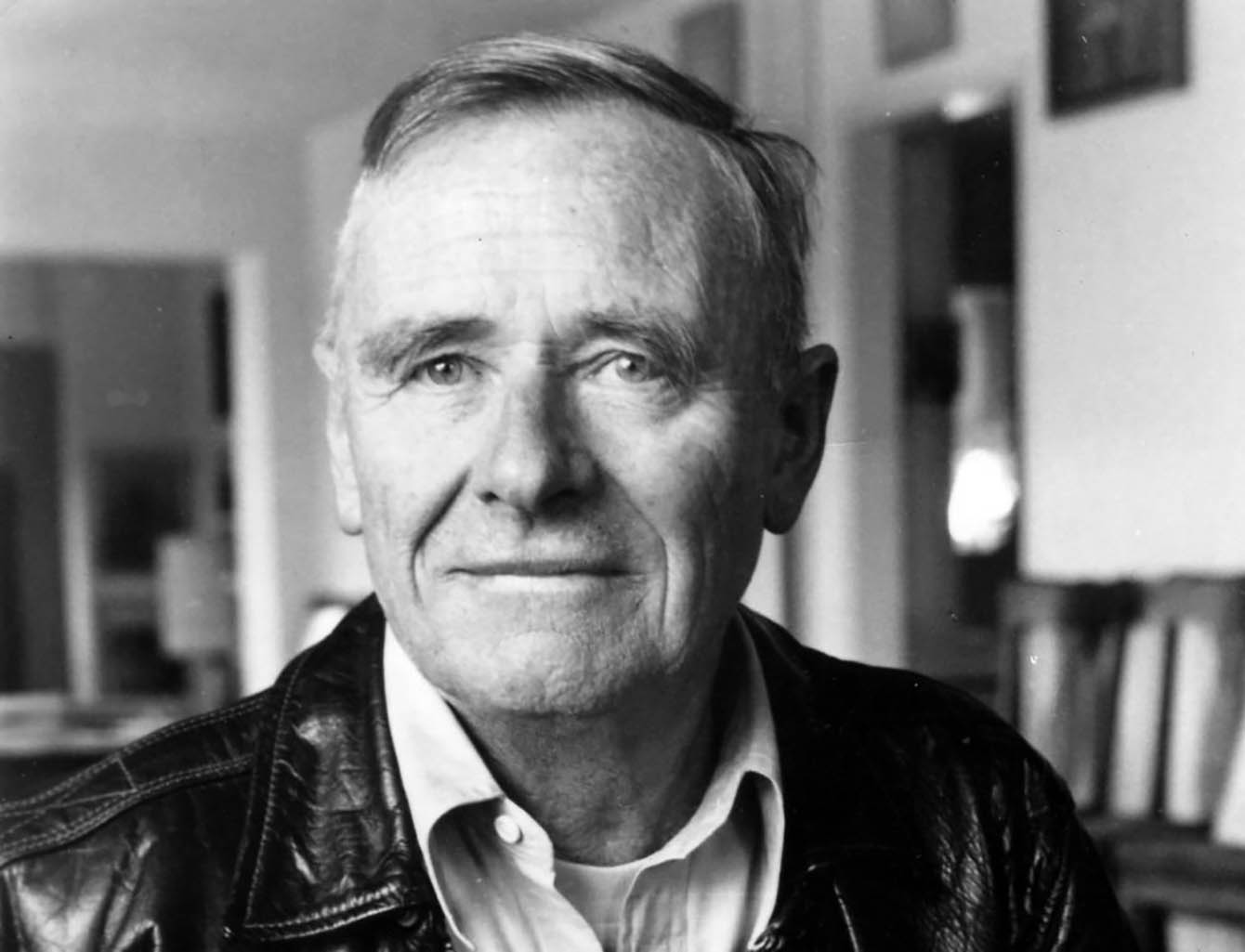
After leaving Germany, Isherwood emigrated to the United States, where he continued to write openly about identity, spirituality, and relationships. He later became a U.S. citizen and lived most of his life in California, passing away in 1986 and leaving behind a legacy that still reflects the struggles of so many in our Rainbow family today.
With hugs and love,
Your Romeo Team