


Ahead of National Coming Out Day on 11 October here in the Netherlands, we wanted to look at a subject familiar to so many of us: coming out, and how differently it can happen depending on the person, the time and the place.
For some people, coming out is carefully planned. For others, it happens because somebody asks the right question at the wrong time. Sometimes it brings enormous relief. Sometimes it brings consequences. Sometimes somebody else makes the decision for you.
For Coming Out Day, we looked back at three very public coming-out stories. Different decades, different circumstances and very different levels of ownership.
Laughing at the Scandal
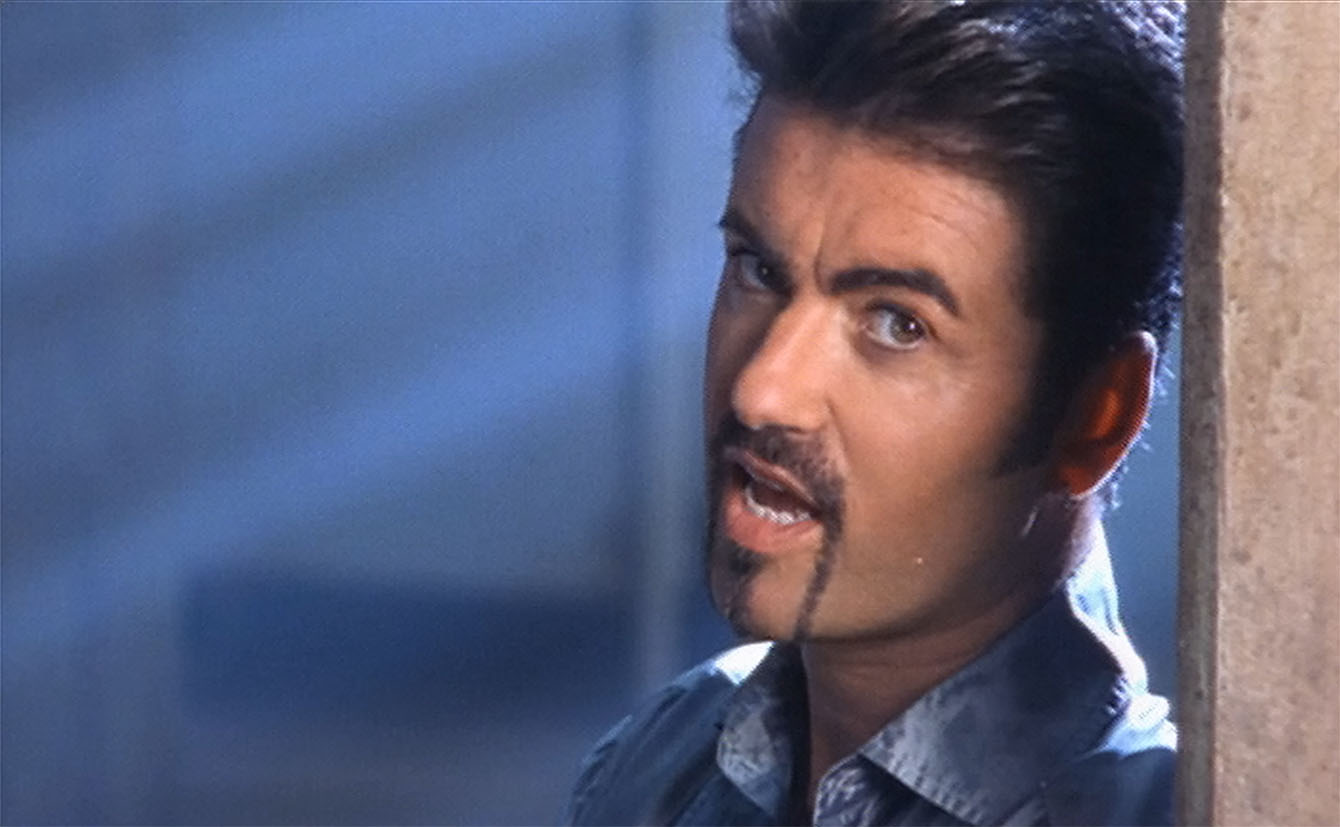
George Michael in the music video for “Outside” (1998), released just months after the Beverly Hills incident that pushed his sexuality into the headlines. Still from the official music video.
In April 1998, George Michael was arrested during an undercover police sting in a public toilet in Beverly Hills.
For one of the biggest pop stars in the world, there was absolutely nothing private about what happened next.
The arrest became international news. Michael’s sexuality, already the subject of years of speculation, was suddenly part of the story too.
Soon afterwards, he spoke openly about being gay. He made it clear that while he regretted the circumstances that had exposed his private life, being gay itself was not something he was ashamed of.
He could have disappeared for a while.
Instead, a few months later, George Michael released Outside.

George Michael surrounded by dancing police officers in the Outside music video (1998), turning the scandal’s imagery into something playful and defiant. Still from the official music video.
The video took practically everything surrounding the scandal — police uniforms, surveillance, public sex, even the public toilet itself — and transformed it into something bold, playful and unapologetically queer.
It was fun, provocative and completely on his terms.
Michael could not control the way his sexuality had entered the headlines. But he could control what happened afterwards. Rather than allowing the scandal to define him, he reclaimed the story and turned it into an expression of confidence, sexuality and freedom.
Forced Outing on Live TV
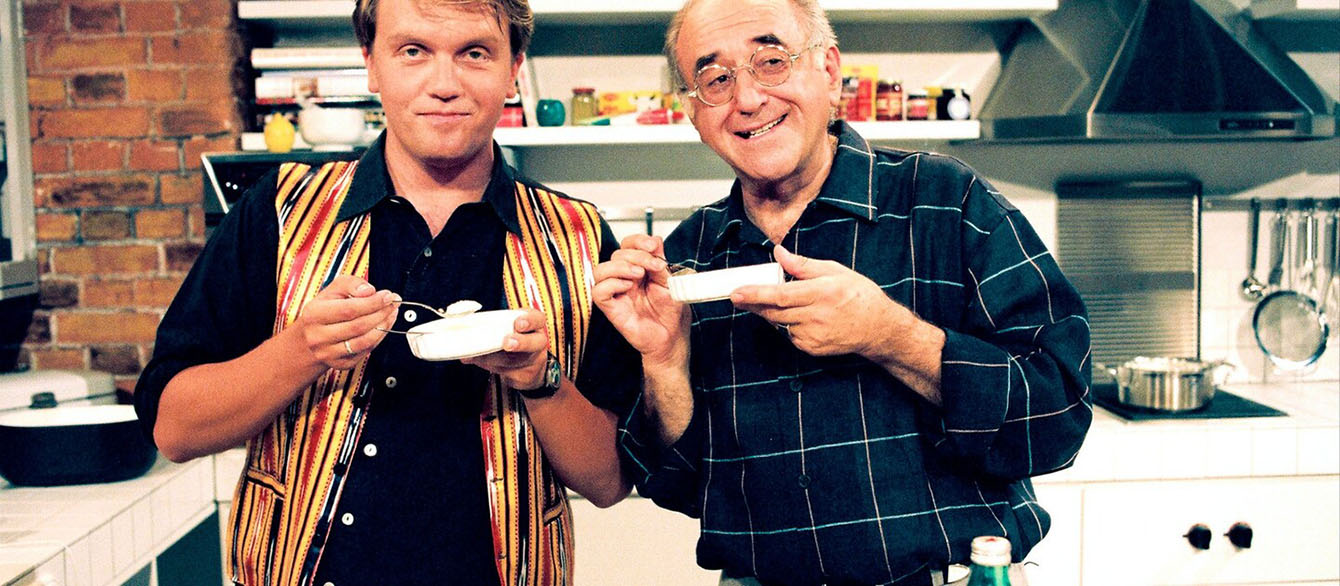
Alfred Biolek and Hape Kerkeling together on an episode of “alfredissimo!”, Biolek’s TV cooking show with celebrity guests, first broadcast on 1 December 1995. Photo: WDR / ARD Mediathek.
On 10 December 1991, filmmaker and gay activist Rosa von Praunheim appeared on the RTL programme Der heiße Stuhl (“The Hot Seat”).
During the broadcast, he publicly identified two of Germany’s most popular television personalities, Alfred Biolek and Hape Kerkeling, as gay.
Neither had agreed to it. Neither was even in the studio.
The AIDS crisis was at its height. Gay men were facing enormous fear, stigma and discrimination, while very few famous gay people were publicly visible. Von Praunheim believed prominent gay men had a responsibility to stand openly with the community. He later described the TV appearance as a desperate response to the AIDS crisis.
The reaction was explosive.
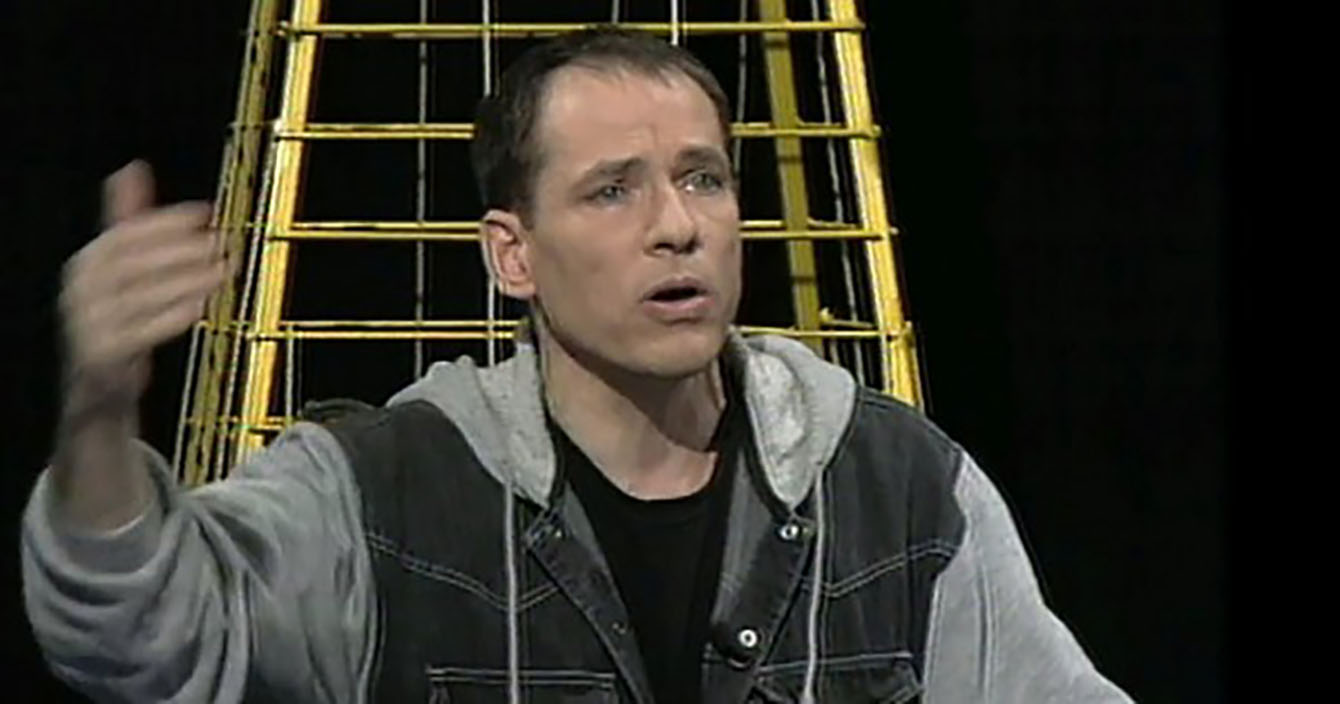
Rosa von Praunheim during his 1991 appearance on RTL’s “Der heiße Stuhl”, where he forcibly outed Alfred Biolek and Hape Kerkeling on live television. Still: RTL.
There was criticism not only from the press but also from within the gay community. The question at the centre of it remains uncomfortable today:
Can visibility ever be demanded from someone else?
Biolek later described the outing as painful, while also acknowledging that once it had happened, a certain tension disappeared. Kerkeling, too, would eventually look back on the episode with more distance than he could have had in 1991.
But neither of them had chosen that day.
That makes their story particularly important when we talk about coming out. Because being open about your sexuality and having your sexuality revealed by somebody else are not the same thing.
Breaking the Silence in Sport
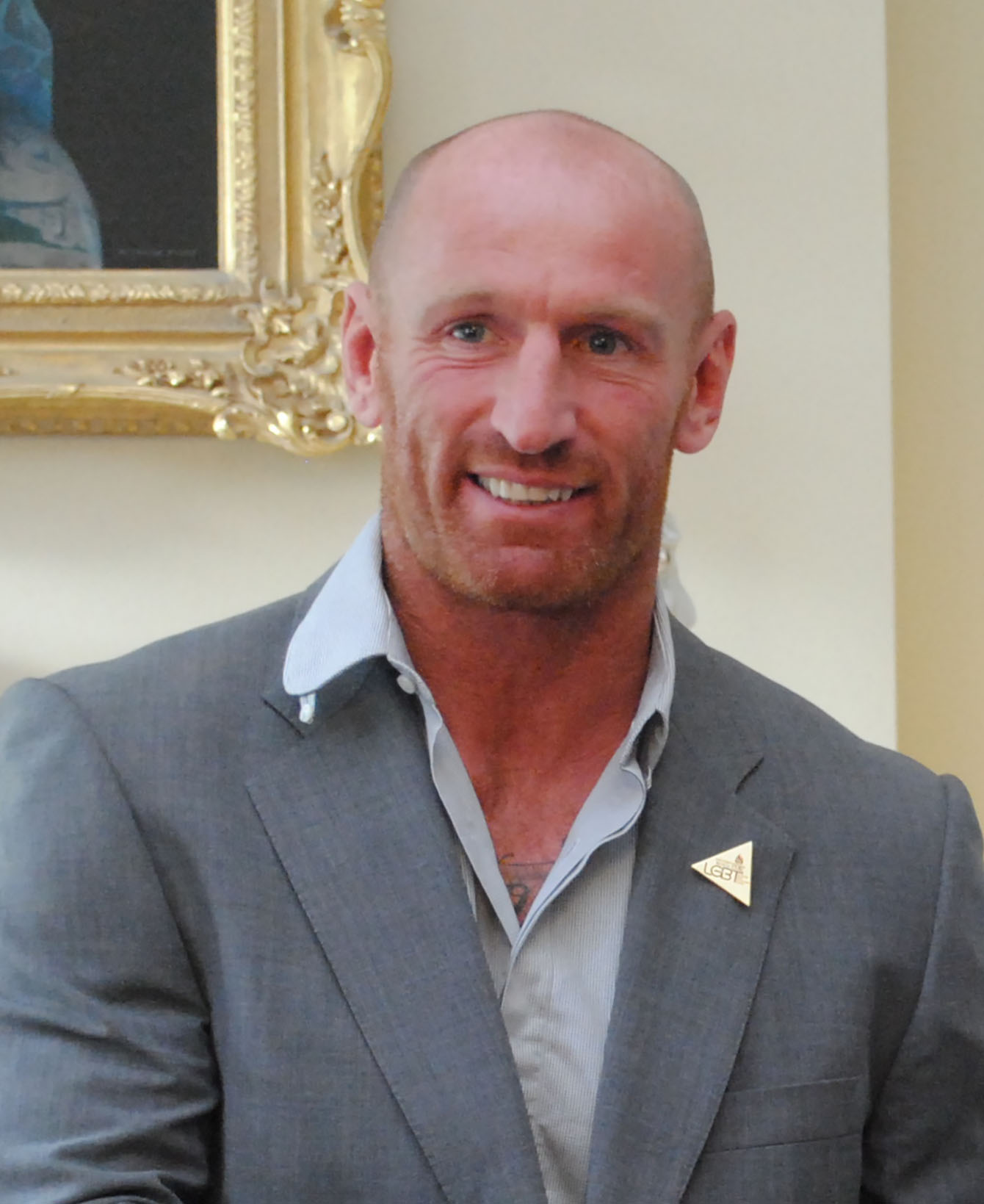
Gareth Thomas at an LGBT reception in 2011, launching a campaign against homophobia and transphobia in sport. Photo: UK Home Office / Wikimedia Commons, CC BY 2.5.
In December 2009, Welsh rugby legend and former Wales and British & Irish Lions captain Gareth Thomas publicly came out as gay.
He was still playing professional rugby, very much under the spotlight, and had previously been married to a woman between 2001 and 2006.
For years, Thomas had tried to keep his sexuality separate from that world.
He later described the pressure of hiding it as overwhelming. Before speaking publicly, he had already opened up to people close to him and some teammates — and discovered that several of the reactions he had feared were far less dramatic than he had imagined.
When he eventually came out publicly, Thomas said part of his motivation was simple: he did not want the next young gay person dreaming of playing rugby to feel quite so alone.
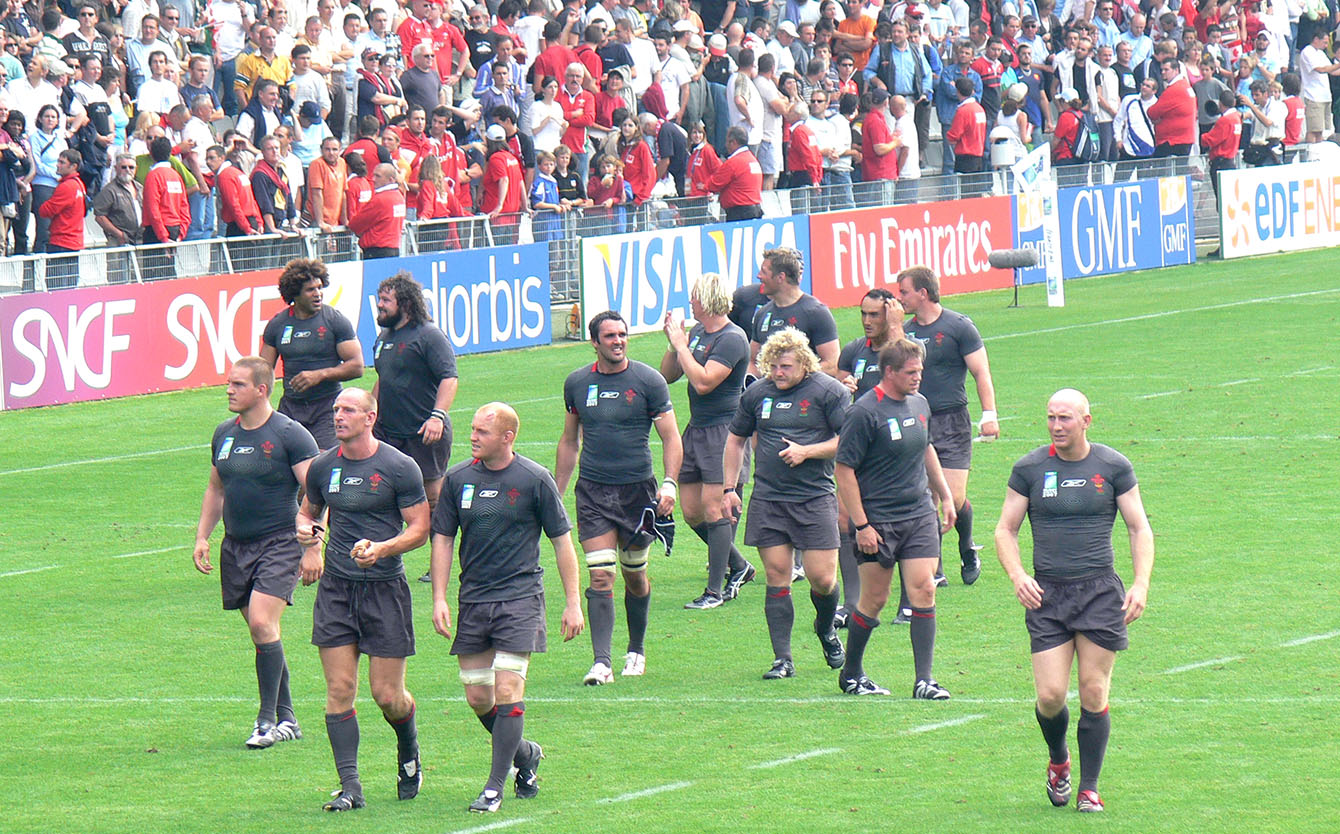
Gareth Thomas (left) with the Wales team at the 2007 Rugby World Cup. Photo: Manuel / Wikimedia Commons, CC BY-SA 2.0.
His story matters because he came out while still one of rugby’s biggest active names, challenging a major taboo in a sport deeply tied to traditional ideas of masculinity.
Thomas had already proved himself on the pitch countless times. Yet saying I am gay still required a completely different kind of courage.
And perhaps that was part of what made his coming out so visible.
The huge rugby player who had captained his country did not suddenly become less masculine when people learned he was gay.
Your Choice, Your Timing
Three coming outs. Three very different relationships with choice, visibility and control.
Being open about who you are can bring relief, freedom and a different kind of closeness with the people around you. But coming out is not a finish line every LGBTQ+ person is expected to cross.
Real life is much less tidy.
You can be out to your friends and not your family. Out at home and not at work. Out in Amsterdam and not when you visit your hometown. You might announce it to everyone, tell people one by one, or decide that certain people simply do not need to know.
What matters is that the choice is yours — made when you feel comfortable, ready and safe.
For us at ROMEO, Coming Out Day is about celebrating honesty and visibility without demanding either from anyone.
It is about making a world in which more people can, if and when they want to.
We hope everyone gets to live openly with the people they love. But how, when and to whom you tell your story should always remain up to you.
Your sexuality belongs to you.
So does your story.