
For Western audiences, Japan offers a fascinatingly different perspective. Despite its historically patriarchal society, Japanese visual culture has a long and sometimes surprisingly open history of representing male beauty, intimacy and sexuality.
So where did manga come from — and when did it get gay?
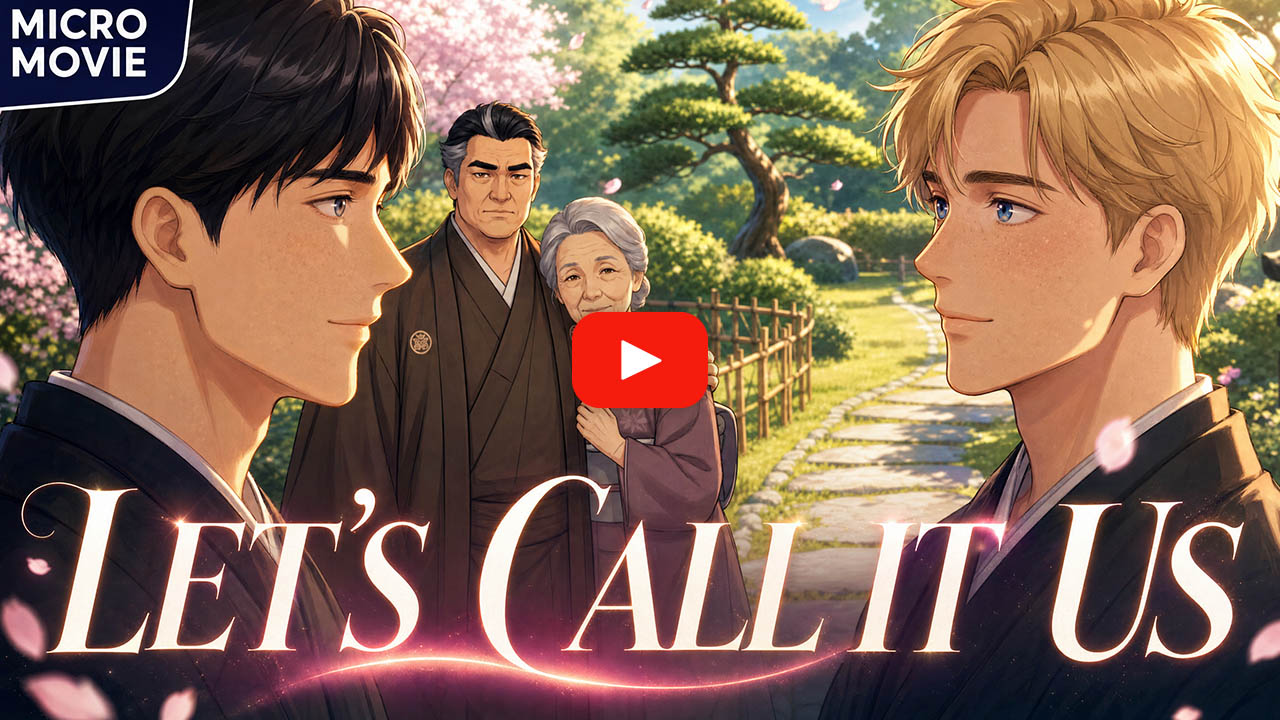
There are never enough gay stories — stories about love, desire, finding your people or simply fantasising about a very handsome man. That’s why we had some fun with manga ourselves.
Before Manga: A Much Older Story
During the Edo period (1603 to 1868) , illustrated books and woodblock prints became enormously popular. Artists depicted everyday life, actors, warriors, humour, fantasy — and sex.
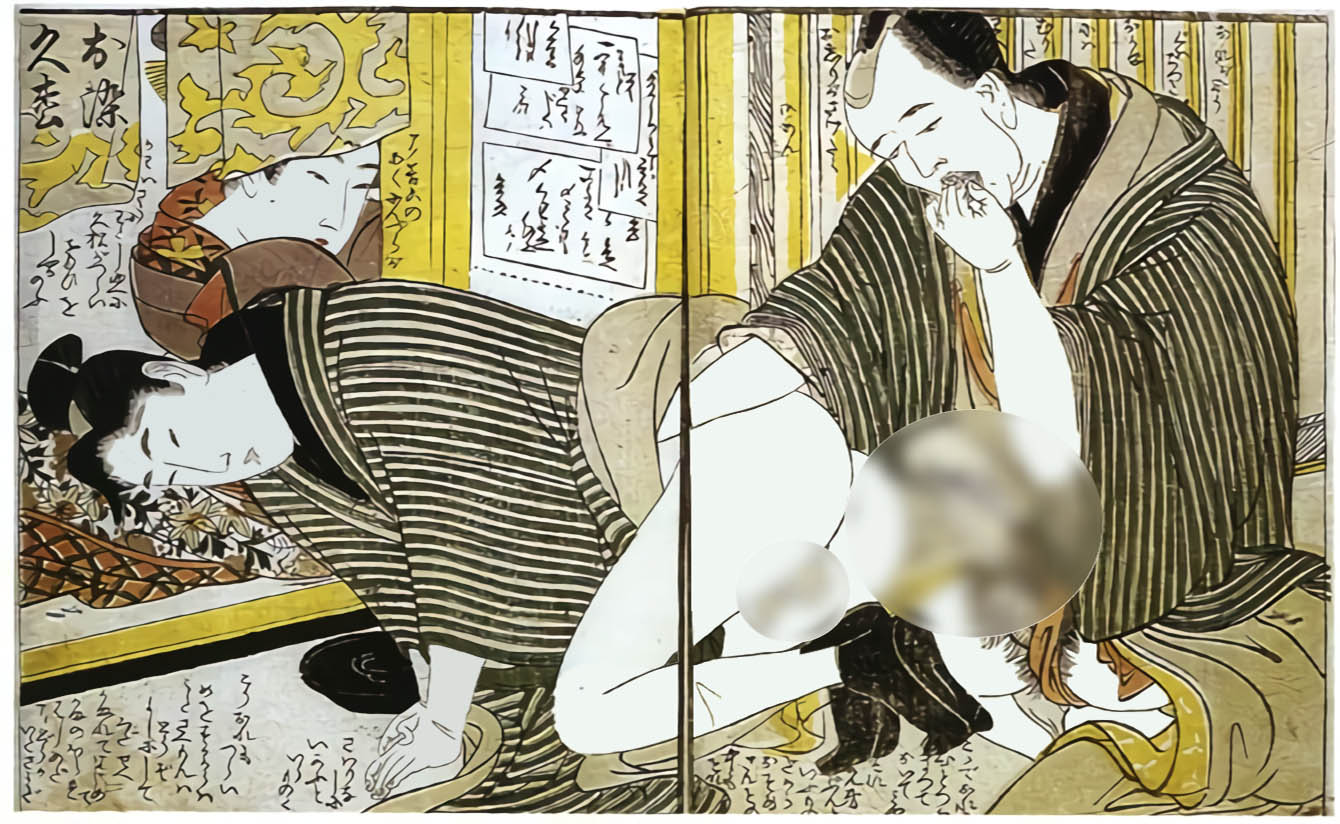
Erotic prints called shunga sometimes included male-male encounters connected to historical traditions of nanshoku, or male-male eroticism. (Kitagawa Utamaro, Client Lubricating a Male Prostitute, c. 1790)
Calling the people depicted in them “gay” would be historically misleading: sexuality wasn’t understood through today’s identity categories. But these images nevertheless show that male desire appeared in Japanese visual culture centuries before modern gay manga.
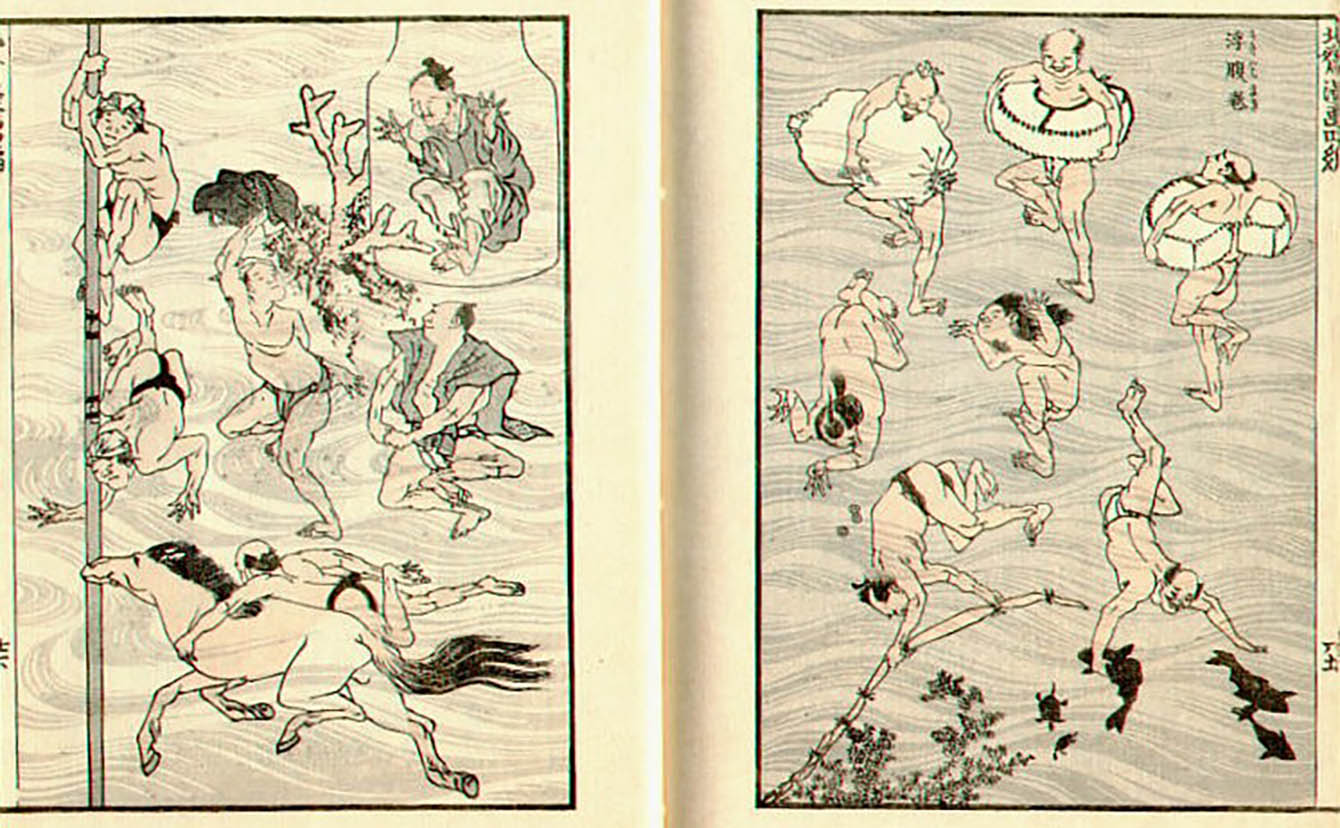
Even the word manga is old. Katsushika Hokusai used it for his famous Hokusai Manga, collections of sketches first published in 1814. (Katsushika Hokusai, Hokusai Manga, vol. 4, double page showing bathing and diving people)
Modern manga emerged much later, particularly during the 20th century. After the Second World War, artists such as Osamu Tezuka helped transform it into an extraordinarily versatile storytelling medium for children and adults alike.
When Manga Got Gay
Gay stories in manga developed along two rather different paths.
One came largely from women creating stories about relationships between men for female readers. During the 1970s, pioneering artists such as Moto Hagio and Keiko Takemiya helped establish a tradition that eventually developed into Boys’ Love, or BL.
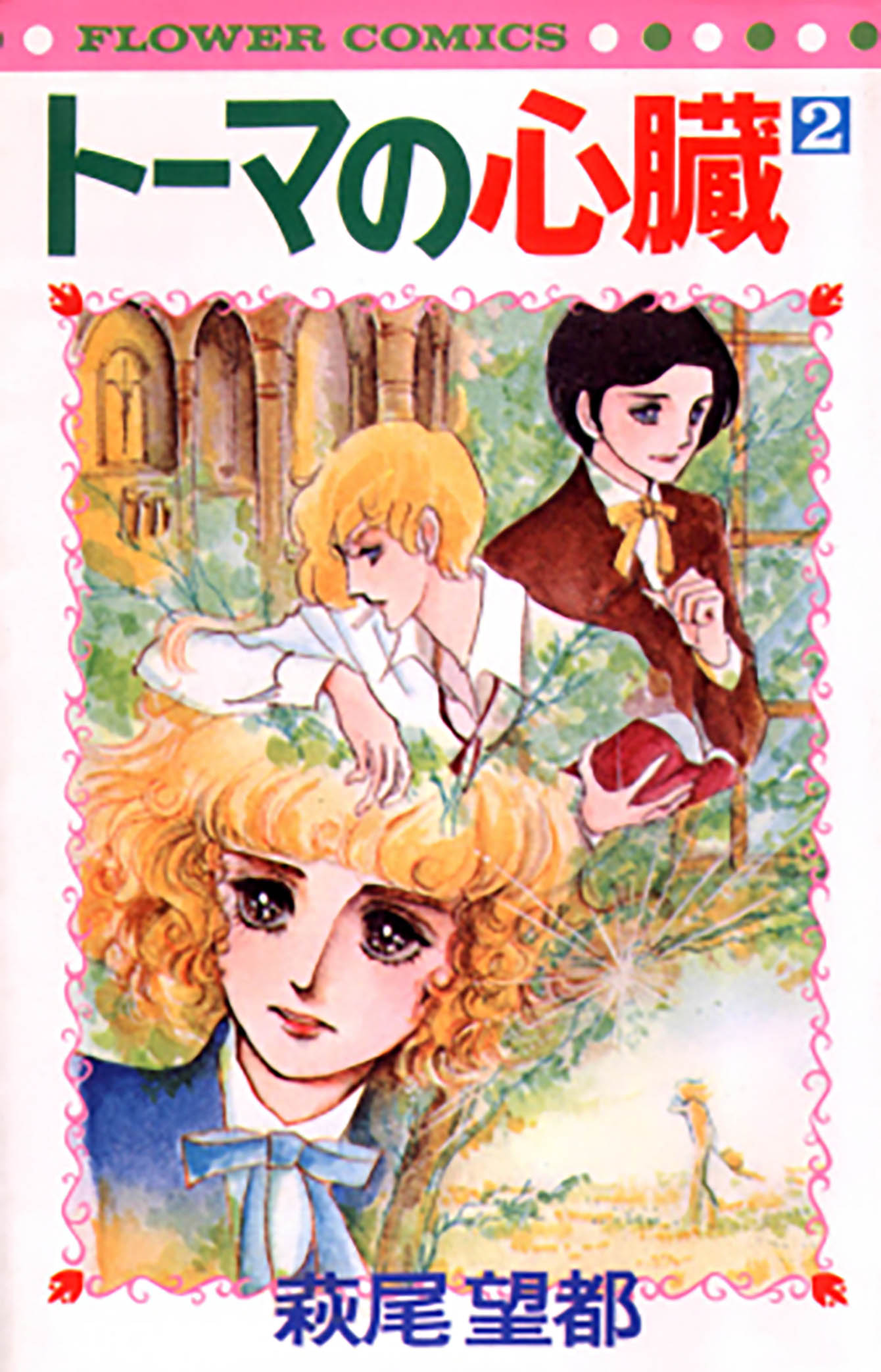
Cover of Moto Hagio’s The Heart of Thomas, vol. 2, 1975, artwork by Moto Hagio. Image rights belong to the respective rights holders.
BL often presented beautiful, slender and emotionally intense young men and became enormously popular in Japan and internationally.
But gay men were developing another visual culture.
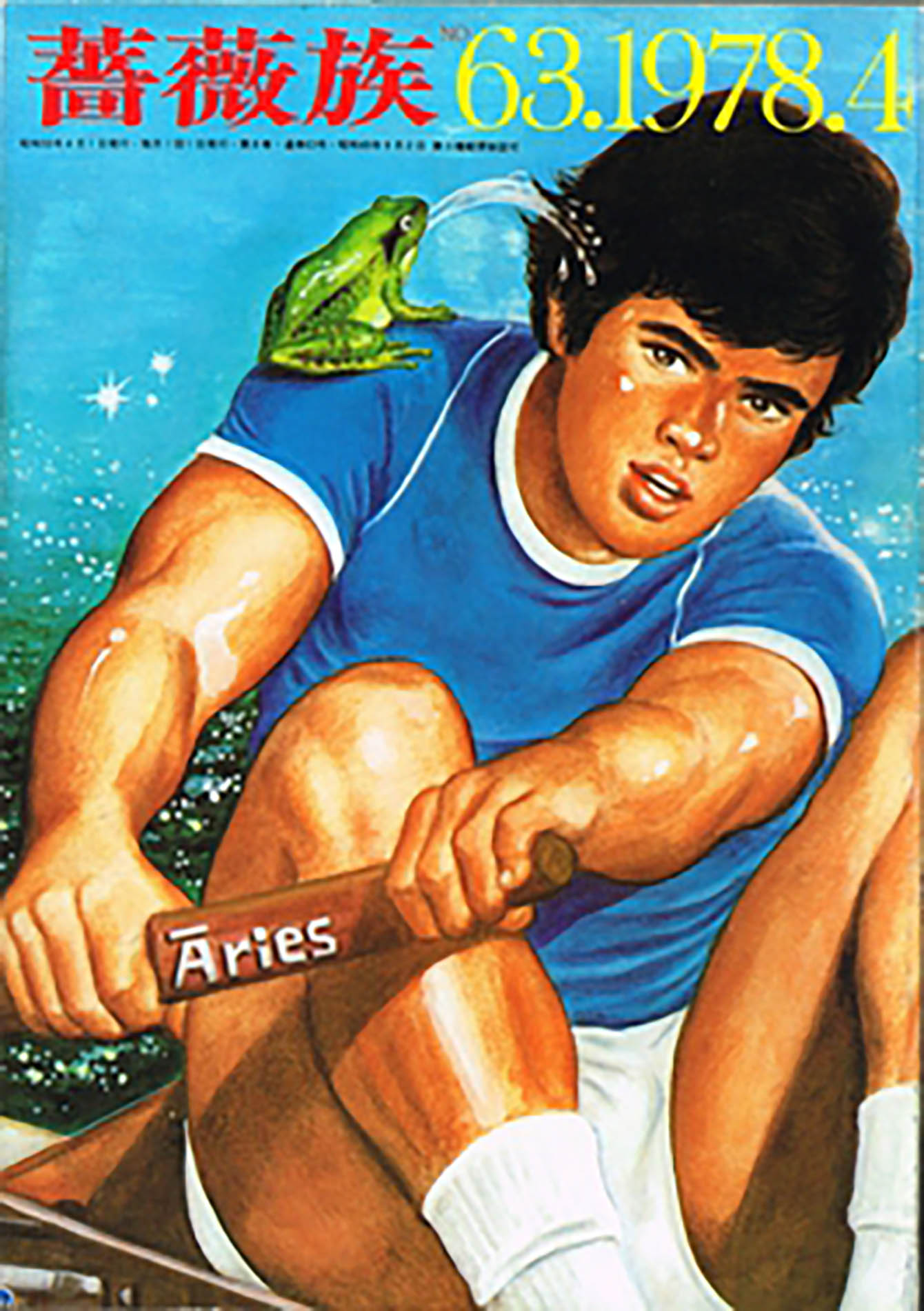
Cover of Barazoku, no. 63, April 1978. Image rights belong to the respective rights holders.
Gay magazines such as Barazoku, launched in 1971, created spaces for stories and erotic artwork made for gay male audiences. And their men often looked rather different: muscular, hairy, stocky, older and proudly masculine.
Outside Japan, this is frequently called “bara manga,” although bara isn’t the universal Japanese genre label that Western audiences sometimes imagine it to be. Gay manga or gei manga can be more accurate.
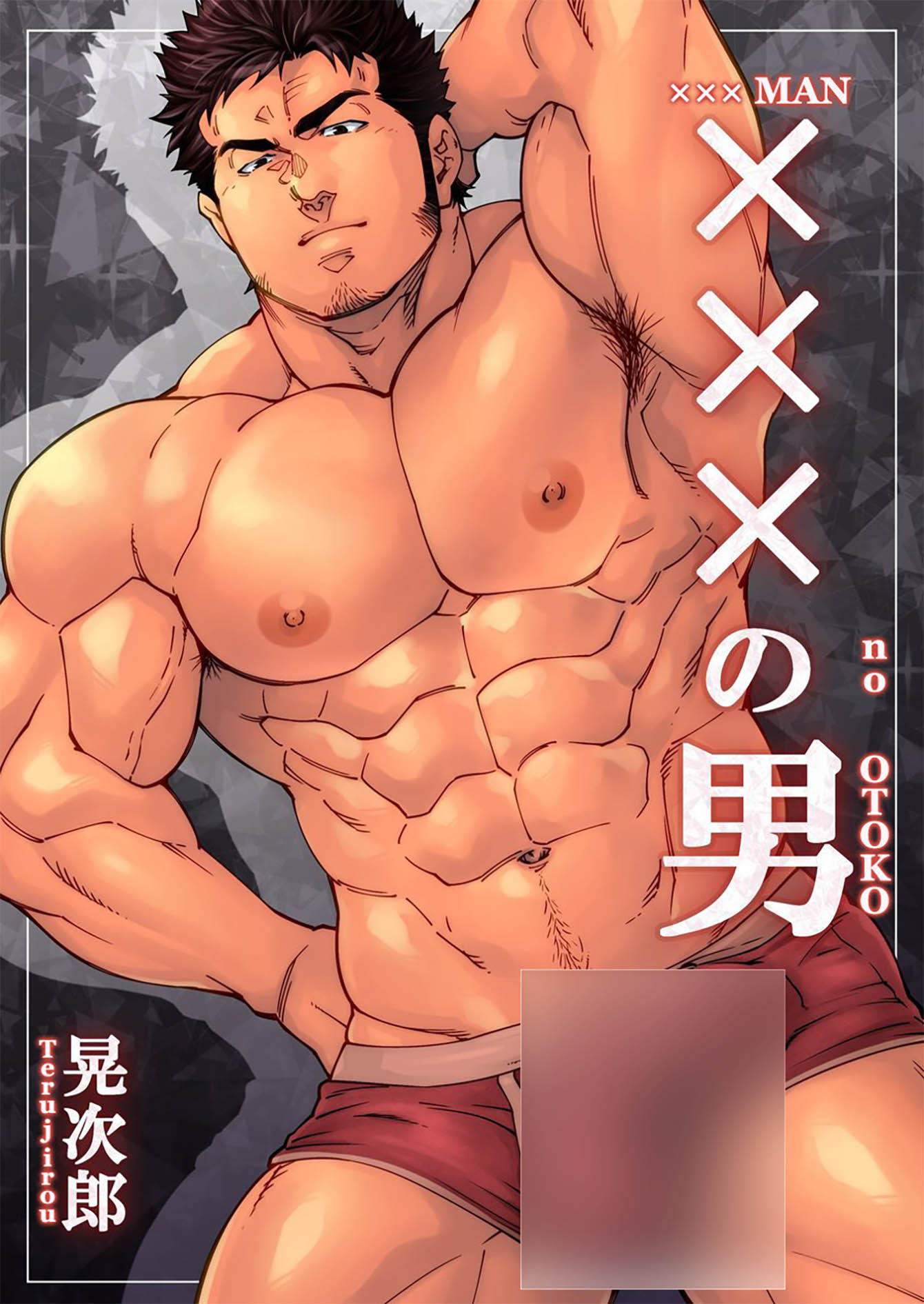
Terujirou, XXX Man: Case 3 – Delivery Uniform Man. Image rights belong to the respective rights holders.
The important point is that BL and gay men’s manga came from different communities and different gazes. One imagined relationships between men largely for female audiences; the other increasingly allowed gay men to draw their own desires.
And that brings us to one very important artist.
Gengoroh Tagame: When Gay Men Draw Gay Men
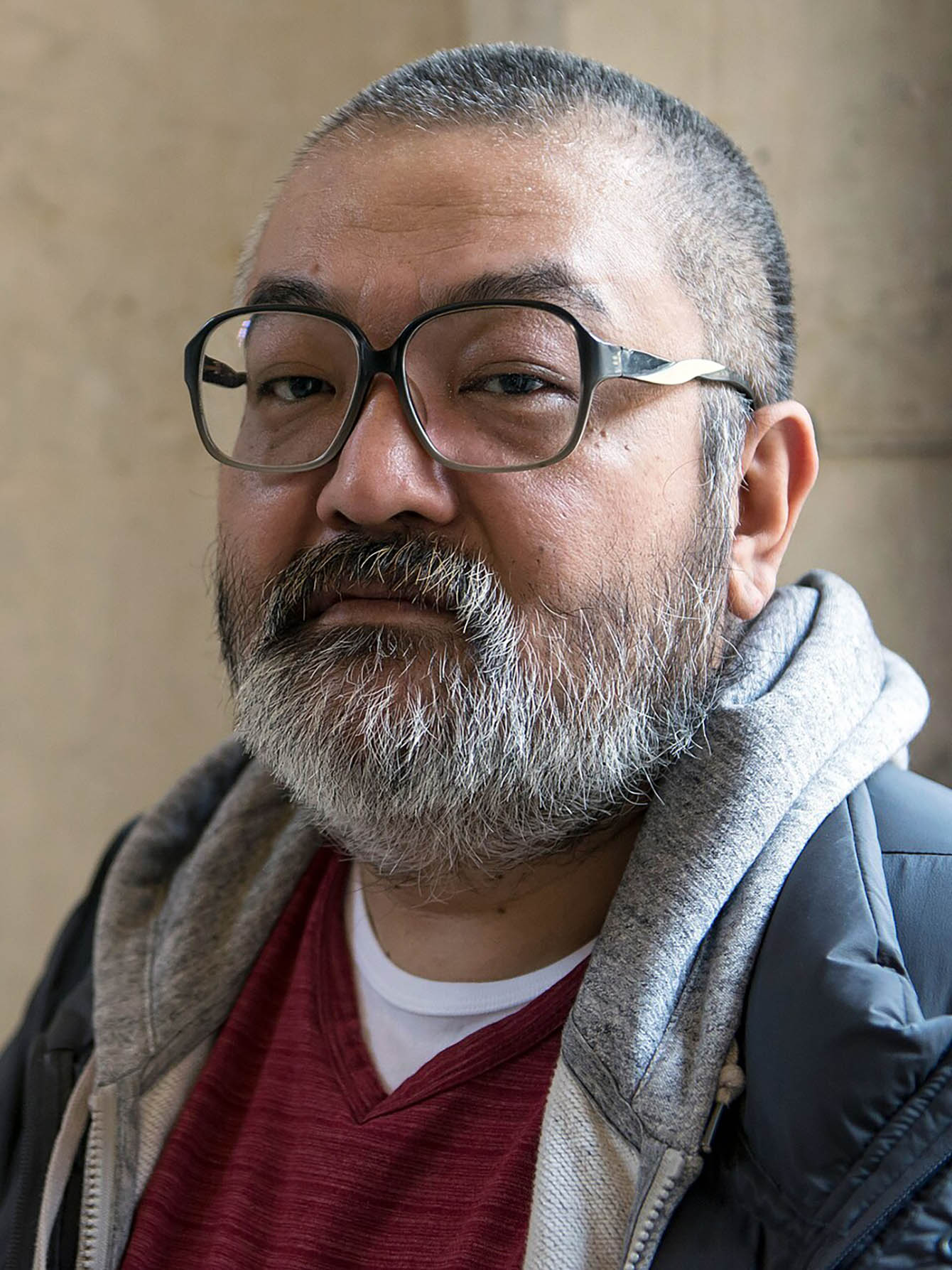
Gengoroh Tagame, 2017. (Photo: Selbymay / CC BY-SA 4.0)
Gengoroh Tagame began publishing gay erotic manga in the 1980s and became one of Japan’s best-known gay manga artists internationally.
His men are difficult to miss: enormous bodies, broad chests, body hair, uniforms and exaggerated masculinity. His adult work explores BDSM, dominance, vulnerability and sexual fantasy — sometimes in deliberately extreme ways.
But Tagame later showed another side of his storytelling.
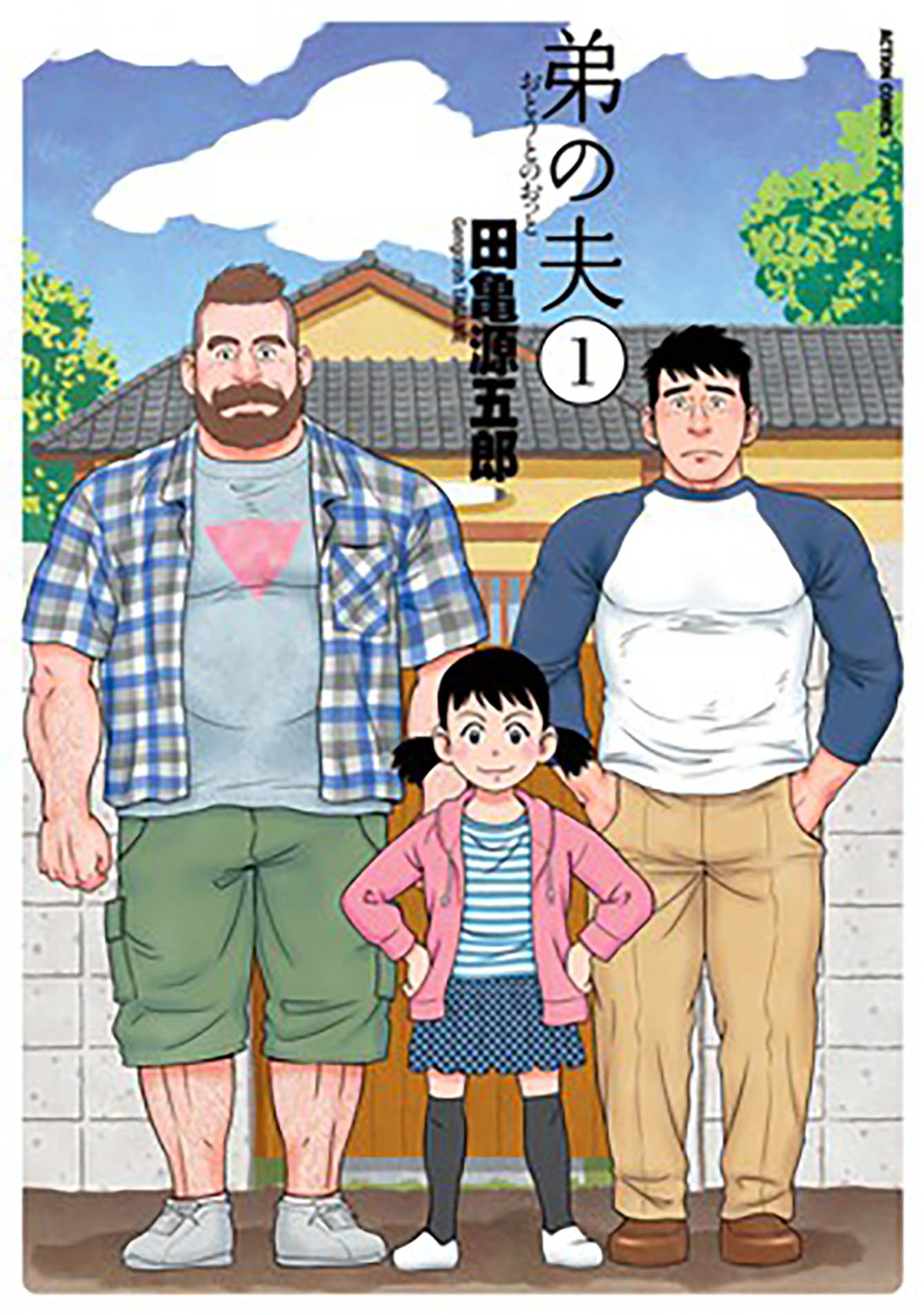
His My Brother’s Husband (2014), tells the story of a Japanese single father confronted with his own assumptions when his deceased twin brother’s Canadian husband comes to visit. (Image rights belong to the respective rights holders)
It’s a warm family story about grief, prejudice, same-sex marriage and everyday homophobia — worlds away from Tagame’s explicit erotic work.
For manga fans wanting to explore further, Tagame provides a perfect starting point. From there, go backwards to Hokusai, discover Moto Hagio and Keiko Takemiya and the roots of Boys’ Love, or explore Barazoku and Japan’s post-war gay visual culture.
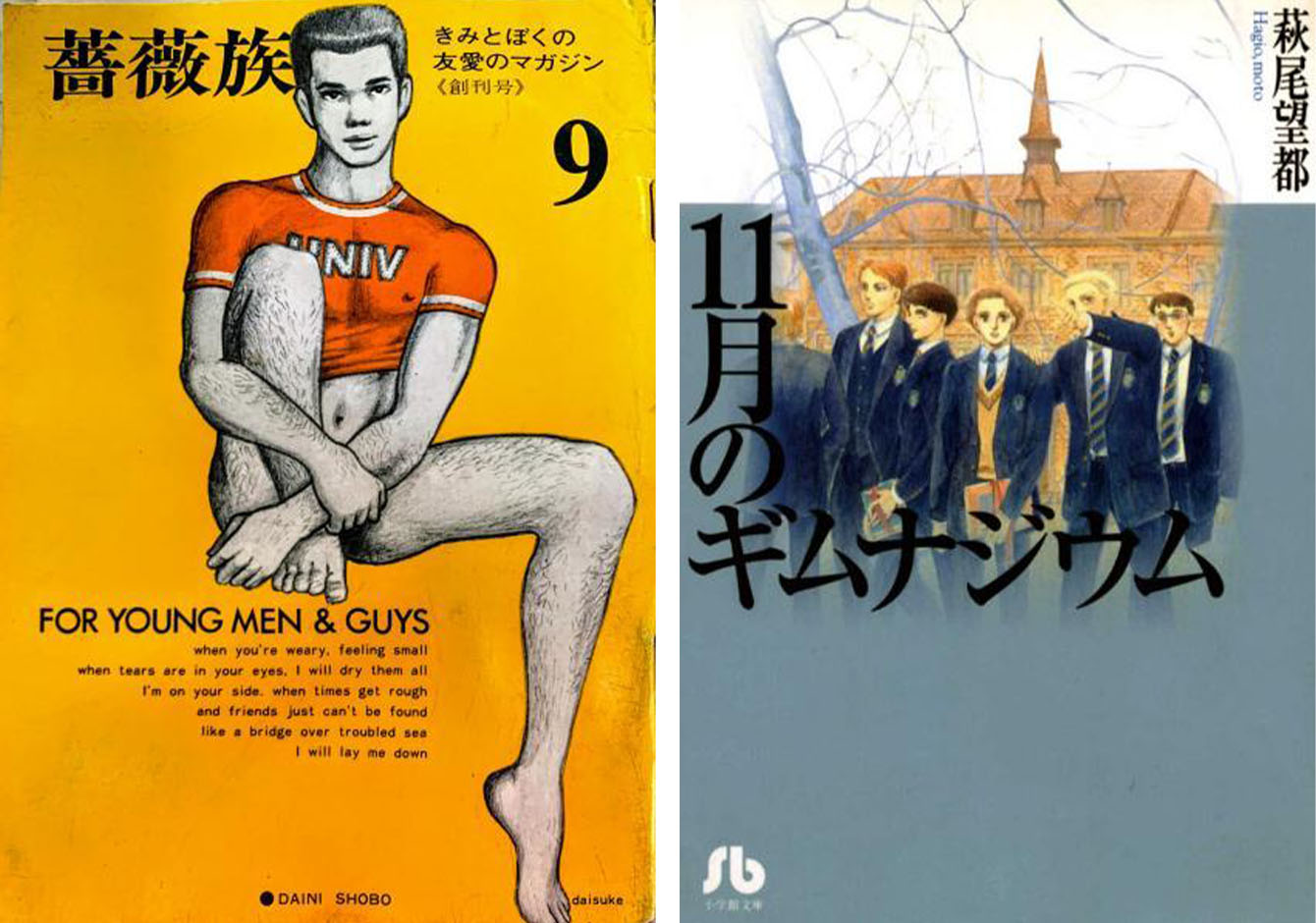
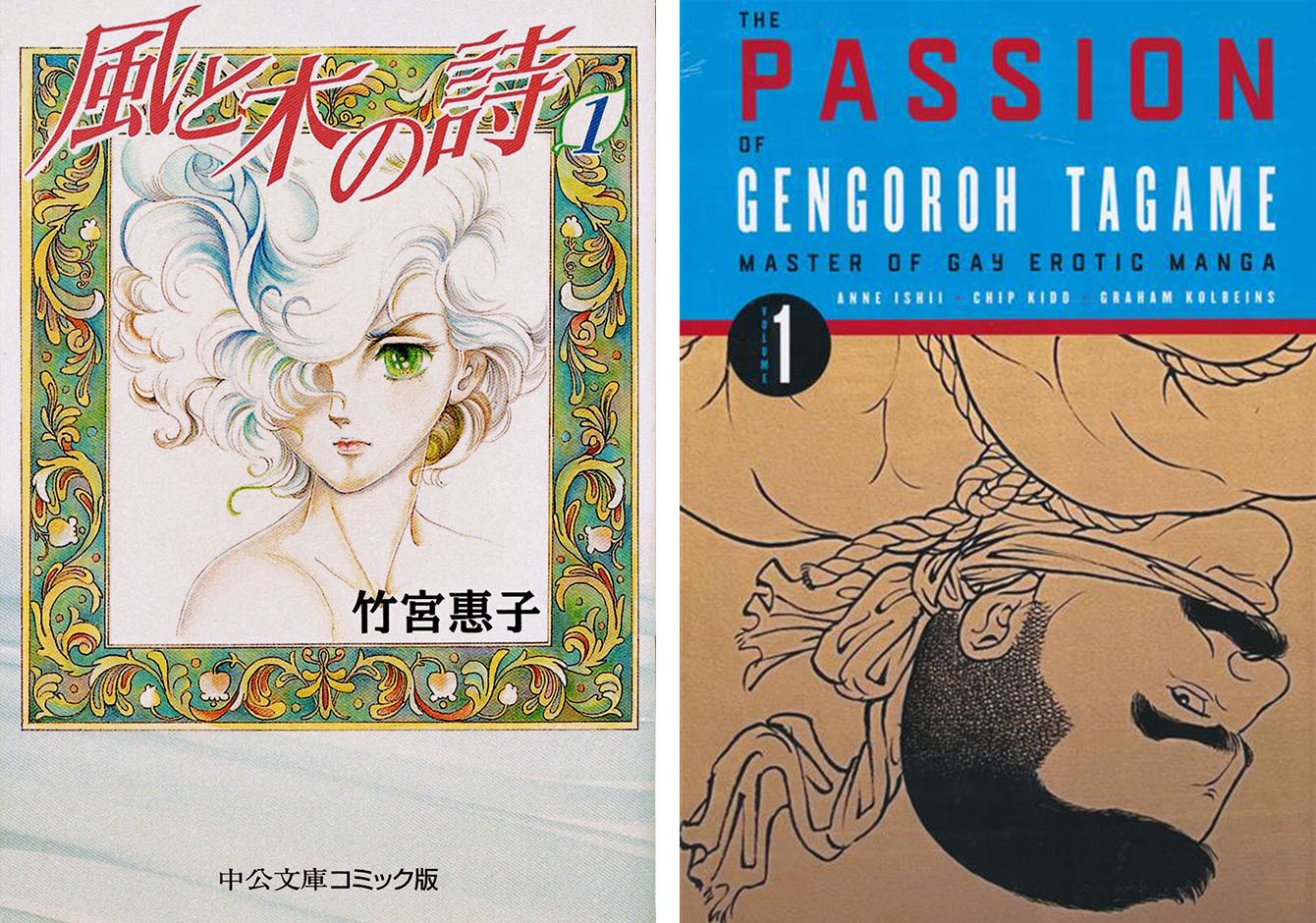
From left to right, top to bottom: artworks from Barazoku’s inaugural issue (1971), cover illustration by Ryu Fujita; The November Gymnasium (1995 edition) by Moto Hagio; Kaze to Ki no Uta, Vol. 1 (2002 edition) by Keiko Takemiya; and The Passion of Gengoroh Tagame: Master of Gay Erotic Manga, Vol. 1 (2022 reissue) by Gengoroh Tagame. Image rights belong to the respective artists and rights holders.
Manga Isn’t Just for Kids
In the West, comics can still feel connected to childhood. Manga makes that idea look rather quaint. In Japan, manga has long covered almost everything: romance, history, politics, cooking, sport, horror, family life — and very explicit sex.
That enormous range also created space for different ways of depicting gay men: from romantic BL pretty boys to bears, muscular fantasies and complicated stories about ordinary gay lives.
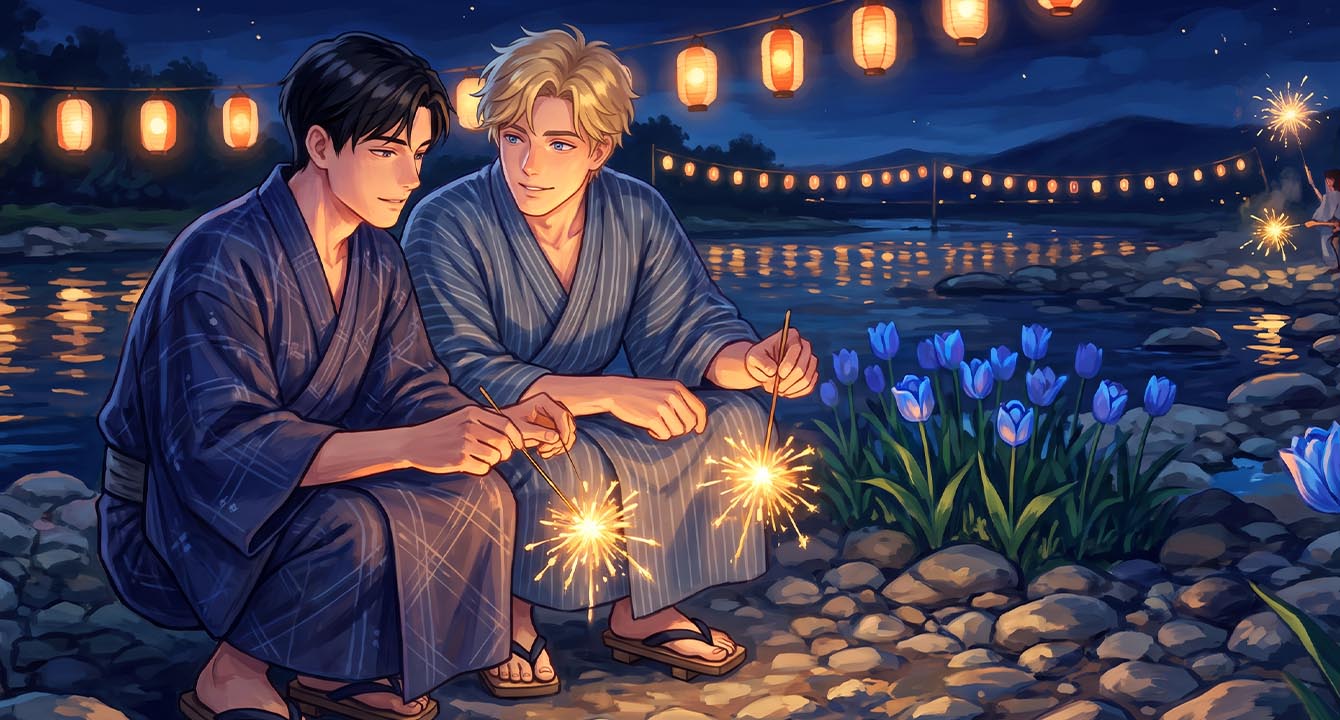
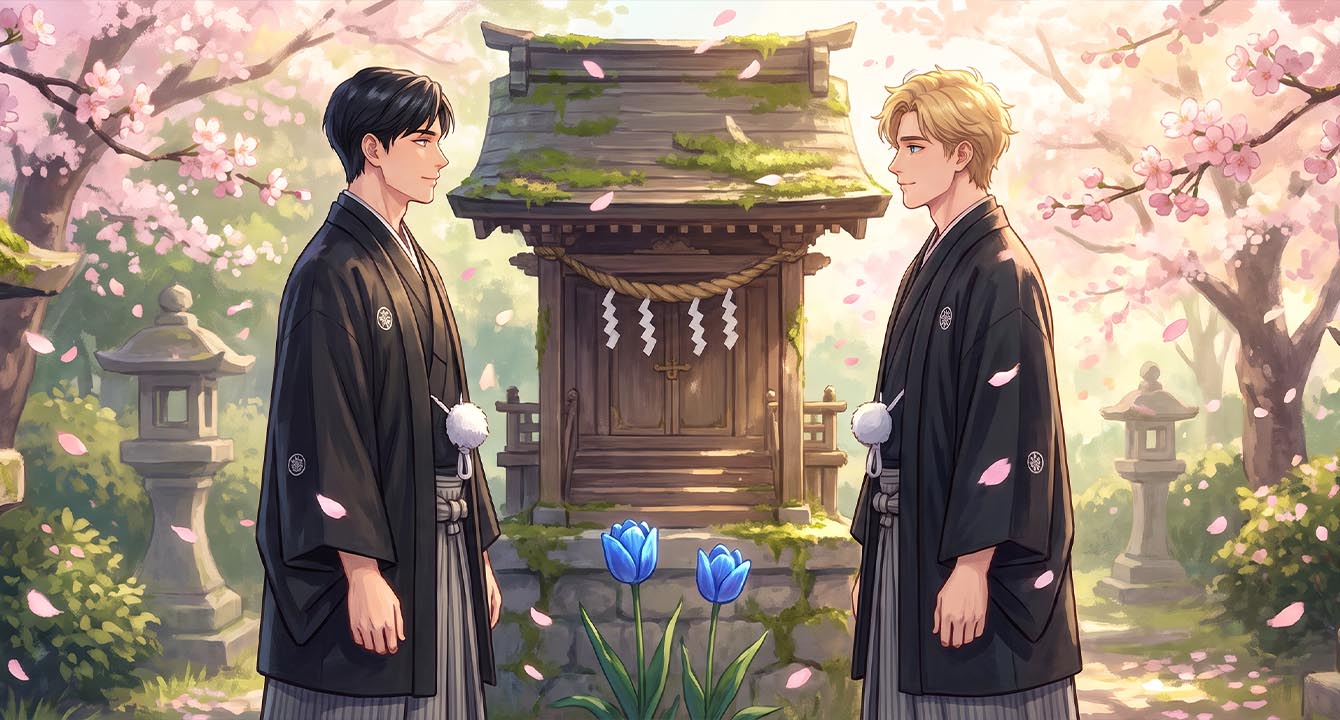
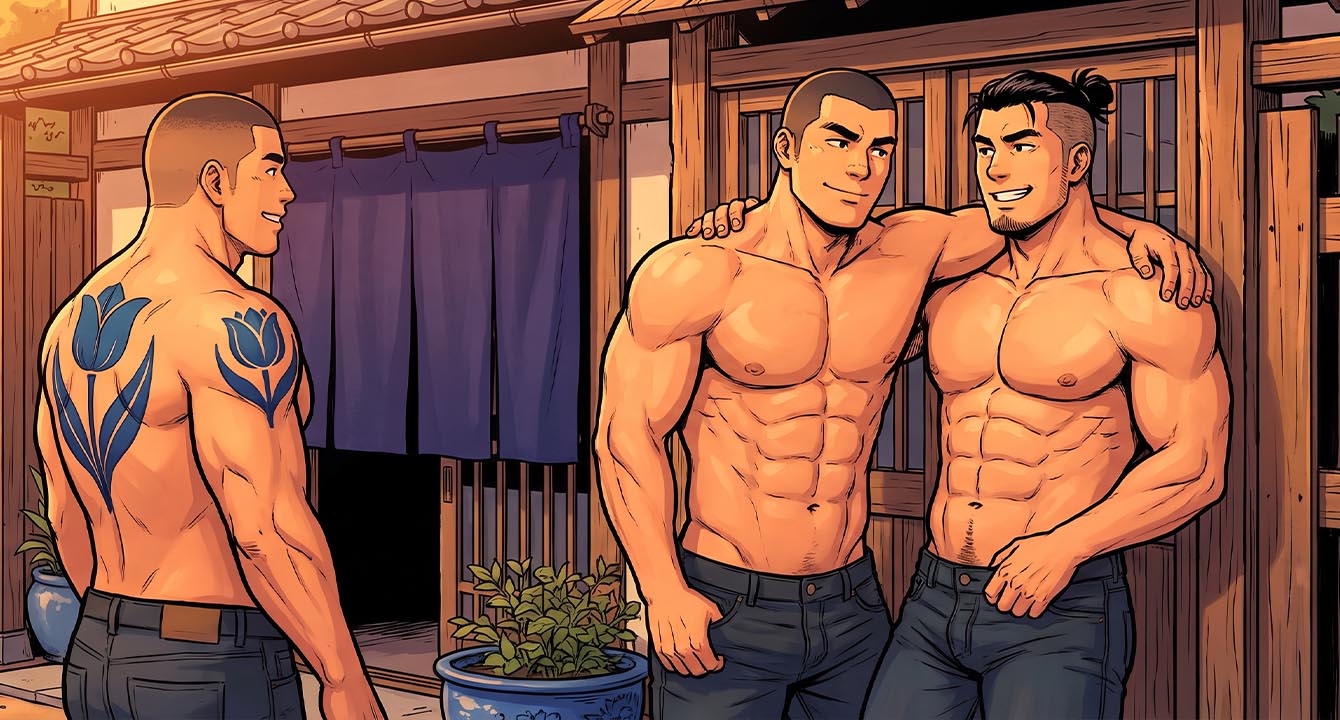
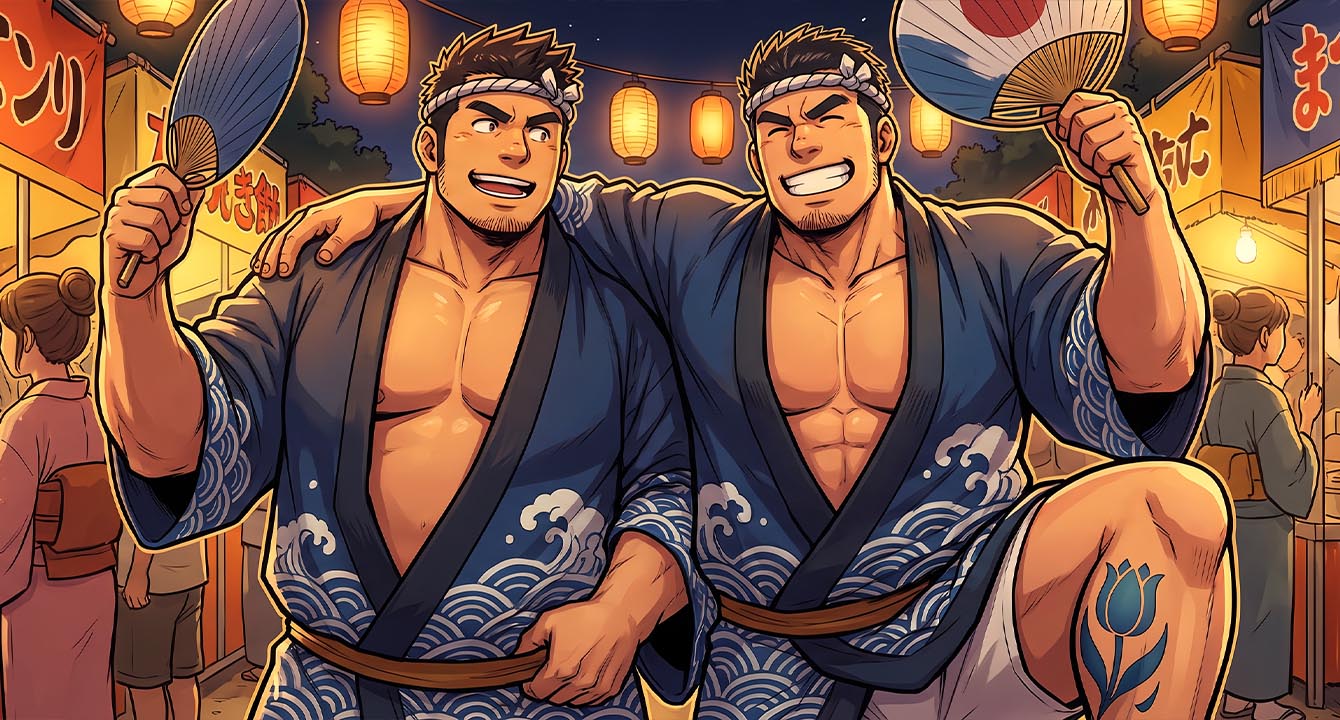


And perhaps that’s the most interesting thing about looking at manga from a gay perspective. It lets us see male beauty, love and sexuality through another cultural lens.
Today manga is no longer simply Japanese. It has become a global visual language.
And we can always use one more gay story.