
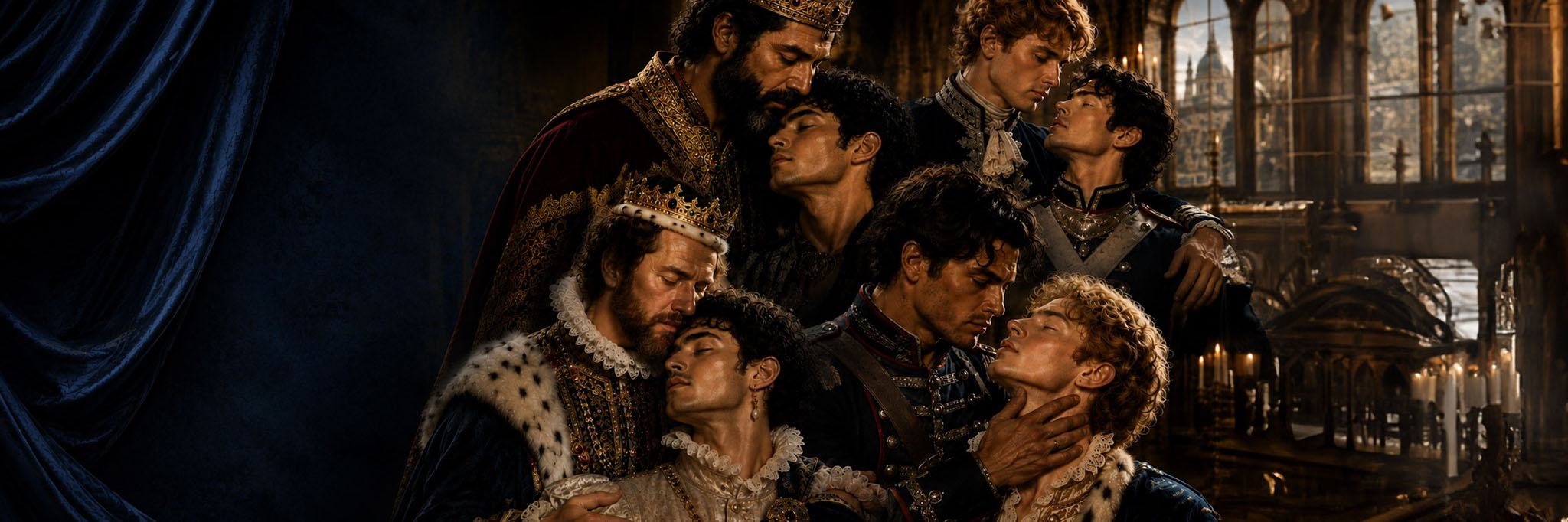

It’s the summer news hole. Everyone is on holiday, nothing much is happening, and we were wondering: what should we write about?
Well, since we all love a little good gossip, we thought: how about the world’s eligible young princes and noblemen? Surely somewhere out there must be a handsome, single gay prince waiting for his Romeo.

King Kashyapa wasn’t gay, and we took a few liberties with history — but if you’re a fan of a good royal romance, we think you’ll enjoy our version.
Apparently, next to professional football, royalty remains one of the last great closets. Plenty of princes, plenty of palaces, but surprisingly few rainbow flags flying from the balcony.
So forget today’s eligible princes for a moment and let’s meet some of history’s most fascinating gay kings.
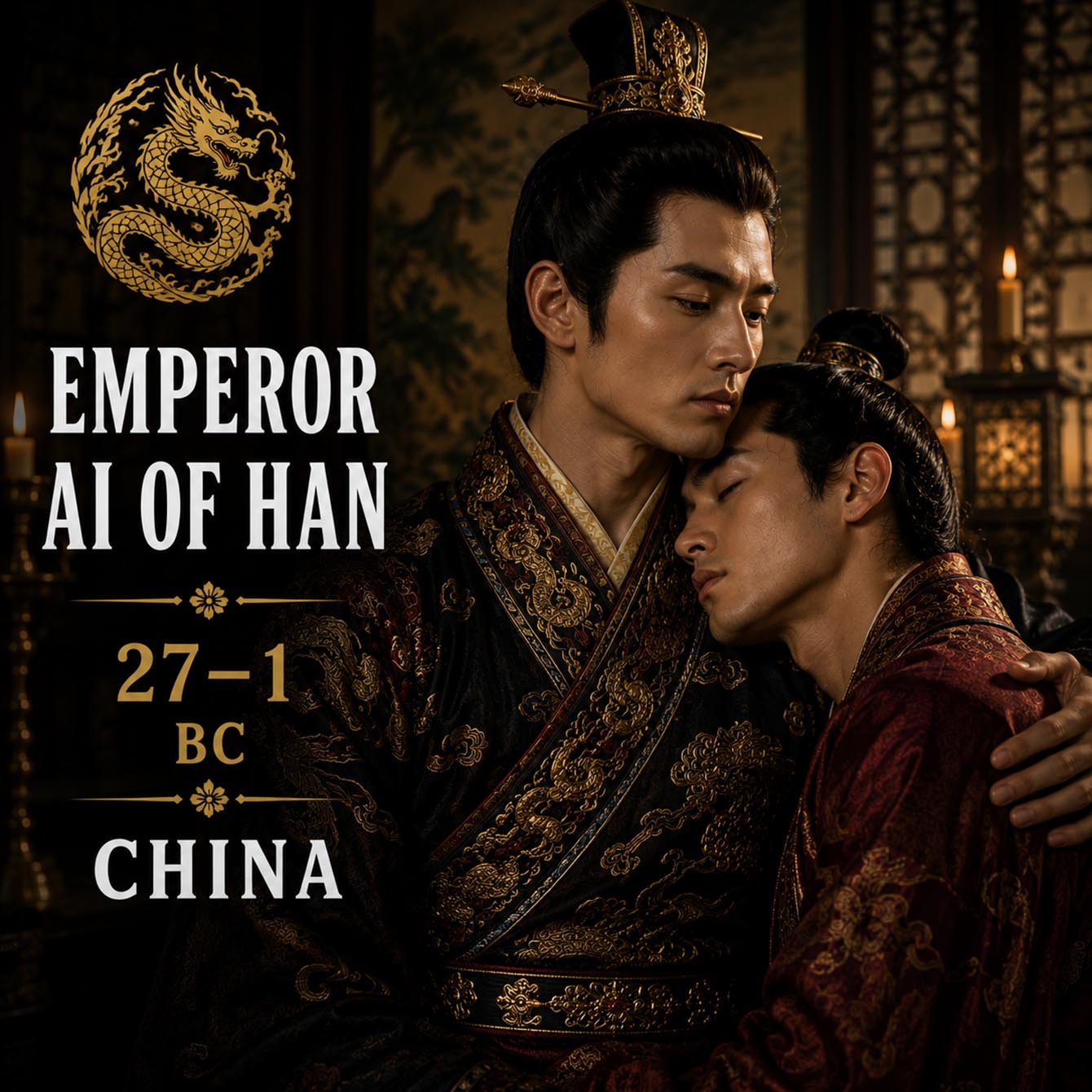
Emperor Ai of Han: The Cut Sleeve
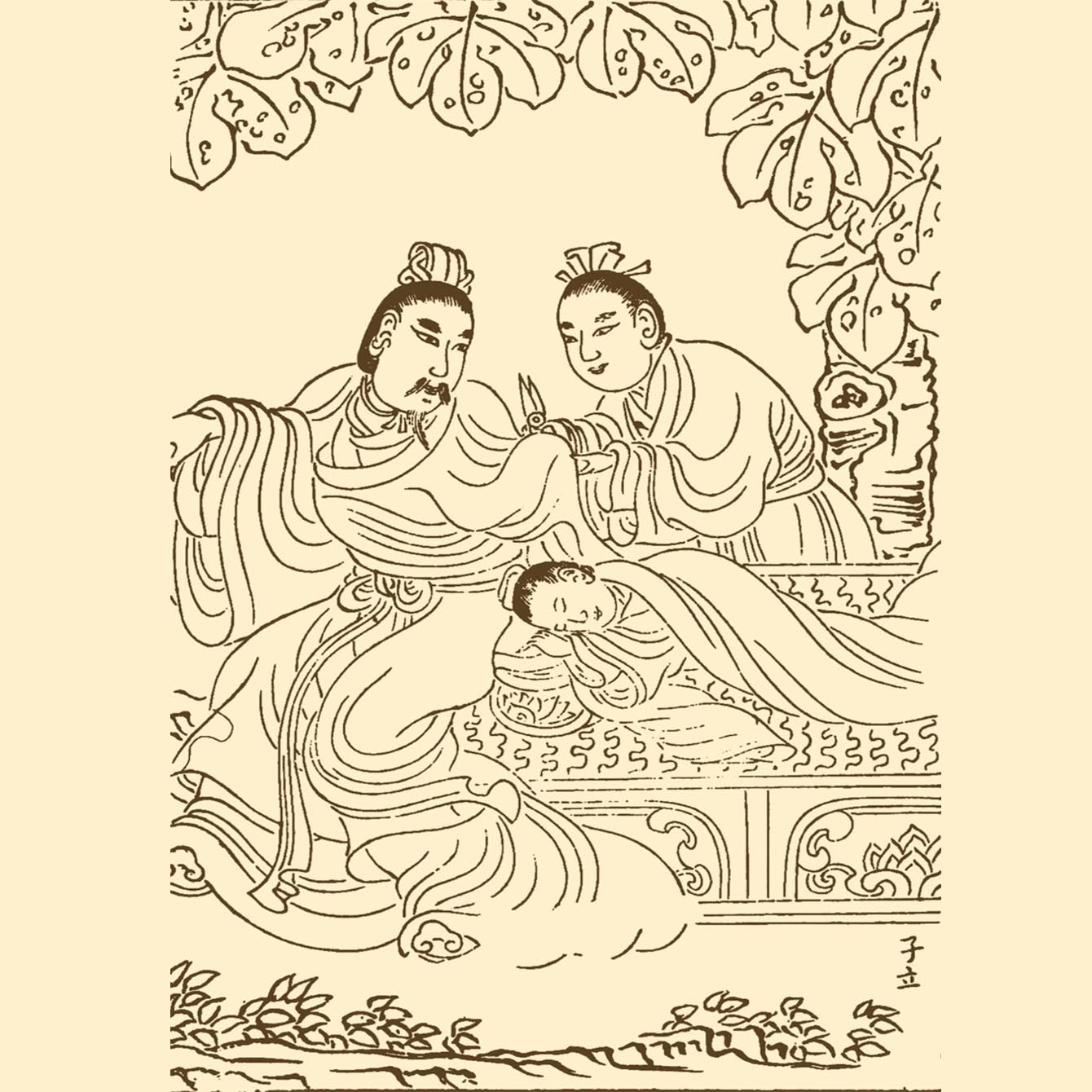
Emperor Ai of Han cutting his sleeve rather than waking his sleeping lover, Dong Xian. Illustration by Chen Hongshou, 1651.
Emperor Ai ruled China during the Han dynasty and became famous for his love for the young courtier Dong Xian, whom he quickly promoted to one of the most powerful men in the empire.
The most famous story tells how Dong once fell asleep on the emperor’s sleeve. Rather than wake him, Ai took a knife and cut off his own sleeve. The story became so famous that “the passion of the cut sleeve” became a Chinese expression for love between men.
When Ai suddenly died at only 25, Dong lost his protector, was stripped of his positions and committed suicide shortly afterwards.
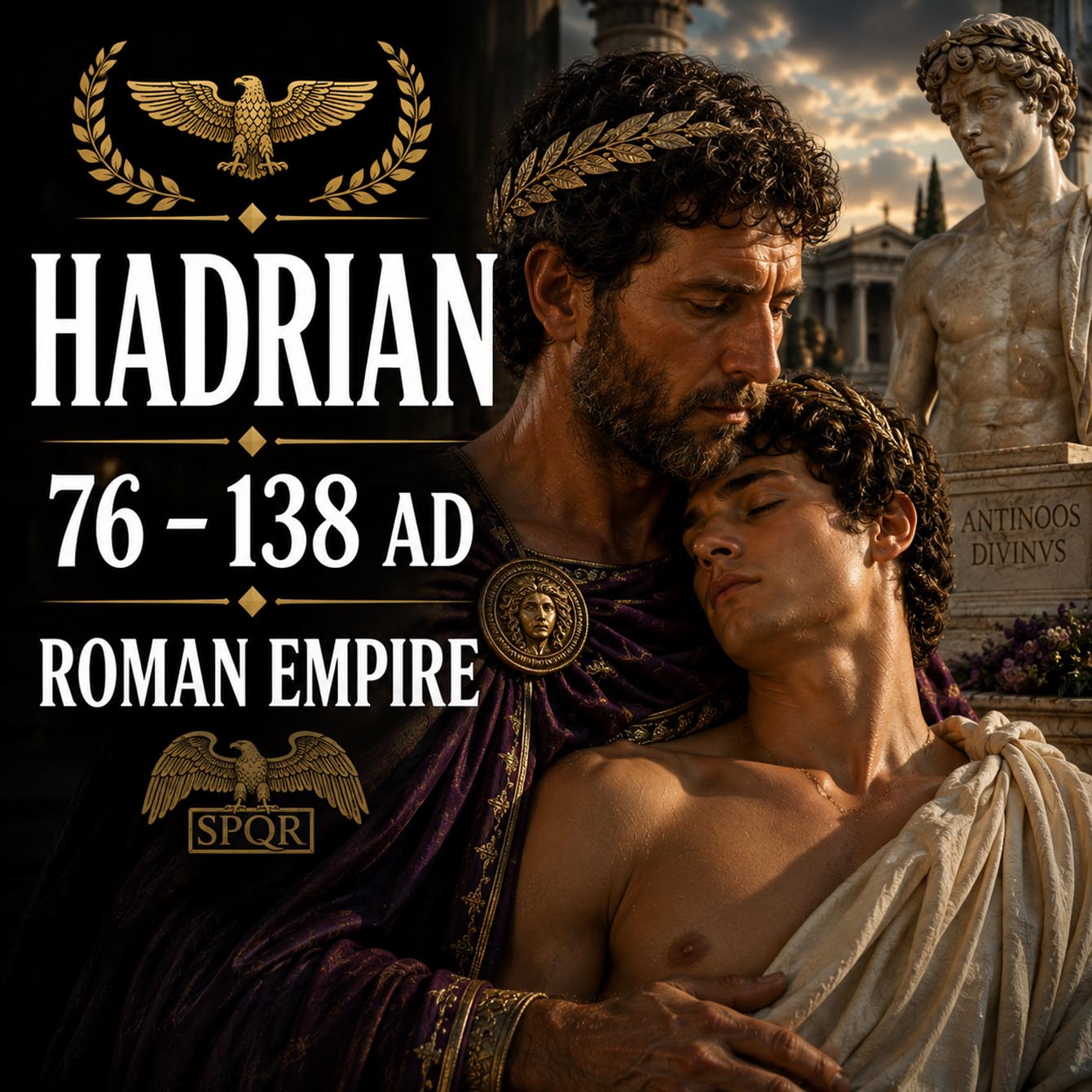
Emperor Hadrian: The Lover Who Became a God
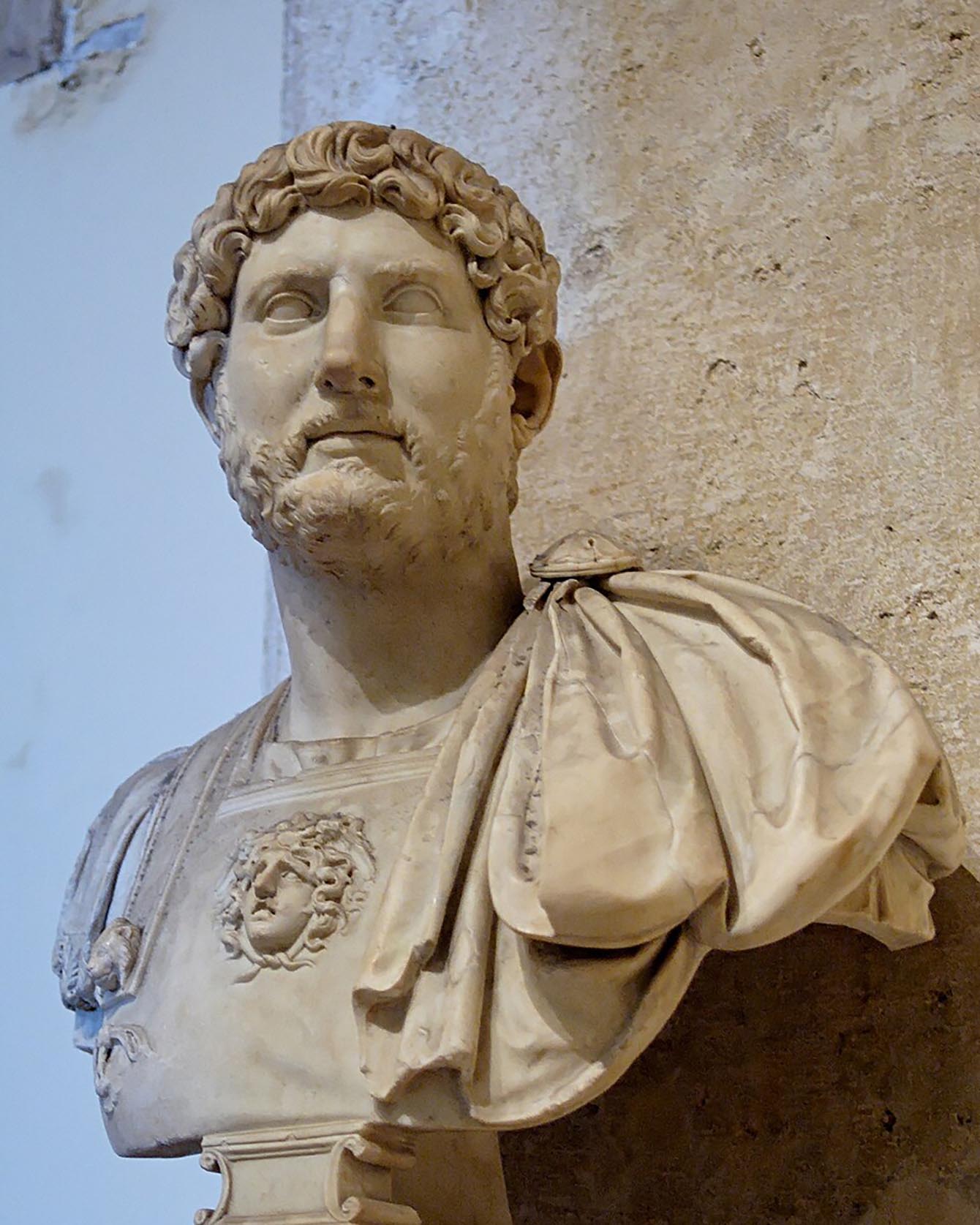
Marble bust of Emperor Hadrian at the Capitoline Museums in Rome, 117-138 CE.
Hadrian was one of Rome’s most powerful emperors, but his relationship with the young Greek Antinous became one of the most famous parts of his life. Antinous accompanied the emperor on his travels throughout the empire.
In 130, Antinous mysteriously drowned in the Nile at around 20 years old. A devastated Hadrian had him declared a god, founded the city of Antinoöpolis in his honor and commissioned statues of him throughout the empire.
Hundreds of representations of Antinous survive, making Hadrian’s lover one of the most recognizable faces of the ancient world.
Edward II: The King Who Couldn’t Give Him Up

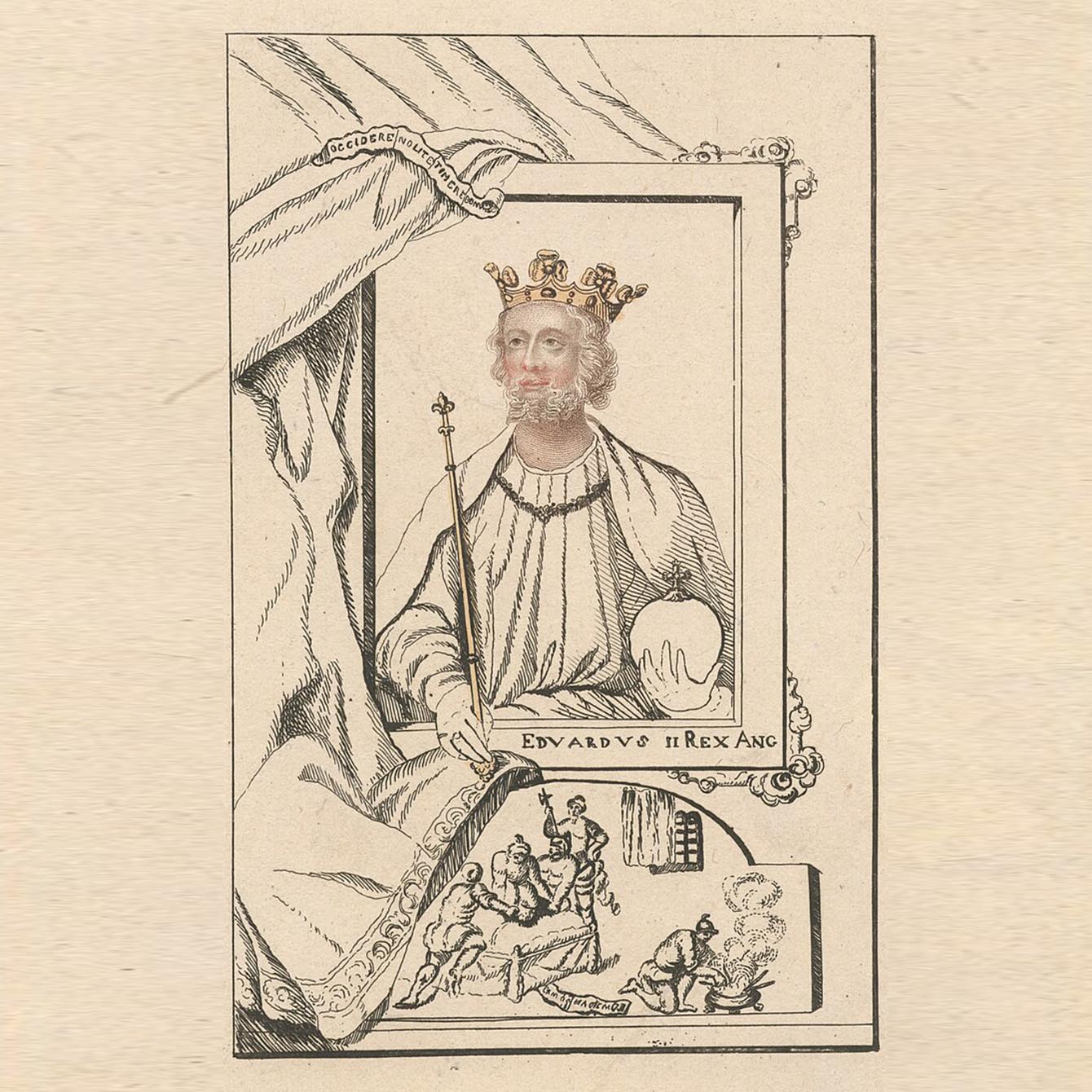
Portrait of King Edward II of England, 1817
Edward II’s intense relationship with Piers Gaveston became one of the great scandals of medieval England. Edward showered Gaveston with titles, wealth and influence, infuriating England’s powerful nobles.
They repeatedly forced Edward to exile Gaveston. Edward repeatedly brought him back.
Eventually, the nobles captured Gaveston and executed him. Edward later became equally attached to another male favorite, Hugh Despenser, helping trigger another political crisis that ended with Edward himself being deposed as king.
King Gongmin: The King and His Royal Guard
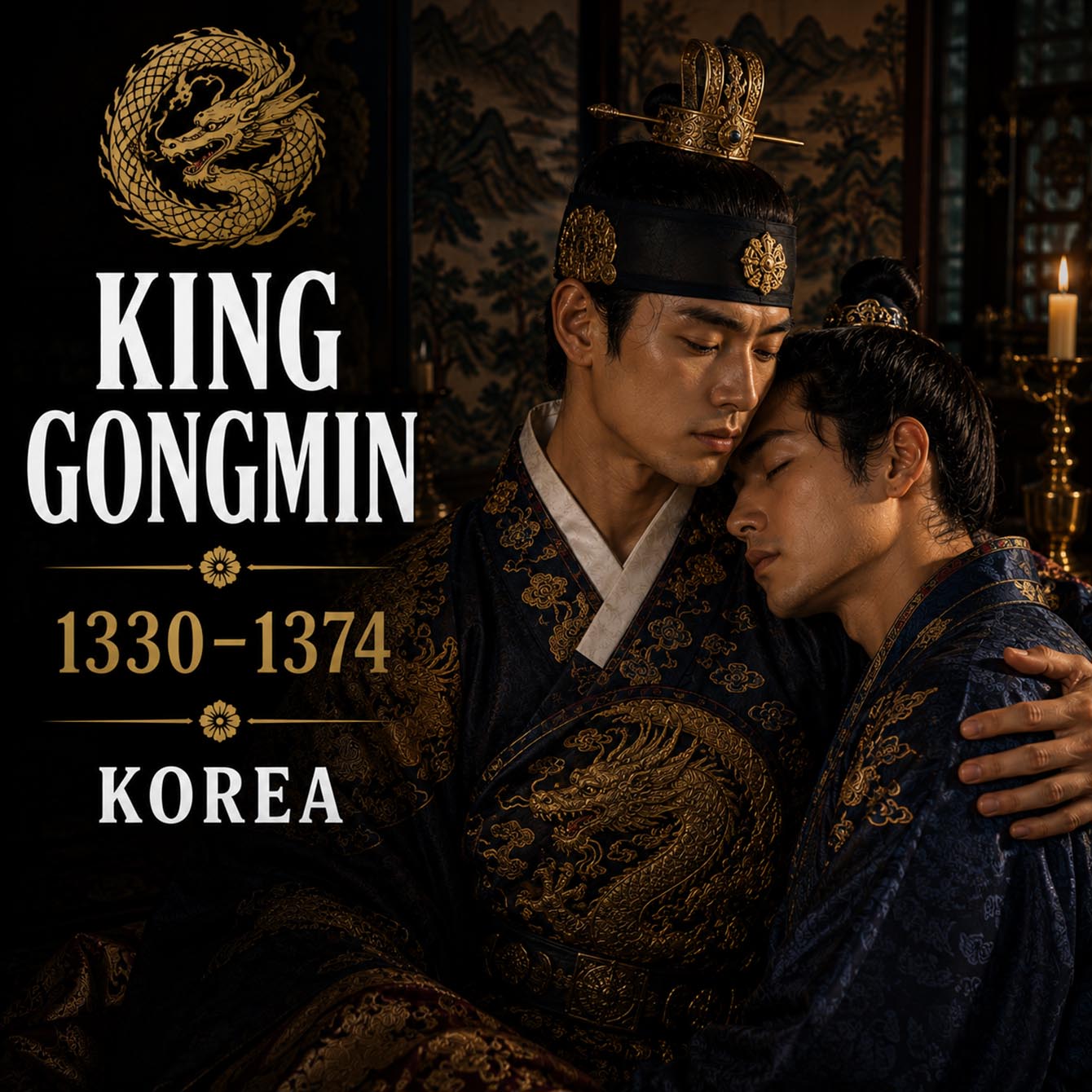
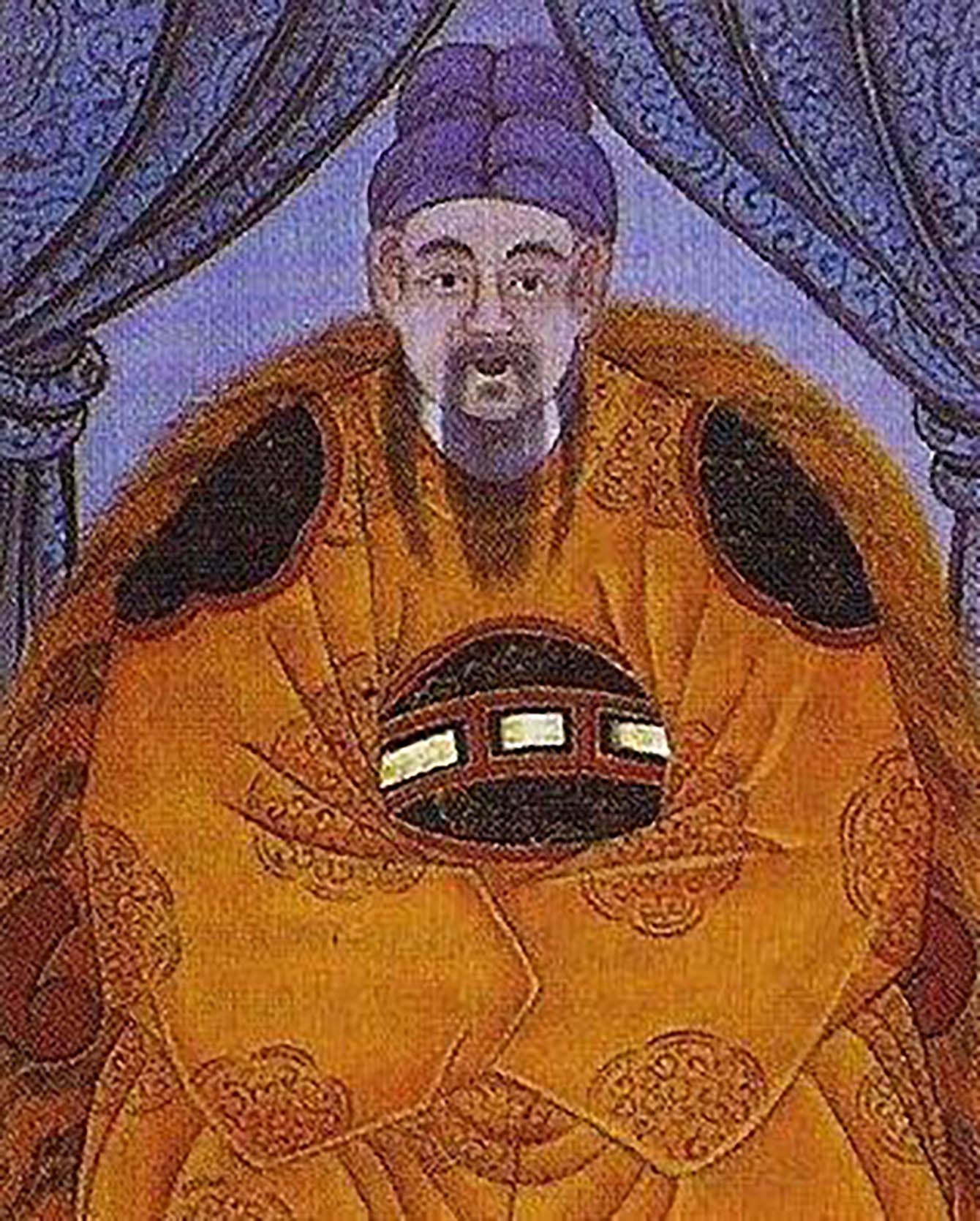
Portrait of King Gongmin of Goryeo.
King Gongmin of Goryeo was deeply devoted to his wife, Queen Noguk. After she died during childbirth, the devastated king changed dramatically.
He created an elite group of handsome young men known as the Jajewi, officially royal bodyguards, and historical Korean accounts describe sexual relationships between the king and members of the group.
The story eventually became deadly. After one guard reportedly impregnated one of Gongmin’s consorts, the king planned to have several men killed to conceal the scandal. Instead, members of his own guard assassinated him in his bedroom in 1374.
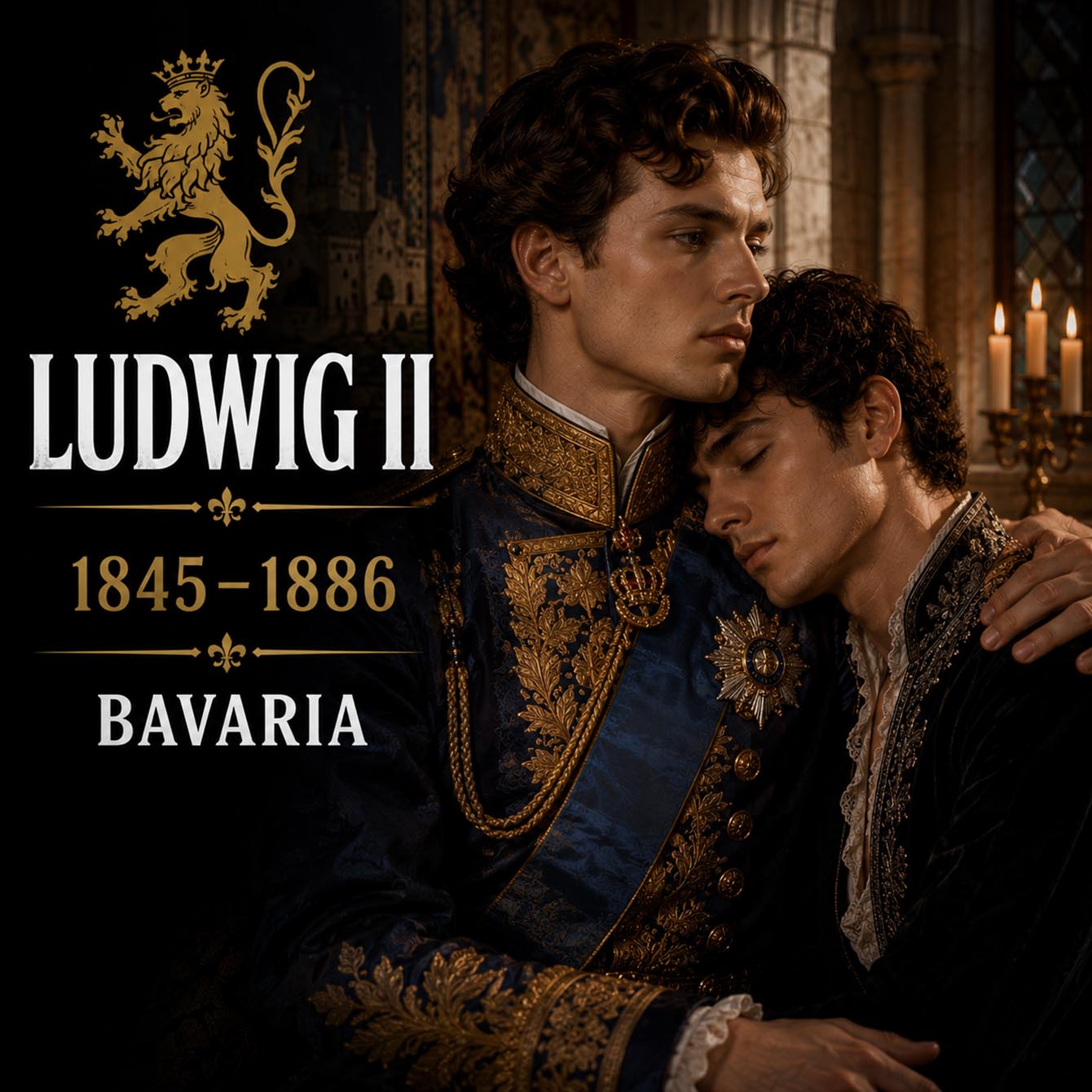
Ludwig II: The Gay Fairy-Tale King
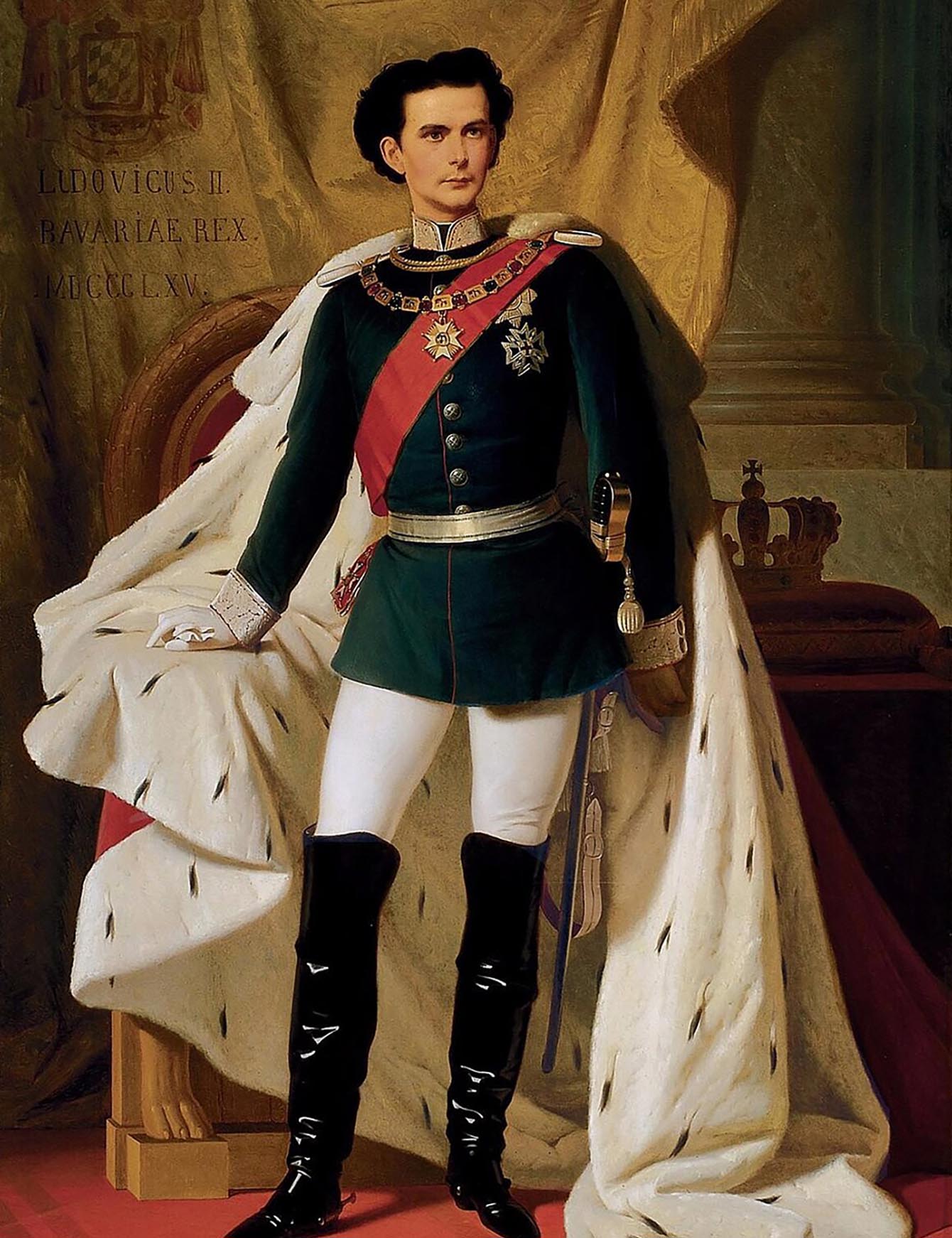
King Ludwig II of Bavaria in generals’ uniform and coronation robe, painted by Ferdinand von Piloty the Younger, 1865.
Ludwig II is best known for building spectacular castles, particularly Neuschwanstein, which later inspired Disney’s fairy-tale castle.
His private diaries reveal his attraction to men and his struggle to reconcile it with his Catholic faith. Ludwig became engaged to Duchess Sophie Charlotte but repeatedly postponed the wedding before cancelling it completely.
Increasingly isolated in his fantasy world and castles, Ludwig was declared incapable of ruling in 1886. Days later, he and his psychiatrist were found mysteriously dead in Lake Starnberg.
And What About Today?
There is at least one who decided that hiding was not for him.
Prince Manvendra Singh Gohil was born into the royal family of Rajpipla in India. He married a princess in an arranged marriage but eventually chose a very different path.
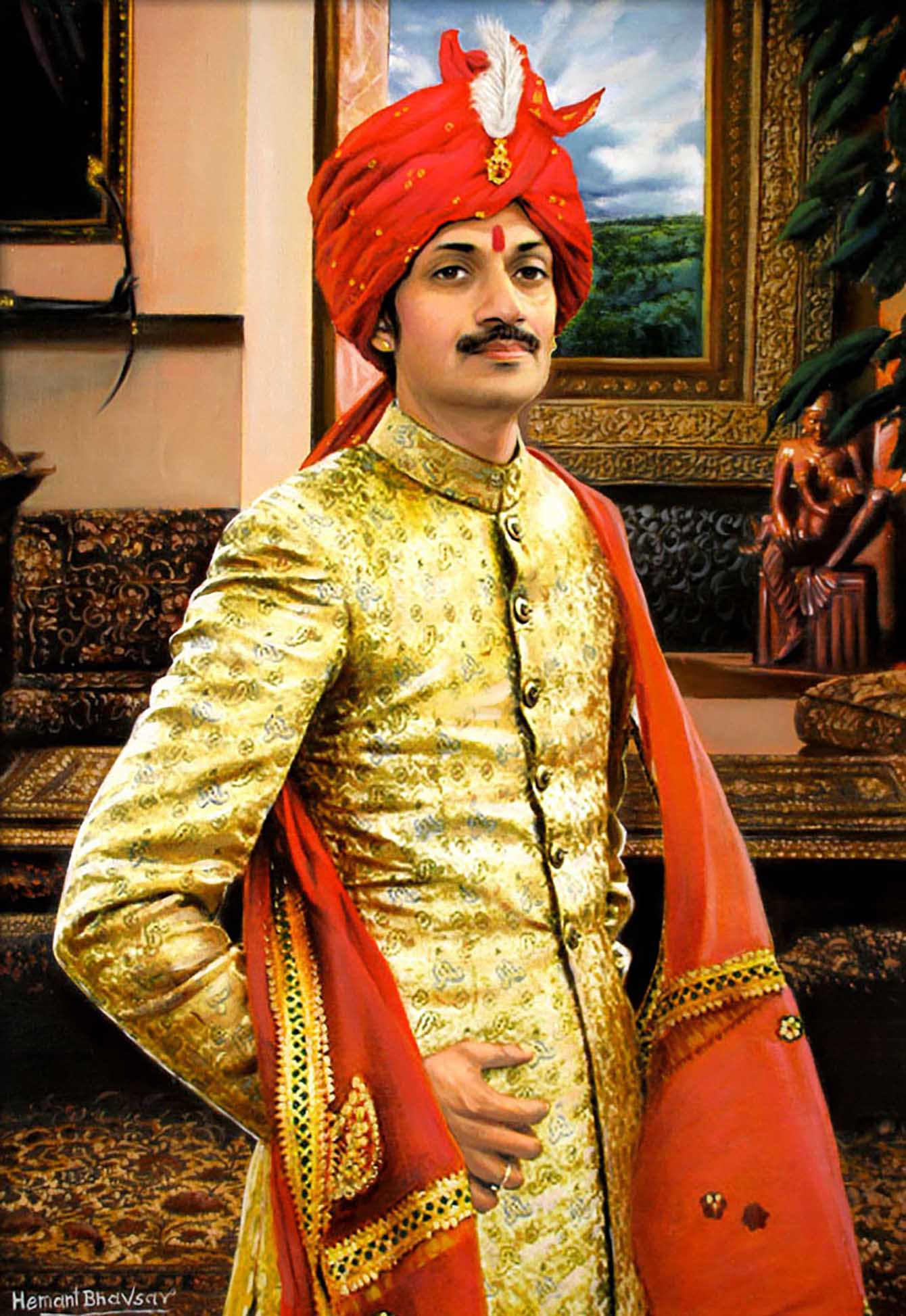
Portrait of Prince Manvendra Singh Gohil by Hemant Bhavsar / Wikimedia Commons, CC BY-SA 3.0.
In 2006, he publicly came out as gay. Sex between men was still illegal in India, and his decision came at an enormous personal cost. His own family rejected him, and his mother publicly announced that she was disowning him.
He didn’t go back into hiding.
Instead, Manvendra became one of India’s most visible LGBTQ activists, using exactly the attention his royal name attracted to speak for people who had far less power and privilege than he did.
Perhaps that makes him a rather fitting prince to end our story with. But sorry to say, he’s already married. And if by any chance you should read this: greetings to India, and thank you for your bravery.
And to any young gay prince secretly reading ROMEO from somewhere inside a royal palace: a little courage, Your Highness. 👑🌈