
We have been making quite a few AI movies lately. Most of them have one very simple purpose: to entertain you. And yes, we know — a lot of stereotypes. Handsome men, muscles, romance, heroes — guilty as charged.
The criticism we received about our mockery of Christopher Nolan’s casting choices in The Odyssey was something we took as a challenge: to prove that we can do more than just muscled guys in armor, and that AI can also help us tell stories that, for practical or financial reasons, might otherwise never be filmed.
To raise awareness for the millions who have no platform. No fame. And sometimes very little else.
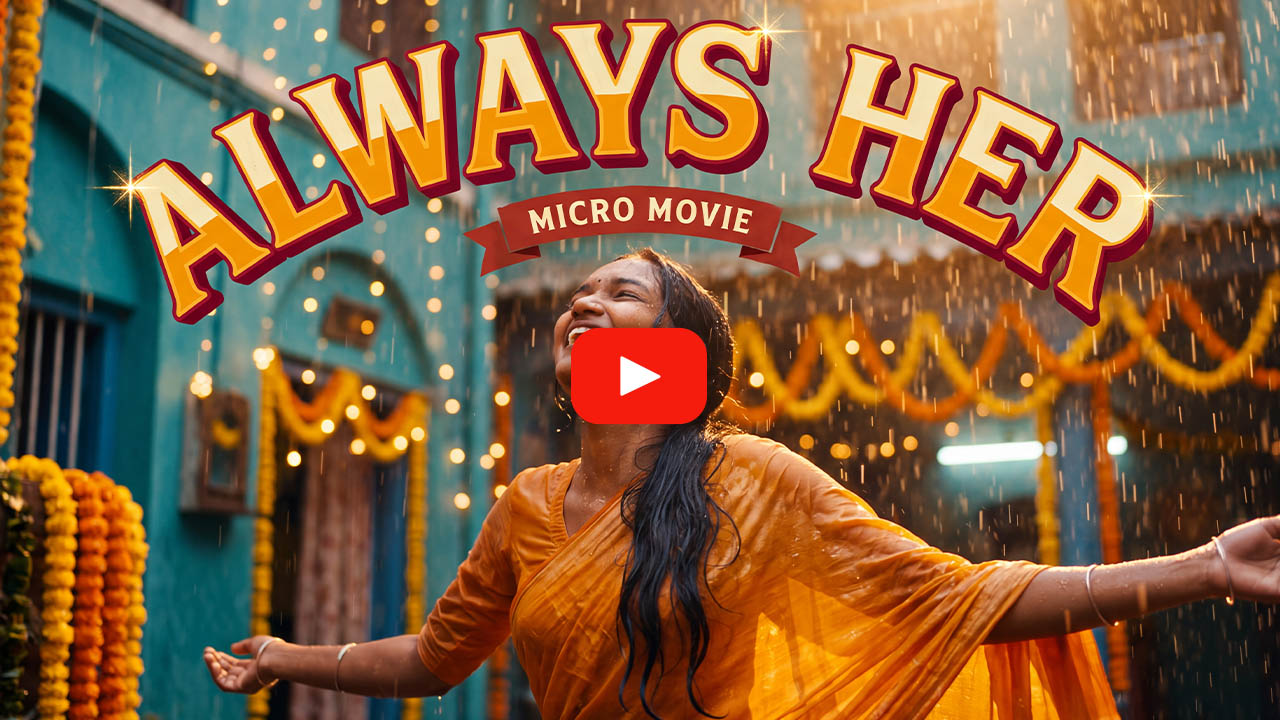
Our fictional (but as realistic as possible) micro-movie follows a young person leaving one life behind and finding another within the Hijra community. Trigger warning: You may cry!
India has always been particularly close to us. We have a large community there, colleagues and friends, and a long connection with the country. And through those connections, we had the opportunity not only to learn about one of the world’s oldest gender-diverse communities — the Hijras — but to speak directly with Koyal, who has lived within the community for 22 years.
Who Are the Hijras?
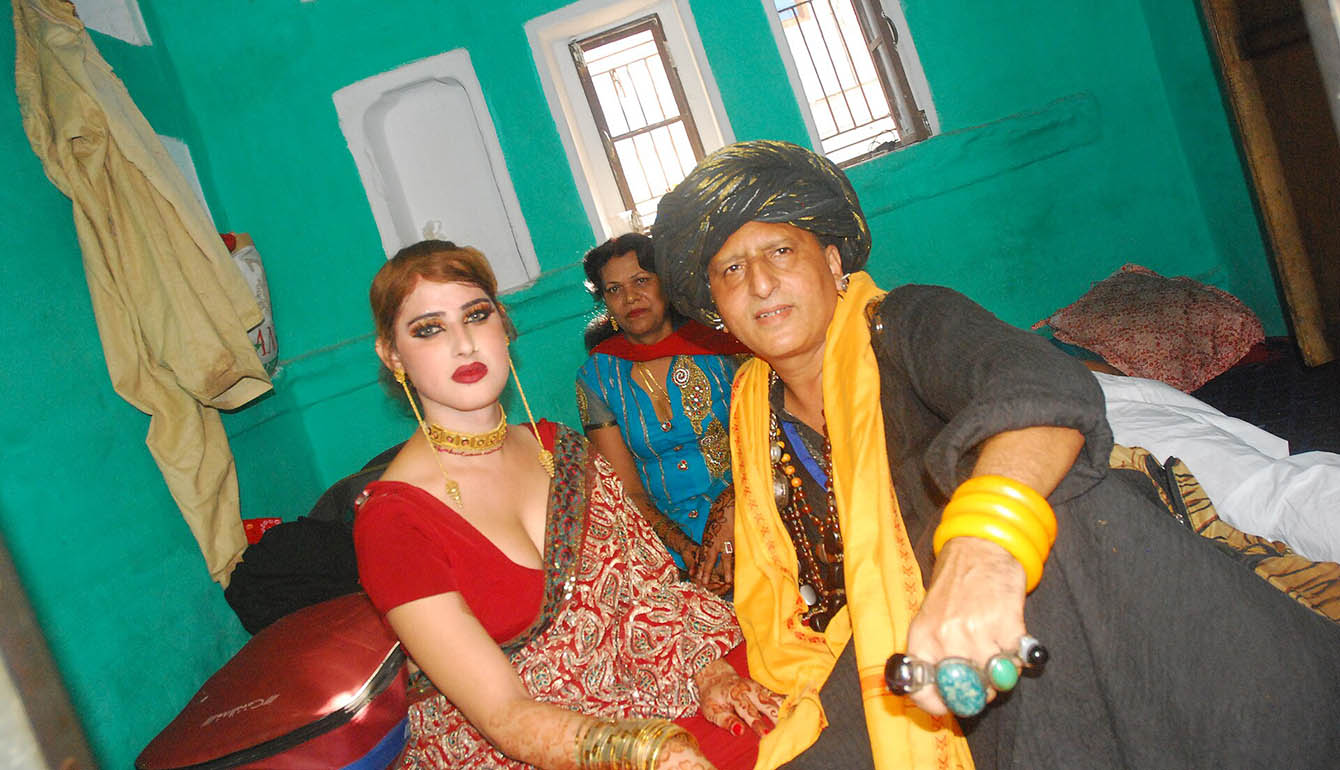
Members of India’s Hijra community, photographed in 2010. Photo: Photographerno1, CC BY-SA 4.0.
For readers outside South Asia, perhaps the first thing to understand is that Hijra is not simply another word for transgender.
The Hijra community has existed in South Asia for centuries, particularly in what is today India, Pakistan and Bangladesh. Hijras appear across the region’s long cultural history and have at different times occupied recognized social and ceremonial roles.
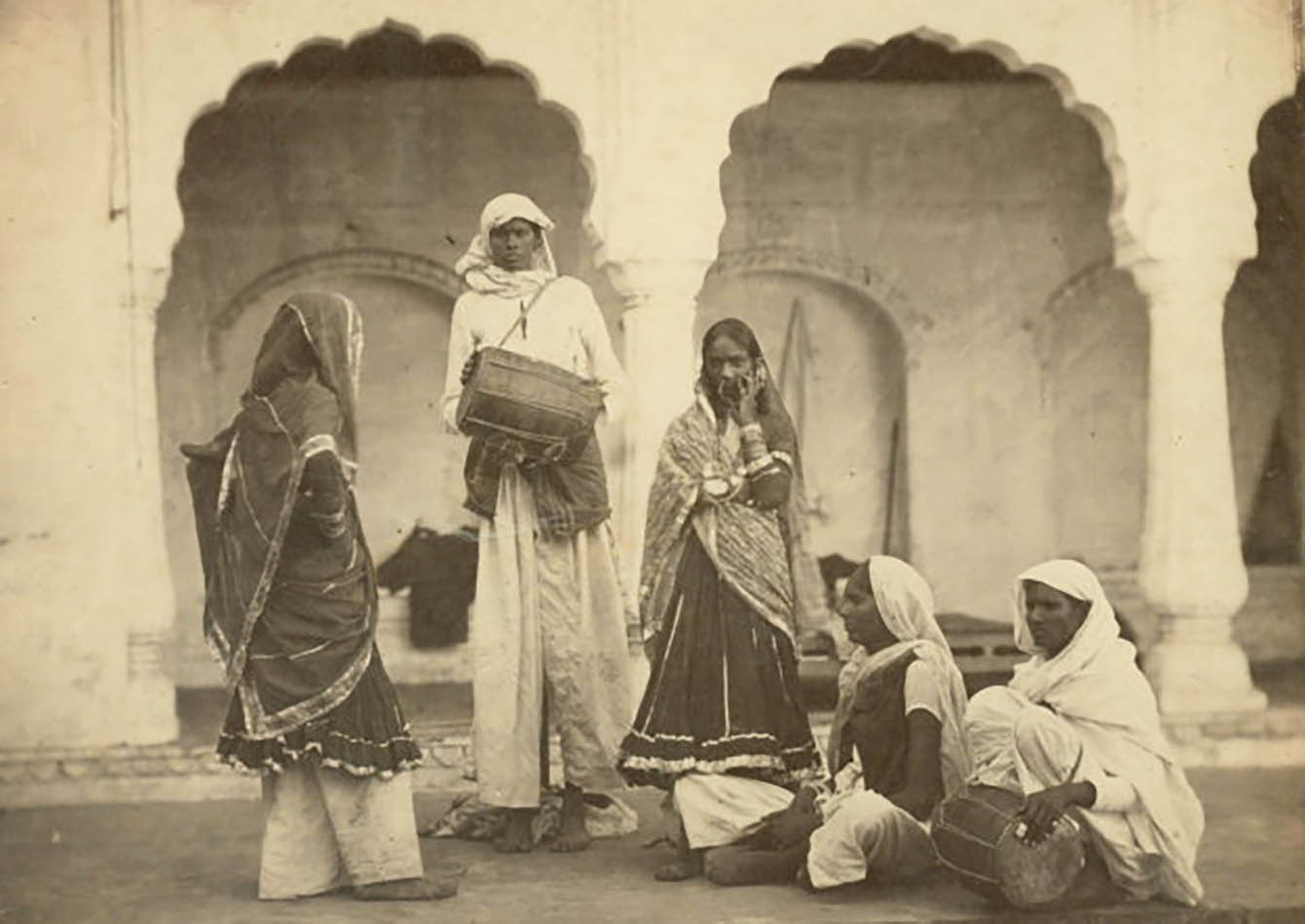
Hijra entertainers in India, c. 1865.
The community also developed its own social structures. Traditional Hijra households can be organized around a Guru-Chela relationship, in which a Guru acts as a senior figure and Chelas become members of their household and community. Other roles and relationships exist within this extended chosen-family structure.
Traditions can include religious and ceremonial practices such as Mata Puja, Jalsa and Nirvan, while badhai — offering blessings at occasions such as weddings and births — has traditionally provided an important source of income.
Hijras have faced a long history of marginalization, including criminalization and surveillance under British colonial rule.
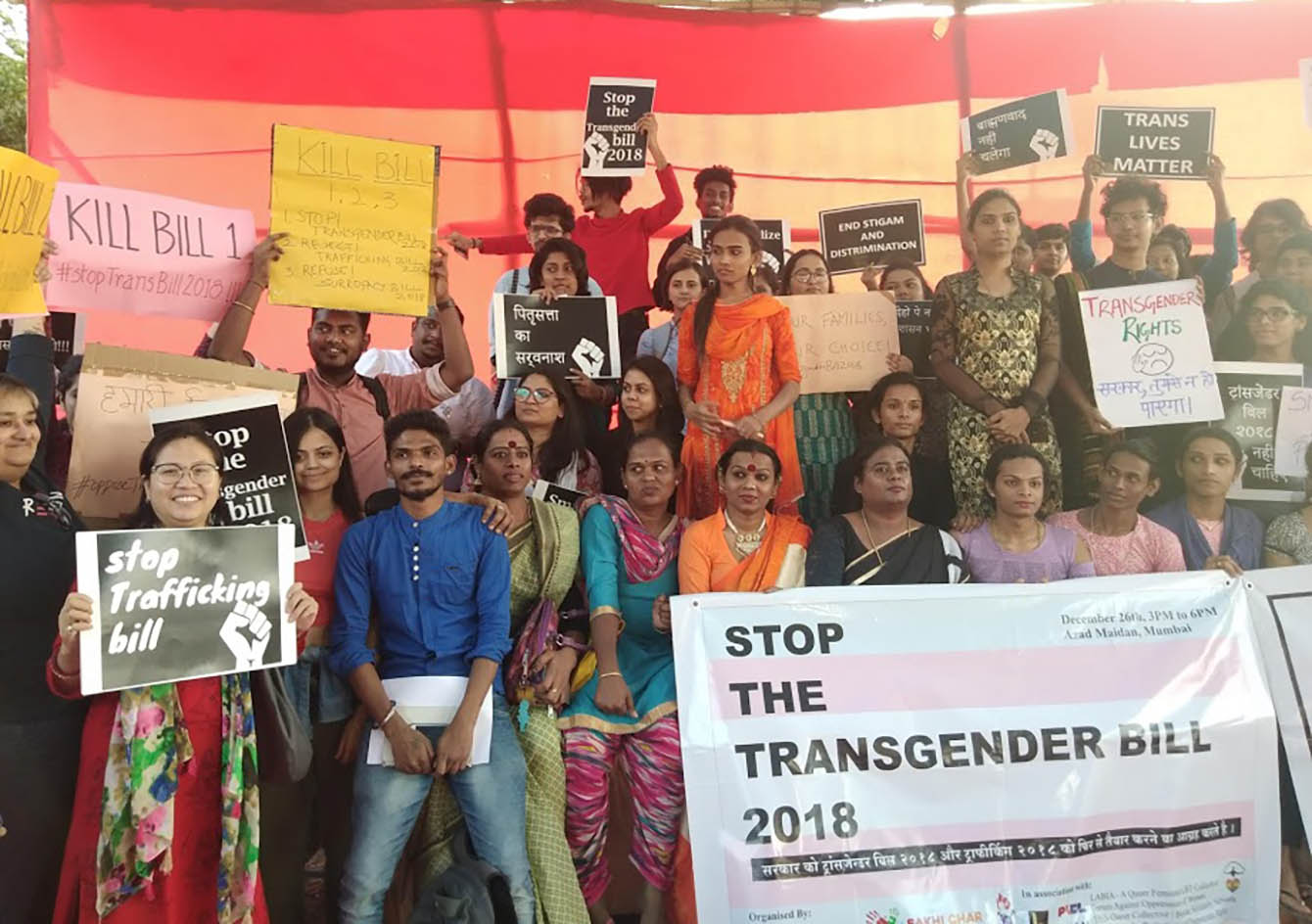
Modern India has moved in a very different direction. In 2014, the Supreme Court legally recognized Hijras and other transgender people as a “third gender”, affirming identities beyond the traditional male-female binary. Four years later, members of India’s transgender community and allies protested in Mumbai against provisions in the Transgender (Protection of Rights) Bill that they saw as regressive and contrary to that landmark ruling. Photo: Tamravidhir / Wikimedia Commons, CC BY-SA 4.0.
But recognition on paper and everyday life are two different things. Discrimination, social exclusion and limited economic opportunities remain a reality for many.
And that brings us to someone actually living this reality.
I Saw a Reflection of My Own Journey
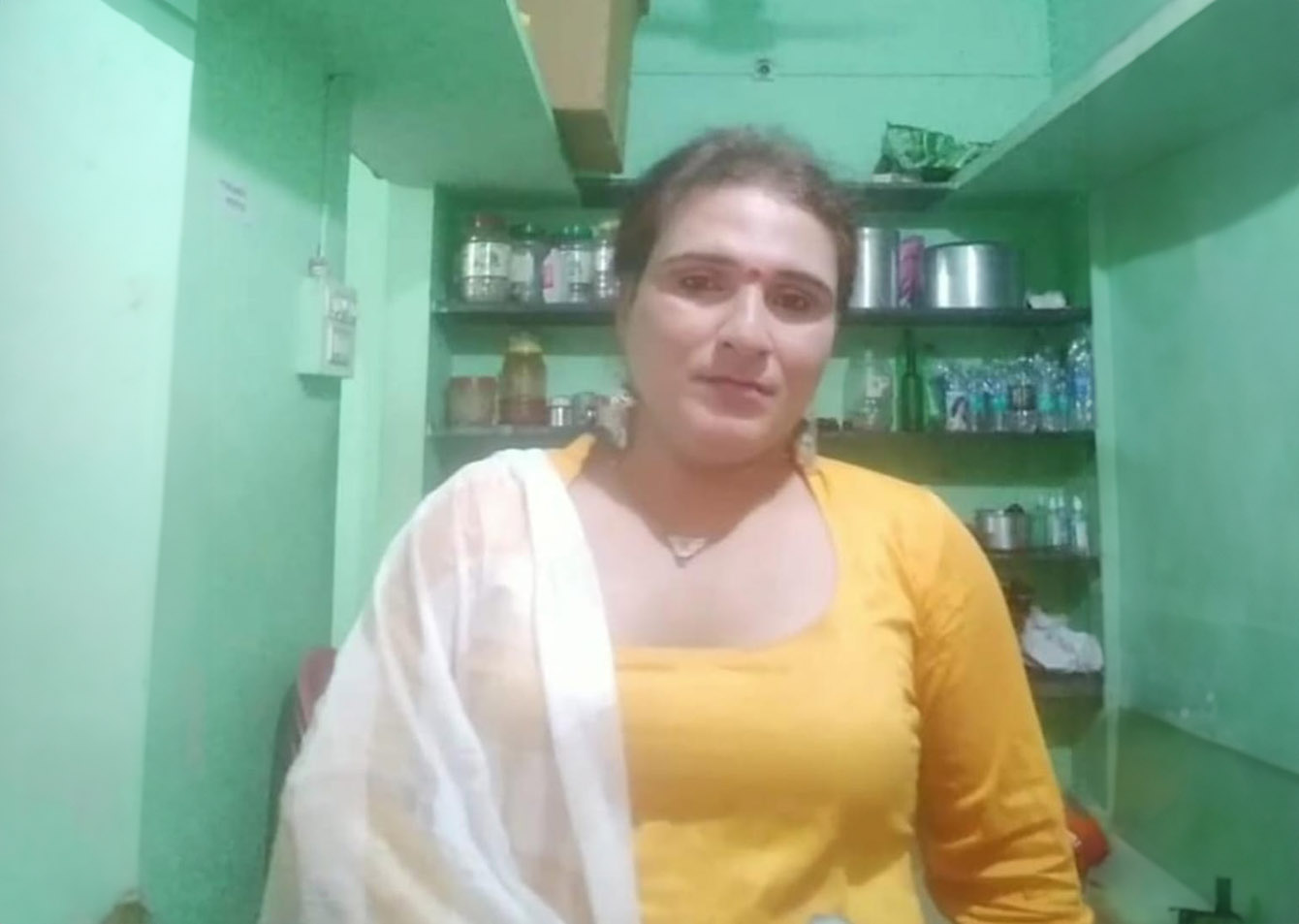
We spoke with Koyal, who has lived within the Hijra community for the past 22 years.
Rather than interpreting her experience for her, we wanted you to hear it more directly. We have shortened and lightly edited the interview for clarity while keeping Koyal’s meaning and perspective.
ROMEO: How would you describe the Hijra community to someone who knows very little about it?
KOYAL: In our Hijra community, around 10 to 15 people may live together in one house. There is a traditional system with Guru, Nani, Chela, Koti and others.
Community members may earn their livelihood through badhai during marriages and other celebrations, while some are also engaged in sex work. Our traditional practices include Mata Puja, Jalsa and Nirvan.
Some people are born male but have feminine feelings and identities. They may dress in feminine clothing and join the Guru-Chela tradition to live within the community. Some undergo gender-affirming surgery and live as women.
ROMEO: What role does the community play when someone’s own family doesn’t accept them?
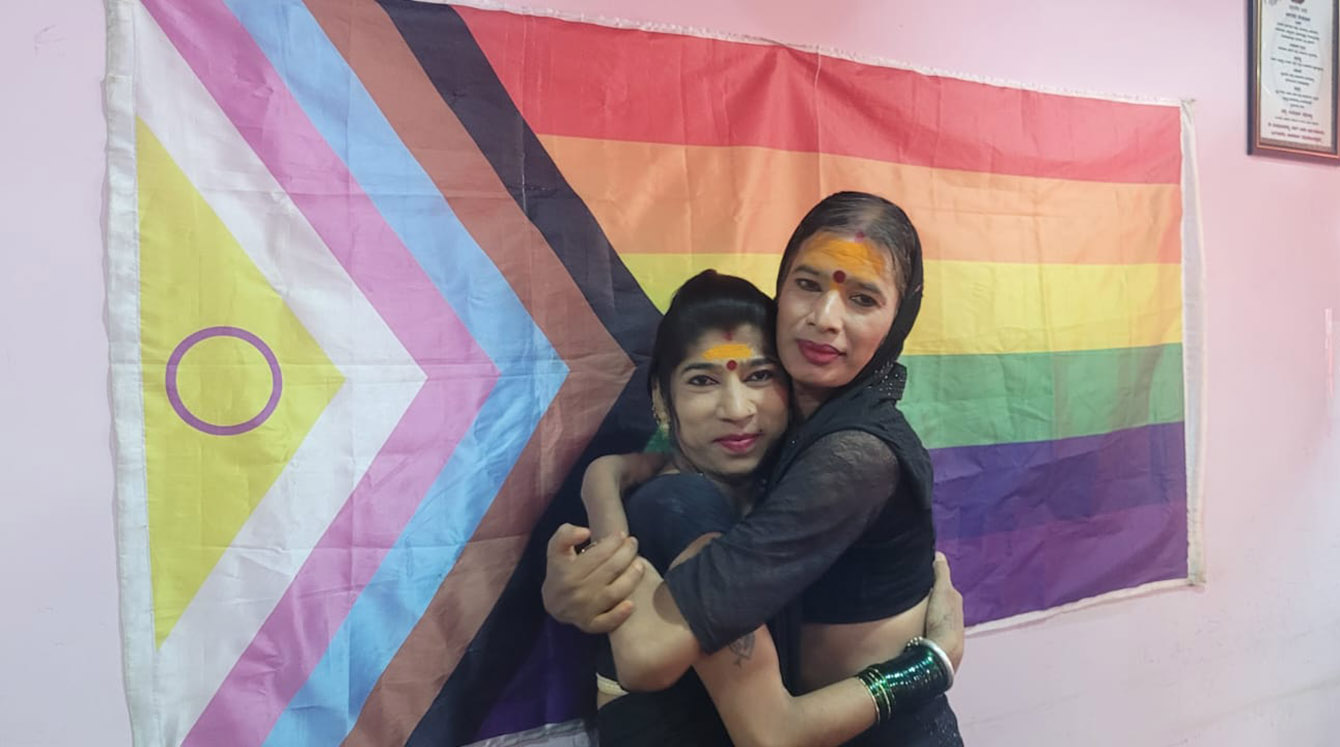
KOYAL: When people are rejected by their families because of their gender identity, Hijra households provide them with shelter and support.
People who join become Chelas under the guidance of a Guru. The households provide support and a sense of belonging to people who have been forced to leave their homes.
That is one of the most important positive aspects of our community: having a safe place to live.
ROMEO: What is life like for Hijras in India today?
KOYAL: Life for many members of the Hijra community is very difficult, and many have no clear idea about their future.
Society still does not fully accept our community and looks at us differently. Families may refuse to accept us and force us to leave home.
Even when we are willing to work, people often do not give us employment. As a result, many community members depend on begging and sex work for their daily needs.
We face problems with housing, separation from family, social exclusion and discrimination. People look at us differently and use insulting and abusive words against us.
ROMEO: What do you think people misunderstand most about Hijras?
KOYAL: People outside the community often don’t know about our traditions, customs and practices. They don’t understand why we live this way or why some people identify and express themselves in a feminine way.
One common misconception is that people deliberately choose to become Hijra.
People should see us like any other members of society. We are also part of society and should be treated equally.
ROMEO: What did you feel when you watched our movie?
KOYAL: I felt that the lives of many Hijra community members have followed a similar journey.
We hide our wishes and aspirations and struggle to live without being ourselves. We suffer, lose hope and live in fear of society and our families. We suppress our true feelings and live without expressing who we really are.
Later, when we decide that we want to live as our true selves, we may move away from our families, join the Hijra community and begin living as women.
Through this video, I saw a reflection of my own journey — how I chose to live as myself and build my life with my identity and dignity.
ROMEO: And what would you like the future to look like?
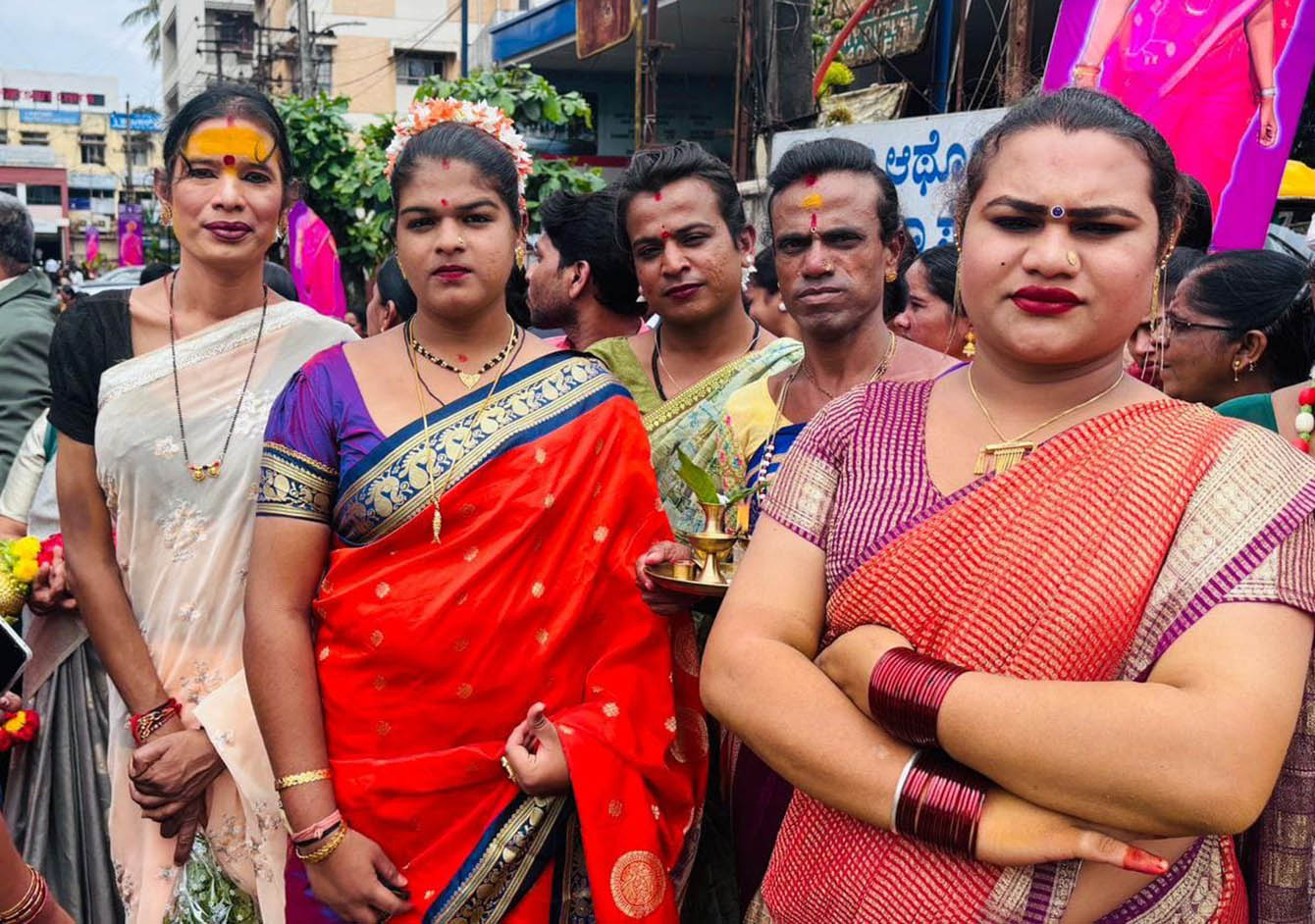
KOYAL: The future should include better employment opportunities. There are many people in the Hijra community who are willing and able to work.
We need suitable employment, safe housing and opportunities to become financially independent and live self-reliant lives.
Support When It Matters
Koyal also wanted us to mention an organization that has made a real difference in her own life.
The Humanity Foundation in Belagavi, Karnataka, has supported Koyal, her Guru and other members of their Hijra family through family problems, violence, discrimination and health crises.
View this post on Instagram
The organization helps connect people with hospitals, legal assistance and government services, and has helped community members obtain Transgender ID cards, Aadhaar cards, Voter IDs and other documents that can be essential for accessing services and government programs.
Love, Dignity and a Place to Belong
Koyal’s story comes from India and from a culture that will be unfamiliar to many readers.
But the human story behind it isn’t so distant.
Wanting your family to accept you. Wanting somewhere safe to live. Wanting a job. Wanting to love. Wanting to be loved. Wanting to walk outside without being insulted. Wanting the freedom to decide who you are.
At ROMEO, Love is for Everyone isn’t complicated for us. Trans men and women are part of our community, equally and without an asterisk. And that shouldn’t require everyone within our incredibly diverse Rainbow Family to agree about every political question.
In fact, we are increasingly concerned by how easily discussions around trans issues turn into camps fighting one another — including inside the rainbow community itself.
Many trans people never asked to become symbols in a political or cultural battle. They are simply living their lives.
Perhaps that’s something worth remembering when another debate explodes somewhere on our screens.
Behind the headlines are millions of very different human beings. Some are famous. Most aren’t. Some live comfortably. Others have been thrown out of their homes. Some have enormous platforms. Others simply hope somebody will give them a job.
They all deserve dignity.
And if we expect the wider world to show understanding toward our Rainbow Family, we should be capable of showing that understanding to one another first.
Be curious. Listen. And above all, be nice to each other. 💙