
If you ask people around the world what symbol represents the LGBTQ+ community, most will give the same answer: the Rainbow Flag.
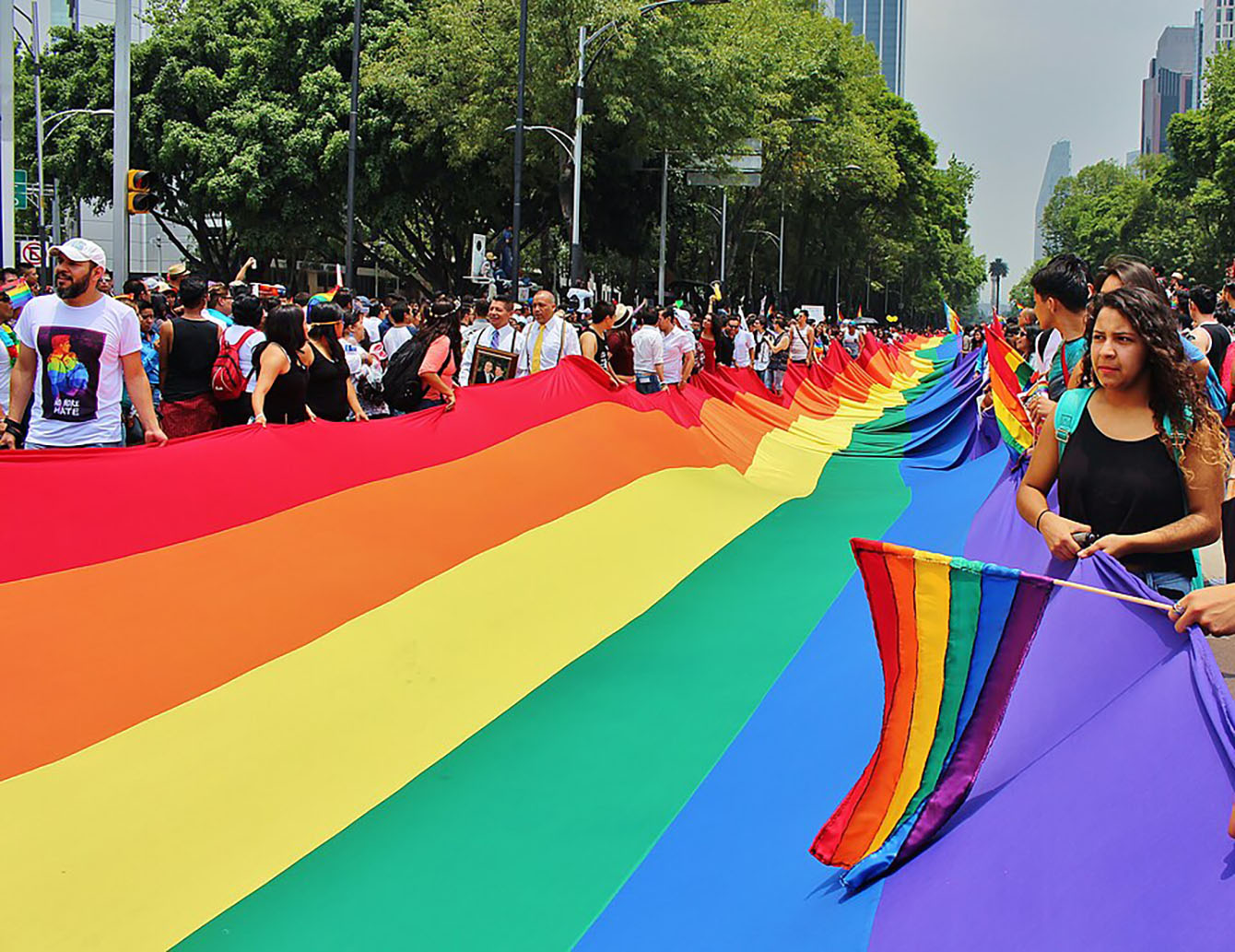
Today it flies from government buildings, Pride parades, community centers, businesses, and homes across the globe. It is one of the most recognizable symbols in the world.
It’s likely you got one at home. But few people know the story of the man behind it.
A Boy from Kansas
The creator of the Rainbow Flag was Gilbert Baker.
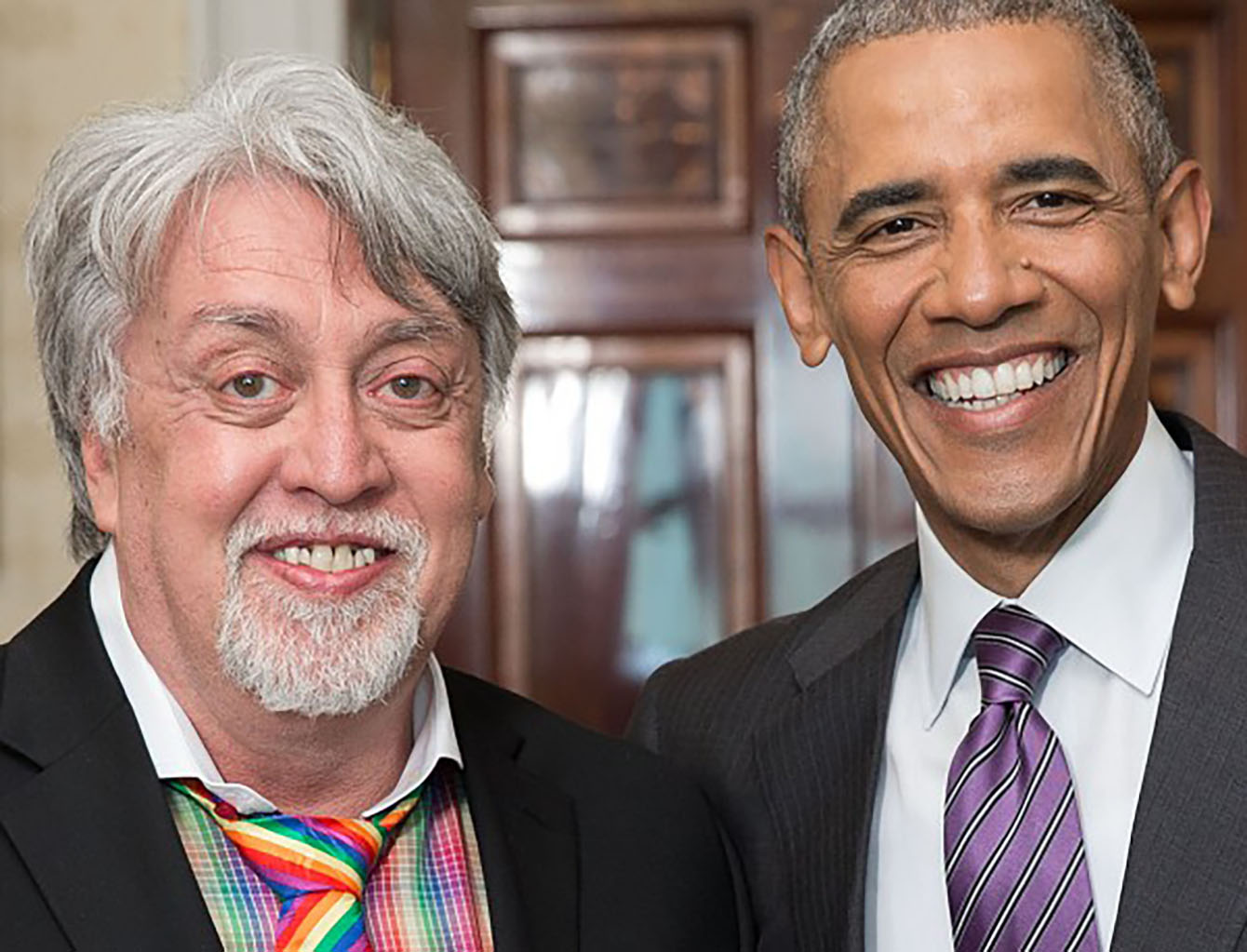
Gilbert Baker with former U.S. President Barack Obama at the White House in 2016 (Photo: White House / Amanda Lucidon).
He was born in 1951 in a small town in Kansas, USA. Growing up, Baker often felt different from those around him. Like many gay people of his generation, he came of age during a time when homosexuality was still heavily stigmatized.
After high school, he joined the U.S. Army and was stationed in San Francisco.
What happened next would change his life.
San Francisco in the 1970s was becoming one of the most important centers of gay life and activism in the world. For Baker, it was a place where he could finally be himself.
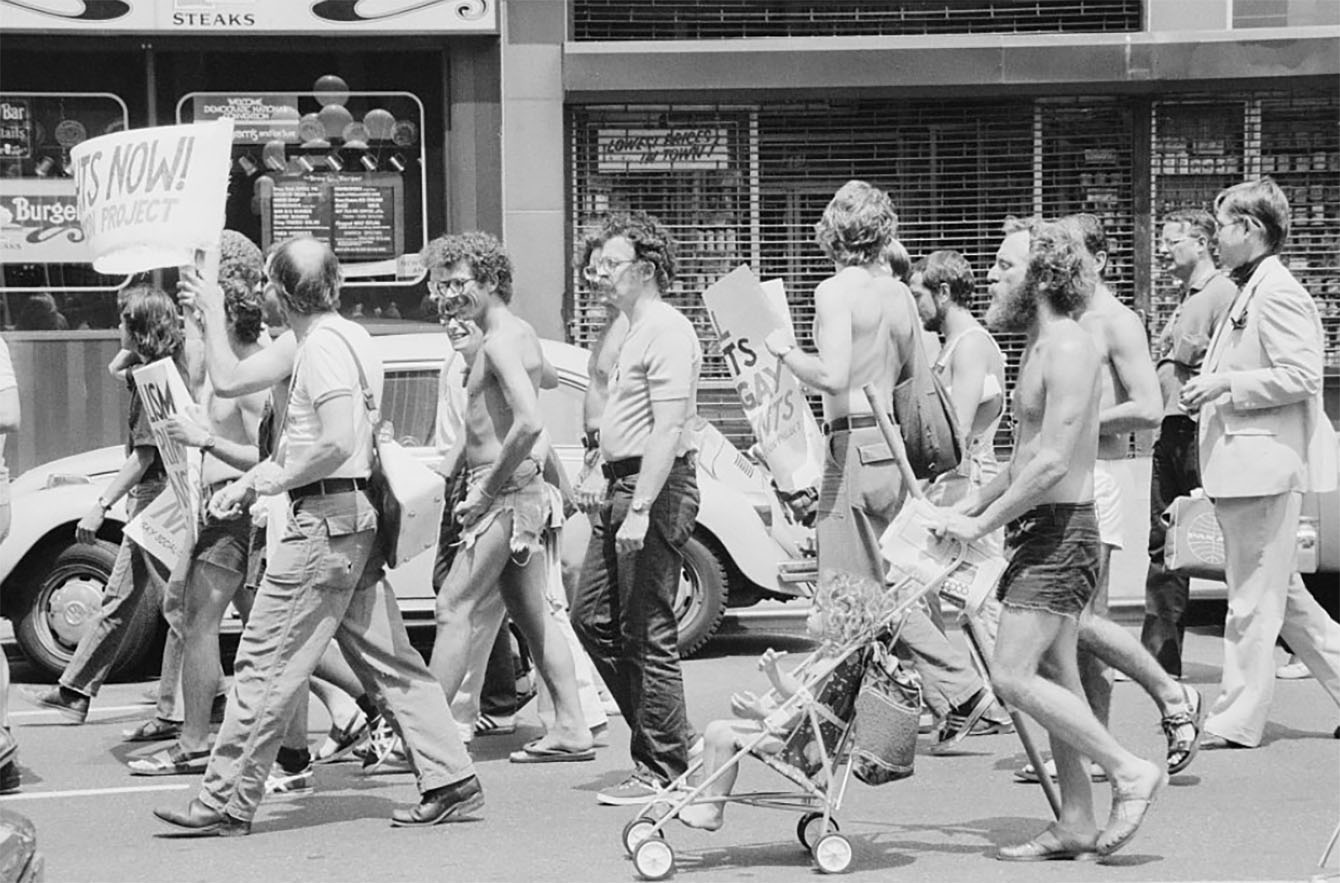
A group of gay rights protestors in New York City, 1976.
After leaving the military, he became involved in the growing gay rights movement and discovered a talent that would later make history: sewing.
What started as making banners for demonstrations eventually led him to a much bigger idea.
Creating a Rainbow
At the time, the LGBTQ+ community had no widely accepted symbol.
Some activists used the pink triangle, a symbol that had originally been used by the Nazis to identify homosexual prisoners during World War II. While many had reclaimed the symbol, Baker felt the community deserved something more hopeful.
Baker believed the answer was not a logo. It was a flag.
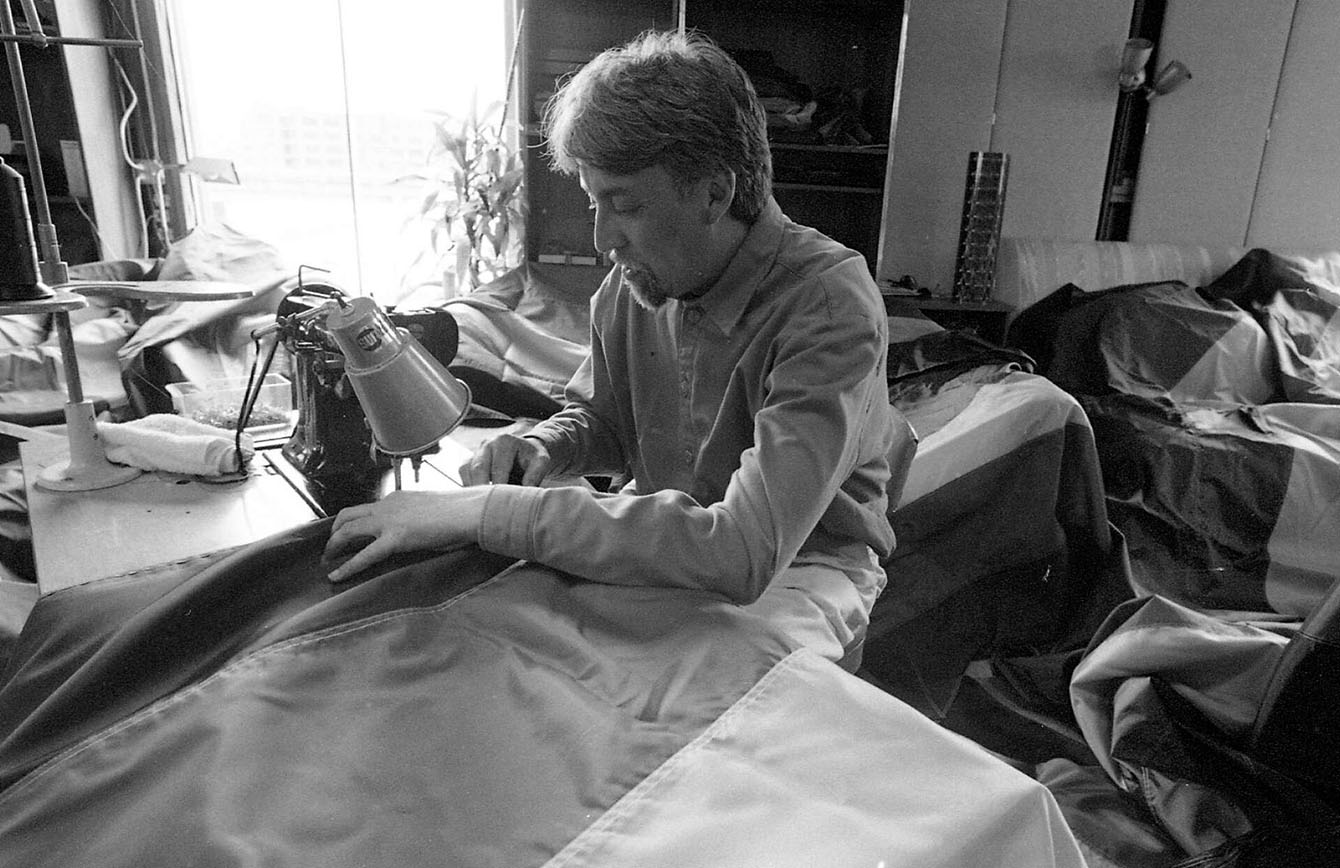
Gilbert Baker, making 500 new flags for an installation on Market St. on June 10th 1998 (Photo: Jerry Telfer/The Chronicle).
“A flag is something you proclaim,” he later said. “It’s saying: this is who we are.”
In 1978, Baker and a group of volunteers began creating the first Rainbow Flag.
They dyed fabrics by hand, cut material, and sewed the first flags themselves.
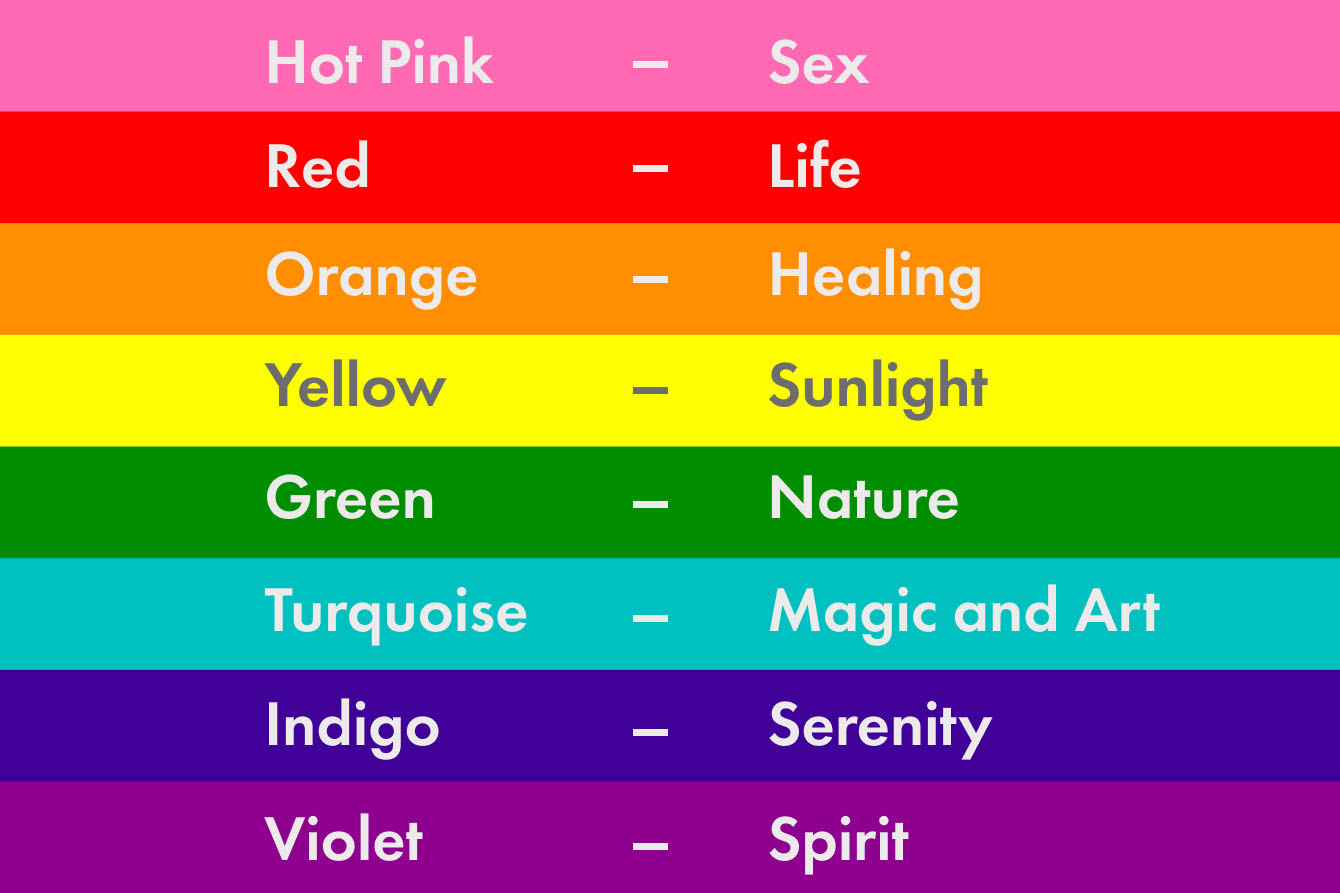
The original version contained eight colors and was unveiled during San Francisco’s Gay Freedom Day Parade in June 1978.
A Tragedy and an Opportunity
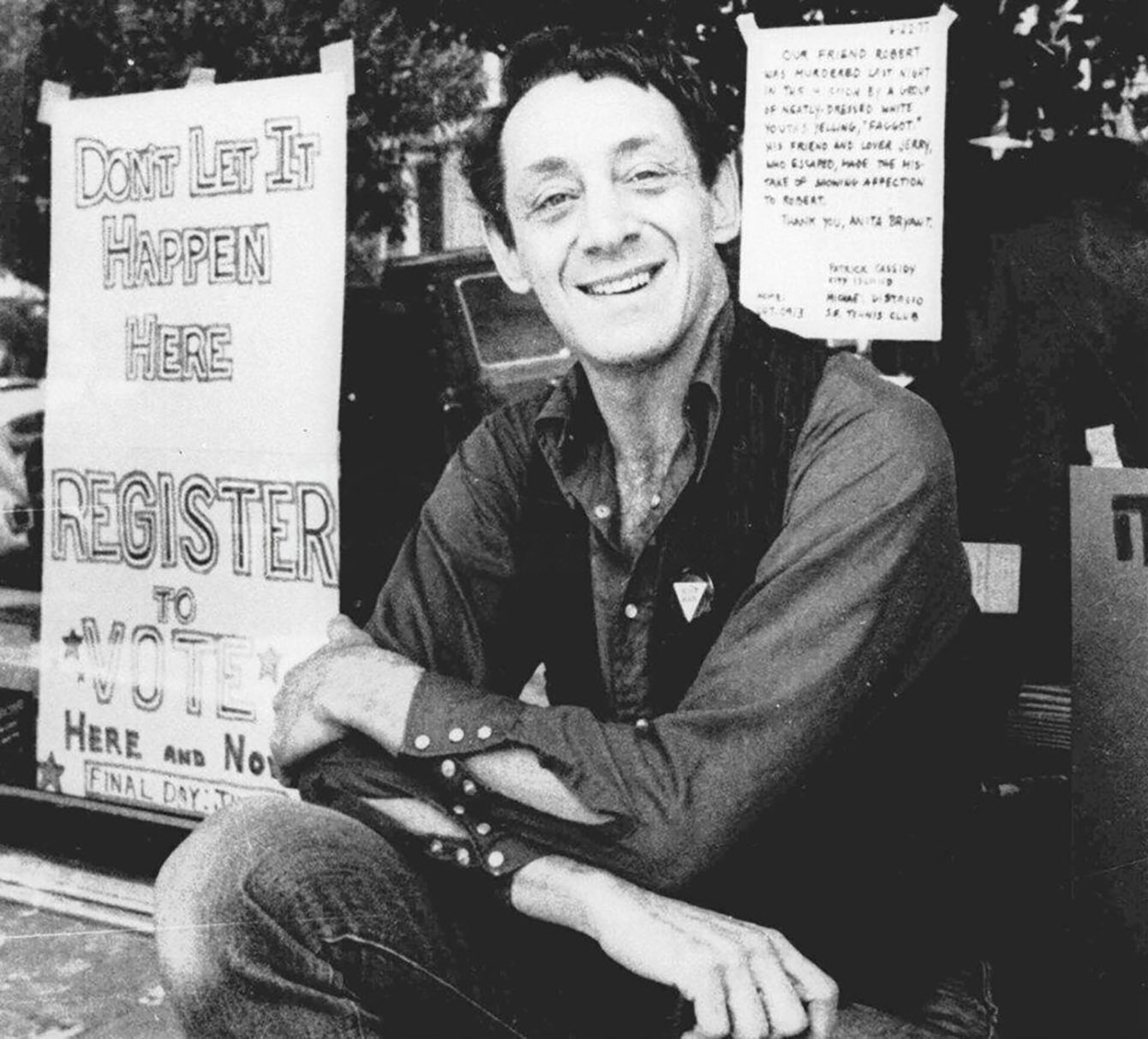
Harvey Milk, photographed in front of his camera shop, 1977.
Only a few months later, Harvey Milk was assassinated. His death shocked the Rainbow community and generated enormous public attention. Suddenly, demand for the Rainbow Flag exploded.
There was just one problem. The original design was difficult to manufacture.
Hot-pink fabric was hard to find, so that stripe was removed. Later, turquoise was also dropped, and indigo became blue.
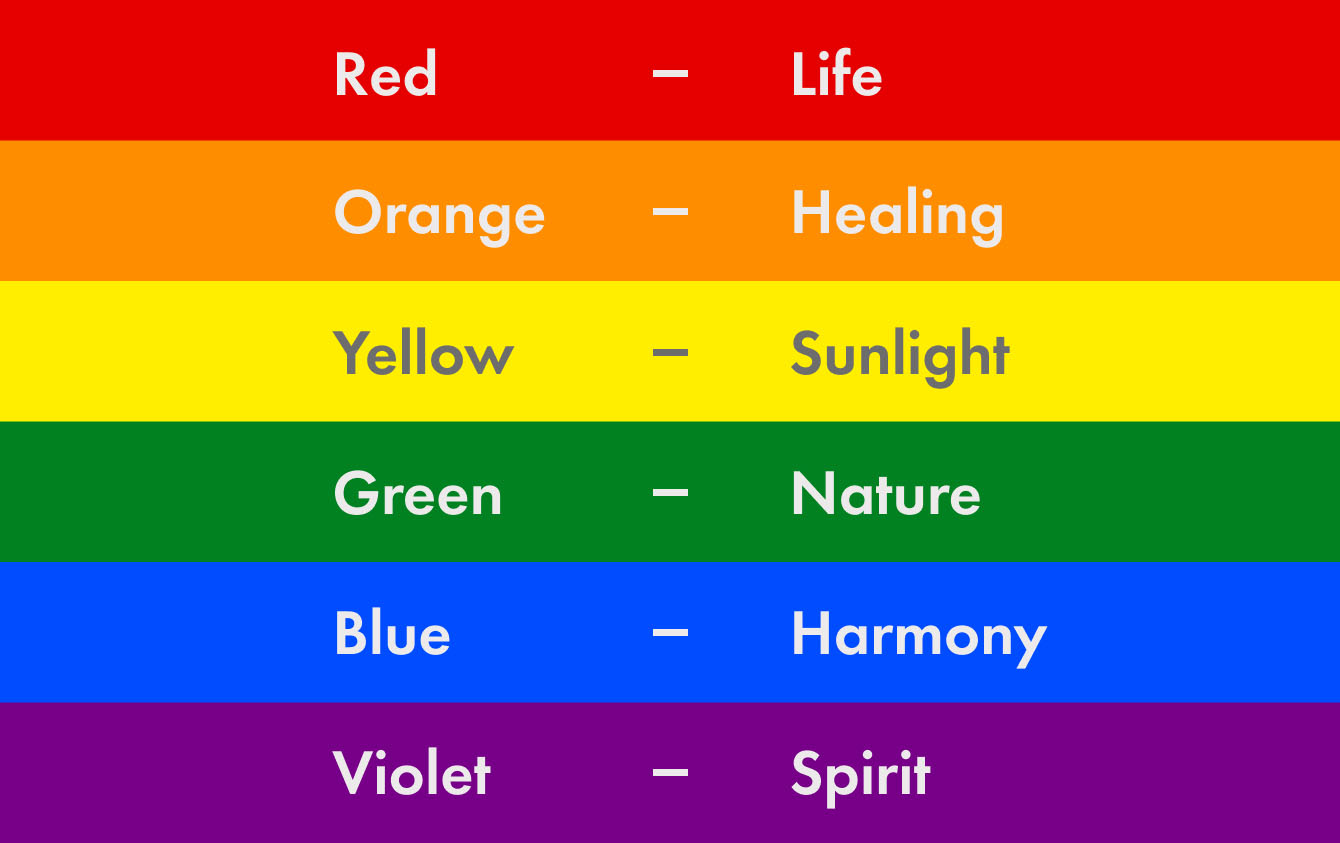
Ironically, one of the world’s most famous symbols looks the way it does largely because certain fabrics were unavailable.
Gilbert Baker believed the flag belonged to the community. He did not charge licensing fees. He wanted people everywhere to use it.
That decision helped the Rainbow Flag spread faster than almost any modern symbol. Within a few decades, it could be seen on every continent.
More Than a Piece of Fabric
What made the Rainbow Flag special was not its design. It was its universal message.
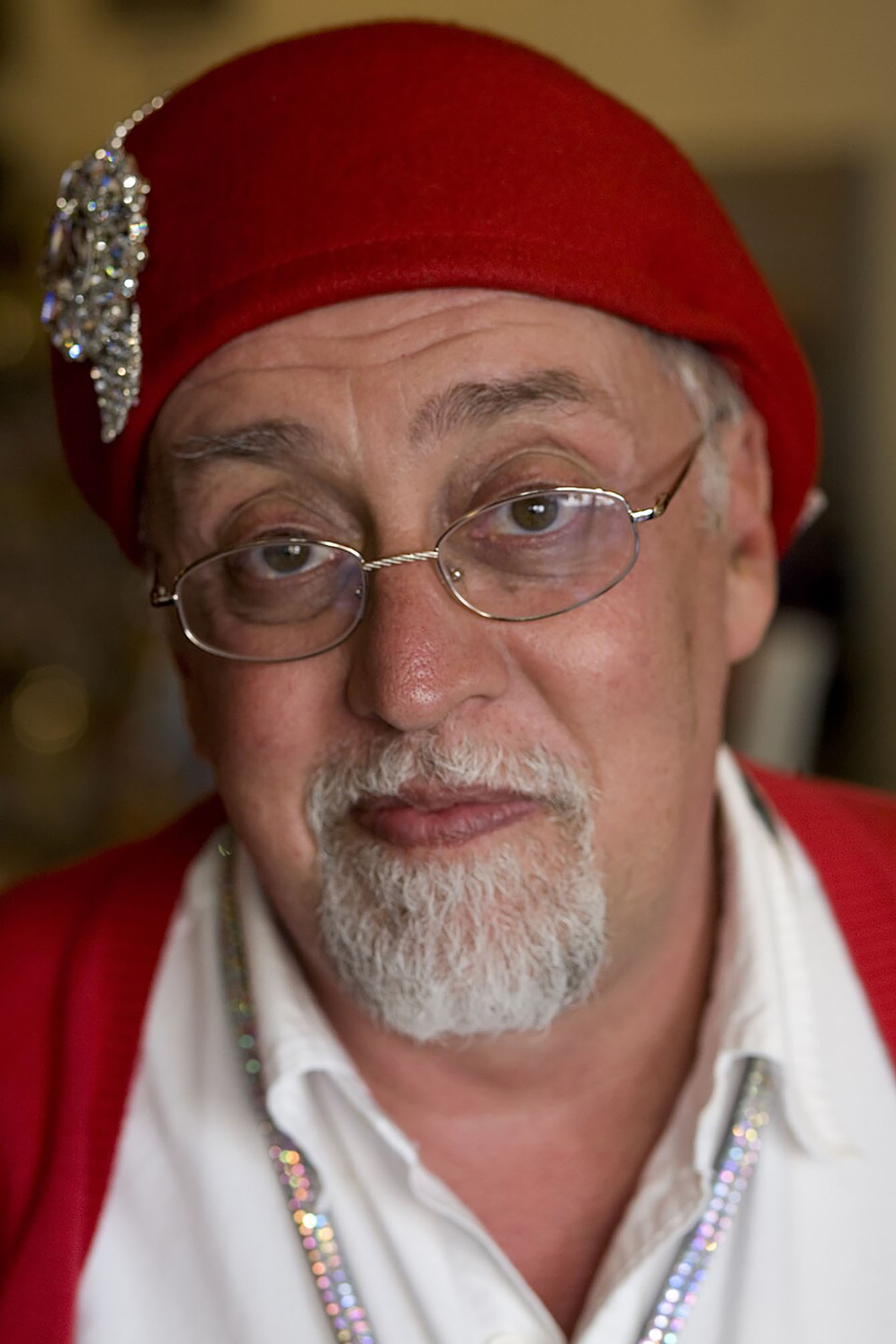
Gilbert Baker passed away in 2017.
By then, his creation had become one of the most recognizable symbols in the world. A gay man in Brazil, a lesbian couple in Spain, a trans person in Thailand, or a queer activist in South Africa could all recognize the same flag.
Over the years, new versions of the Rainbow Flag have been created. We welcome that. The fact that new flags continue to emerge shows that our community is alive, diverse, and constantly evolving.
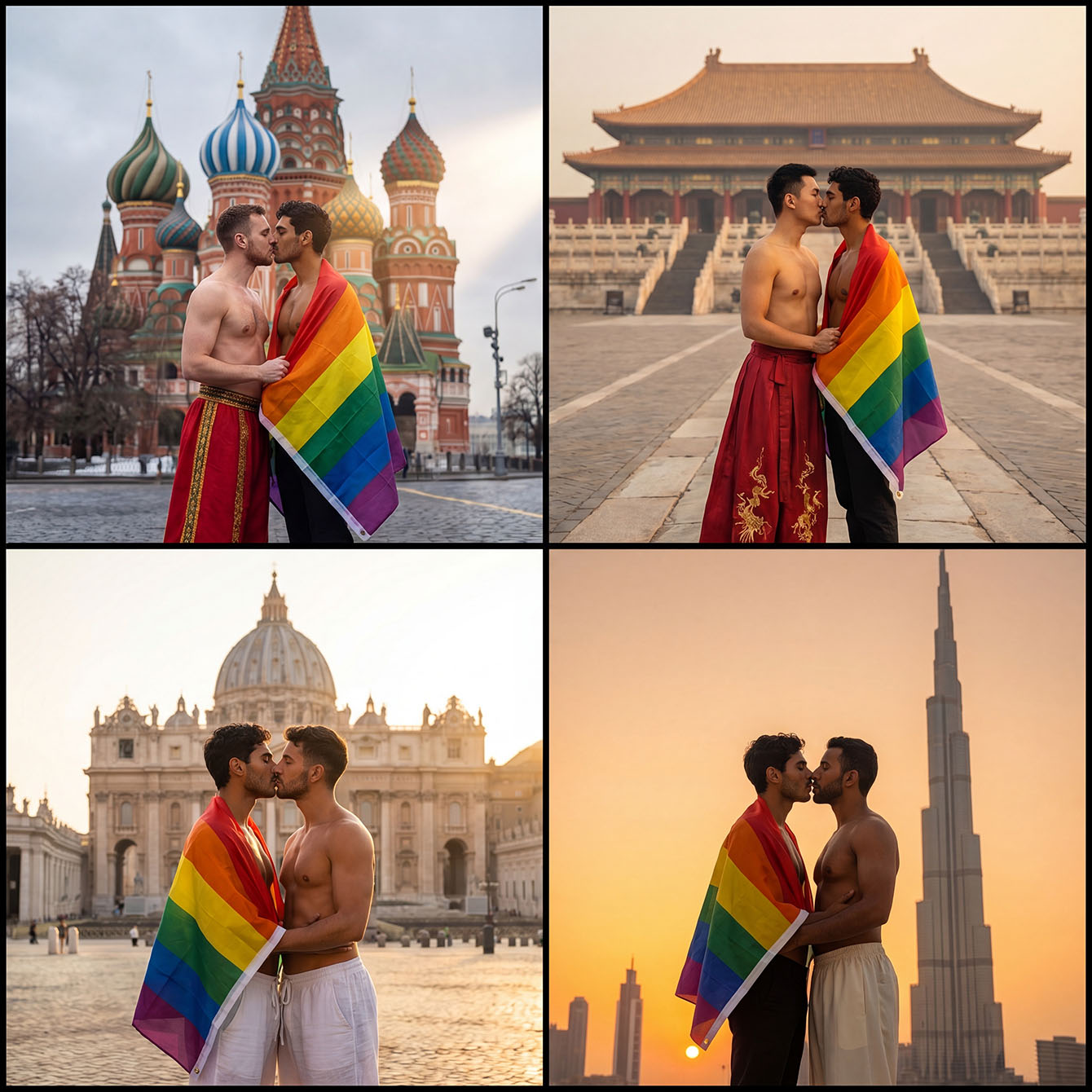
Little AI Vision, lets hope it becomes reality one day.
Since we sometimes get the question: why does ROMEO continue to use the original Rainbow Flag?
The reason is simple. We are a global platform that brings together people from different cultures, religions, ethnicities, genders, and sexual orientations. And we want to treat everyone equally.
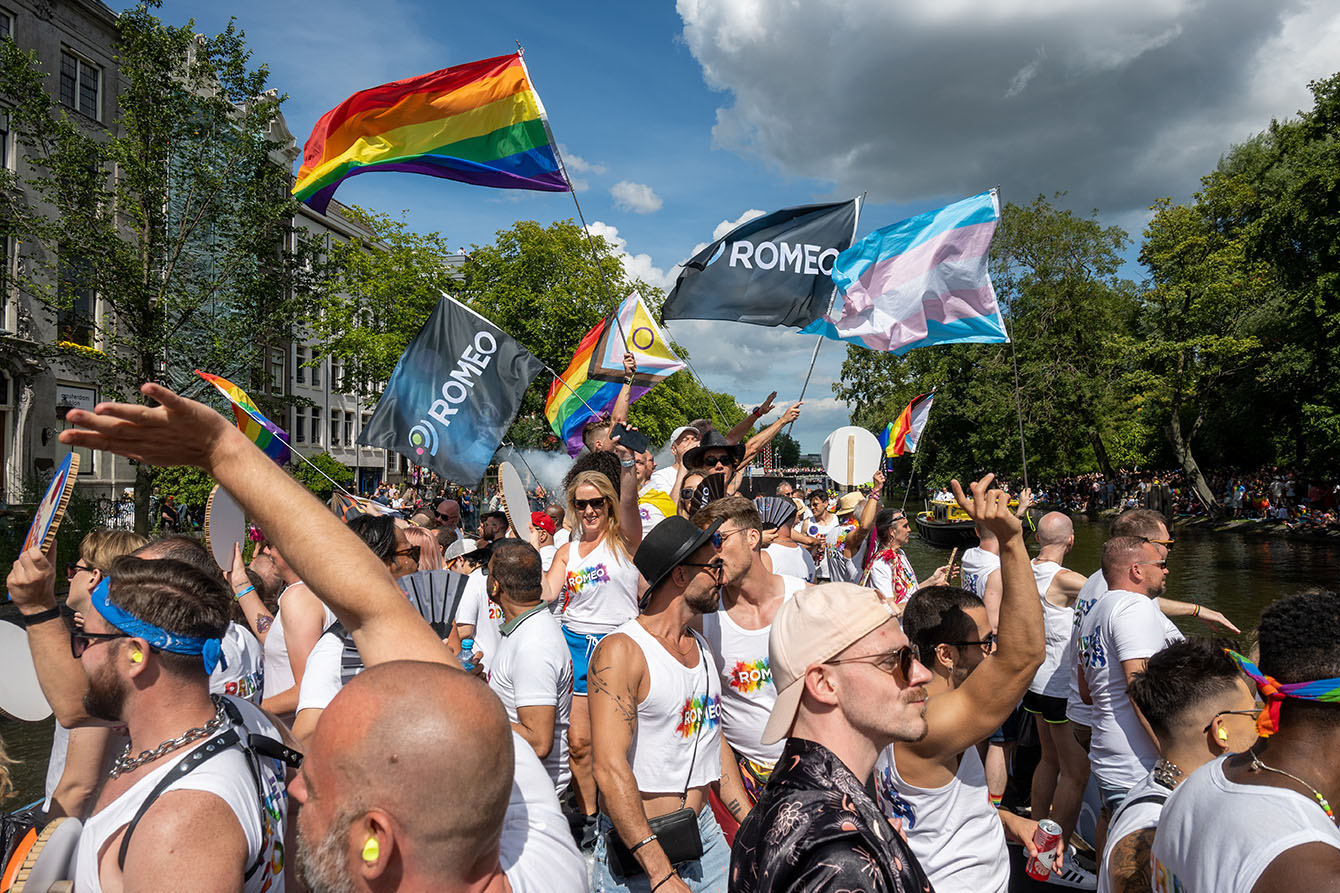
Our Romeo Pride boat in Amsterdam.
Means, for us, the original Rainbow Flag remains the perfect common ground. A simple canvas onto which everyone can add their own story, identity, and message.
Nearly fifty years after its creation, Gilbert Baker’s vision remains as relevant as ever: many colors, one rainbow, one family.
Happy Pride.