
Every June, one name keeps coming back.
Stonewall.
We hear it in Pride speeches, see it on social media, read it in articles, documentaries and history books. More than 50 years after it happened, it remains one of the best-known chapters of LGBTQ+ history.
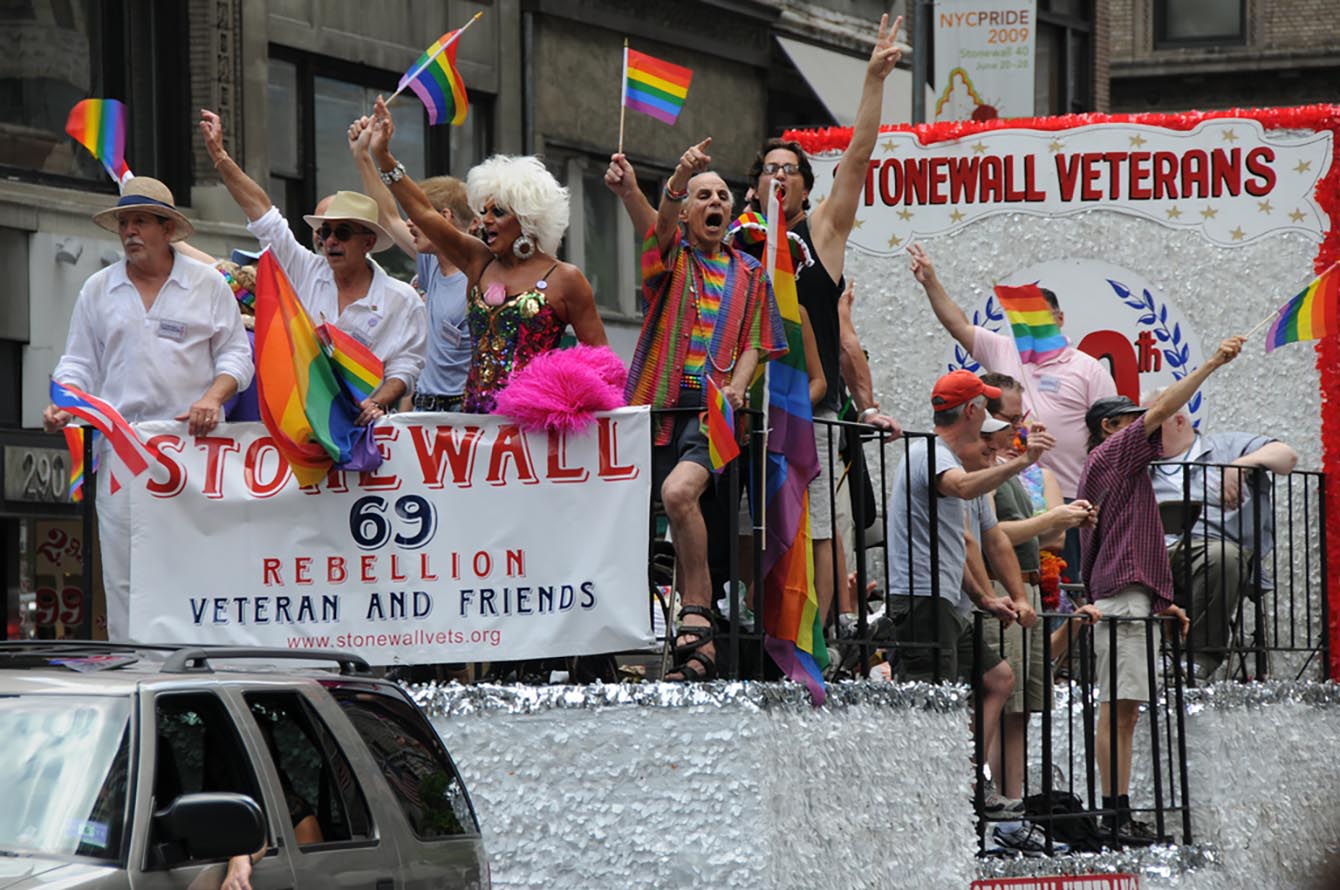
Veterans of the Stonewall uprising parading for New York Pride, 2009. Photo by jammnick / Wikimedia Commons (CC BY 2.0)
But here’s the interesting part: most of us weren’t even there. In fact, many of us weren’t even born yet.
So, what happened there exactly?
Stonewall was not the first police raid on a queer bar, nor the first act of resistance. Yet somehow, it became a symbol our community continues to remember, generation after generation.
To understand, let’s go back to one summer night in New York City.
Back to 1969
In the early hours of June 28, 1969, police raided the Stonewall Inn, a gay bar in Greenwich Village, New York.
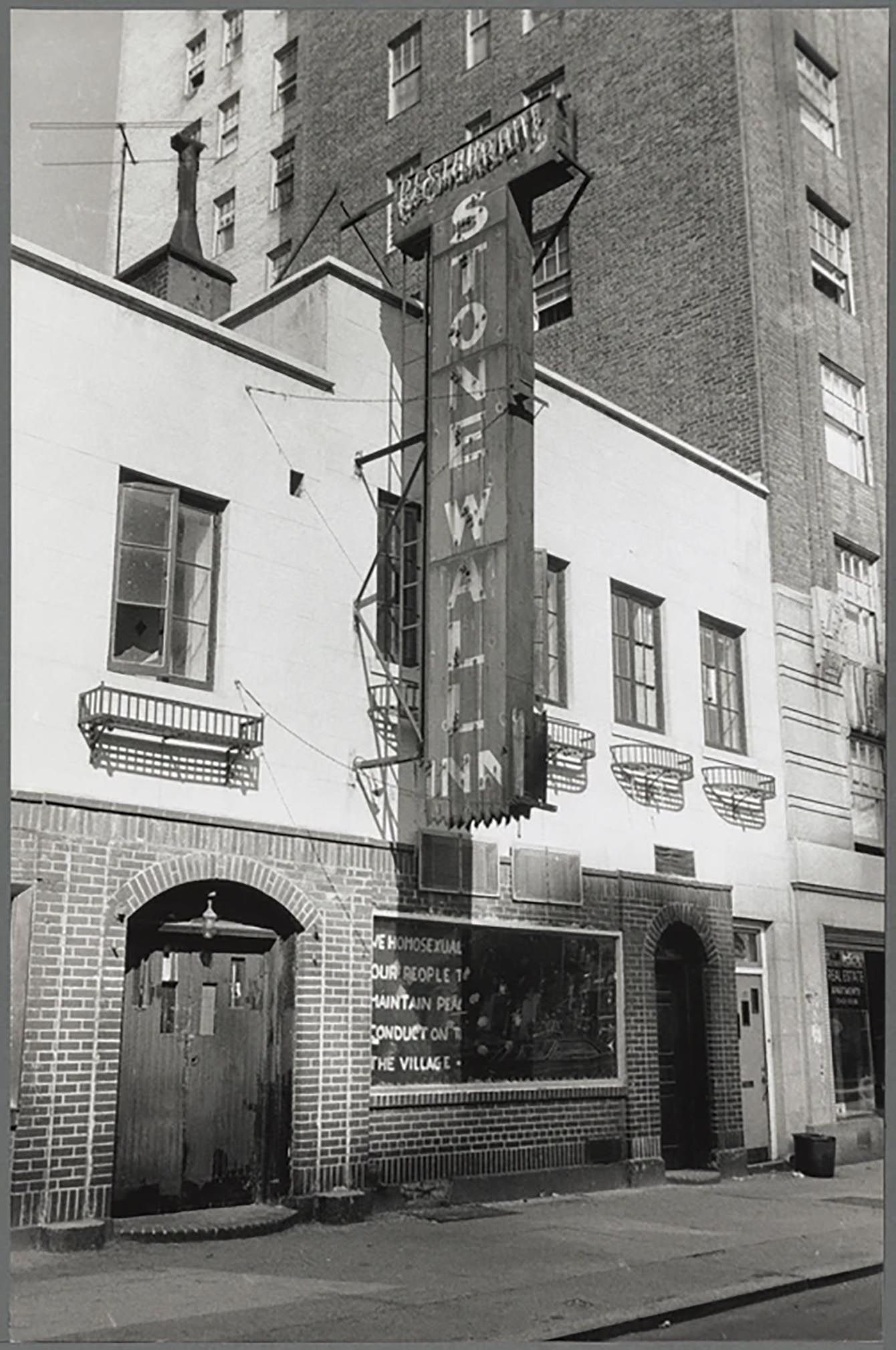
The Stonewall Inn, 1969. Photo by Diana Davies
At the time, raids on queer bars were nothing unusual. LGBTQ+ people could be arrested, harassed, exposed or simply punished for gathering in places where they felt safe enough to be themselves.
The Stonewall Inn was far from perfect. It reportedly had ties to the mafia, operated without a proper liquor licence and was often targeted by police. But for many gays, lesbians, drag queens, trans people and others living on the margins, it was also one of the few places where they could meet, dance, flirt and simply exist together.
That night, something was different.
As police arrested staff and patrons, a crowd began to gather outside. People had grown tired of the constant raids, the harassment and the feeling that they had nowhere they truly belonged.
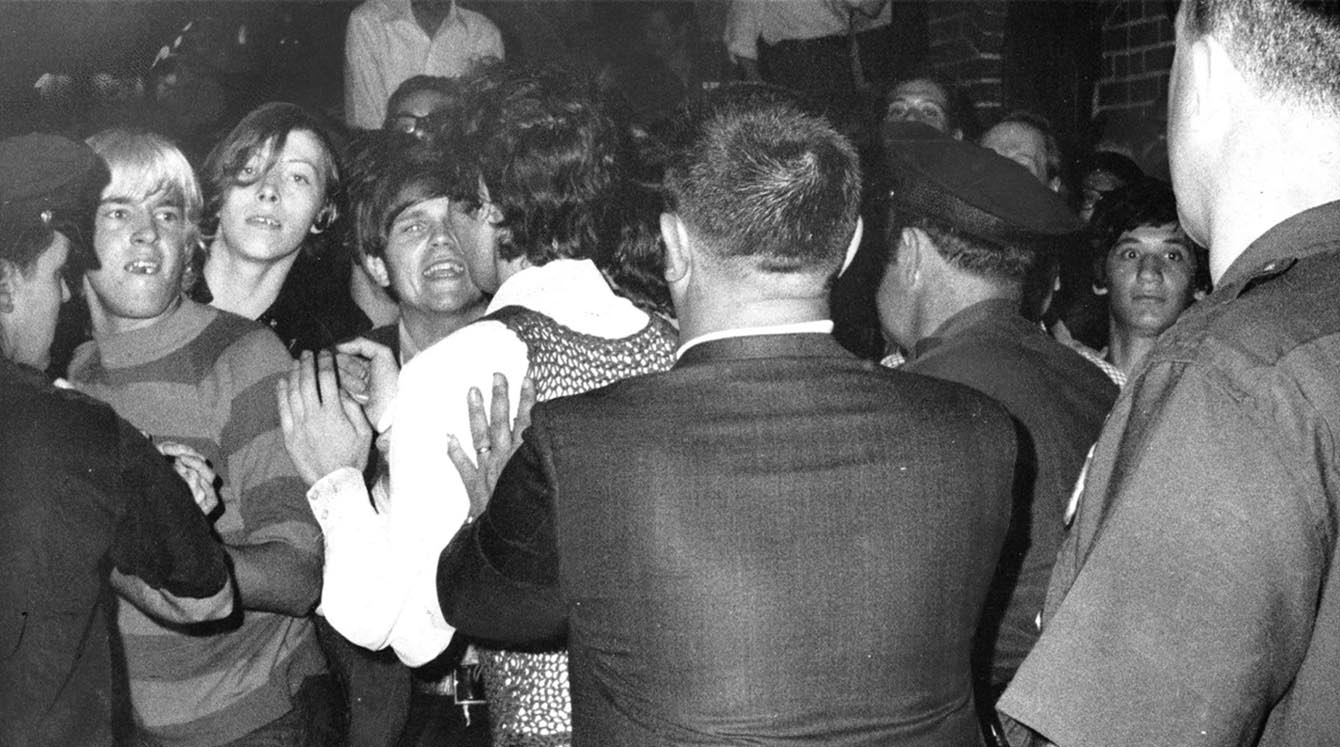
The crowd attempting to fight back police officers in Stonewall, 1969. Photo by NY Daily News Archive via Getty Images.
Instead of quietly dispersing, they pushed back, and what began as another routine police raid quickly turned into several nights of protests and resistance.
According to many eyewitness accounts, the mood changed dramatically when one woman resisted arrest and fought back as officers tried to force her into a police vehicle. Some remember her shouting at the crowd to act. Others recall her struggling against the police before the situation erupted.
More than fifty years later, historians still debate one detail from that night: who exactly was that woman?
The Woman Who Fought Back
Many believe it was Stormé DeLarverie, a performer in the famous Jewel Box Revue, one of America’s first racially integrated drag shows. Stormé often performed in men’s clothing, challenged traditional ideas about gender long before it became part of public conversations, and was a well-known figure in New York’s LGBTQ+ community.
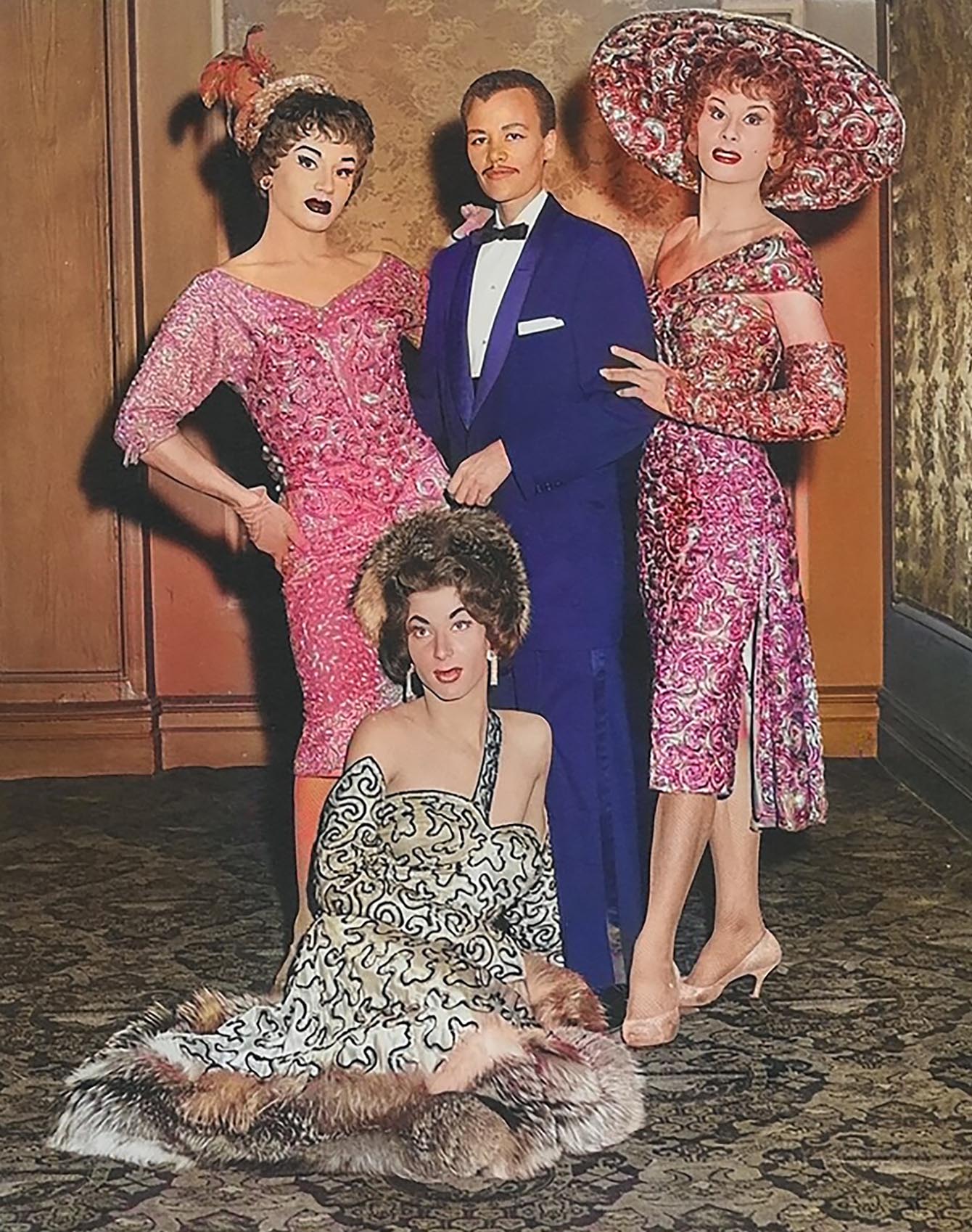
Stormé DeLarverie (centre) with fellow performers in New York, 1958. Photo by Schomburg Digital Collections / New York Public Library, colorized by Eli Erlick, via Wikimedia Commons (CC BY 4.0).
According to several eyewitness accounts, Stormé struggled as police tried to force her into a police vehicle. Some remember her turning to the growing crowd and shouting “Why don’t you guys do something?”, others recall seeing officers strike her as she resisted arrest. Like many details from that night, the exact sequence of events remains disputed, and some historians believe another woman may have been involved instead.
Stormé herself later rejected the idea that Stonewall was simply a riot: “It was a rebellion, it was an uprising, it was a civil rights disobedience – it wasn’t no damn riot.”
Whether it was Stormé or someone else at the centre of that moment may never be known with complete certainty.
But perhaps that isn’t the most important part of the story.
What is certain is that the people outside the Stonewall Inn had reached their limit. Years of police raids, harassment and discrimination had built up to a moment when an entire community refused to quietly accept “the way things were” any longer.
The resistance continued for several nights. A year later, people gathered to mark its anniversary with marches in New York, Los Angeles and Chicago. Those events would eventually grow into the Pride celebrations we know today.
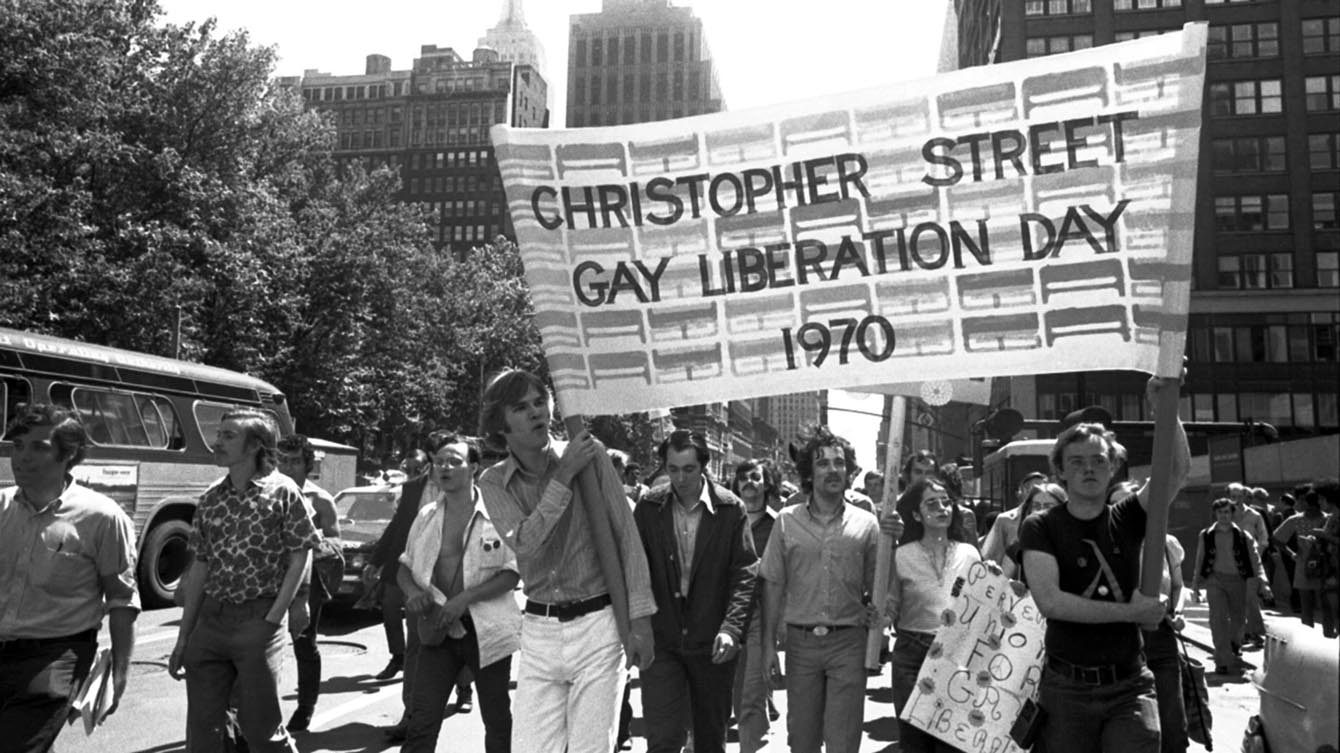
A group of activists marching in New York, in honor of the Stonewall Uprising’s first anniversary. Photo by Diana Davies / New York Public Library
More Than History
So why do we still remember Stonewall?
More than 50 years later, Stonewall is no longer just the name of a bar or a single night in New York. Every generation continues to discover its meaning in its own way.
Most of us will never know what it felt like to stand outside the Stonewall Inn that summer night in 1969. But we have inherited what followed.
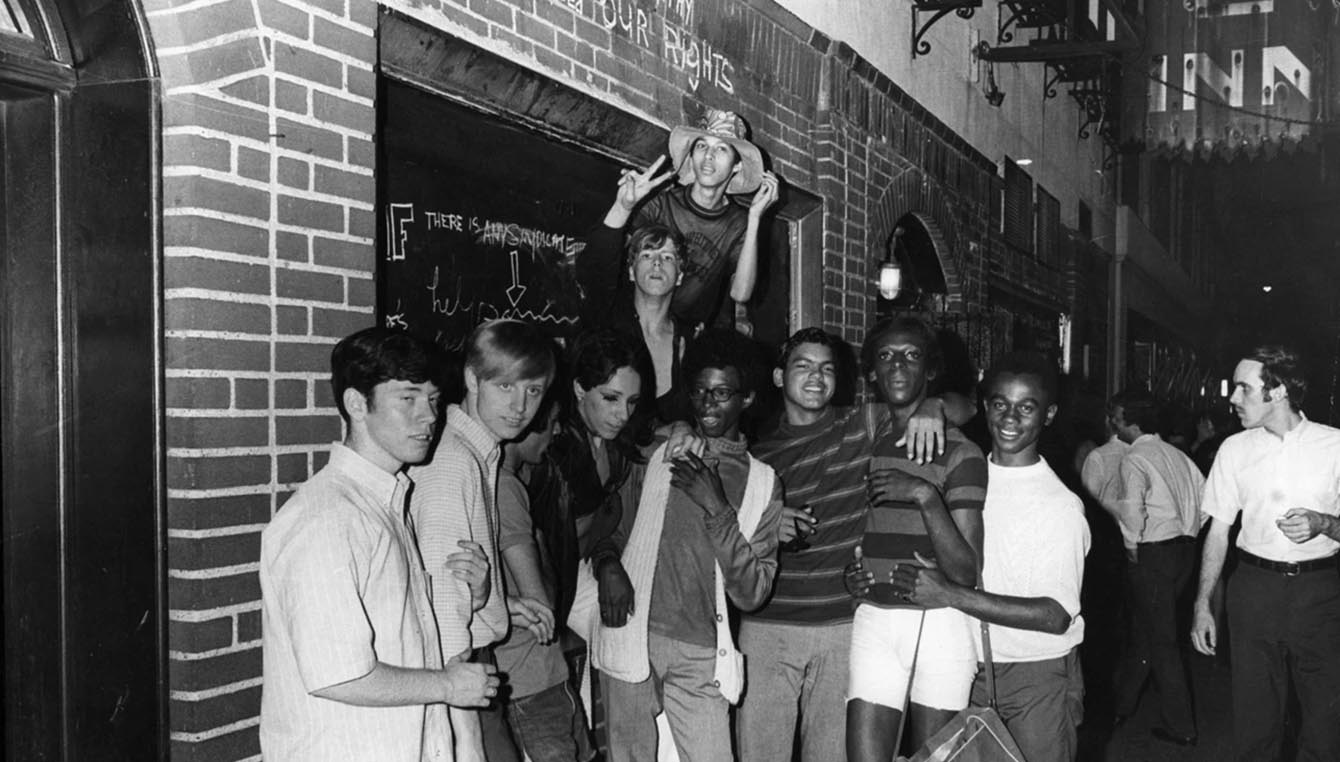
A group of young people celebrating outside Stonewall after the demonstrations. Photo by Fred W. McDarrah / Getty Images
Today, Pride can mean many different things. For some, it’s a parade. For others, it’s spending time with friends, celebrating with chosen family, or simply feeling part of something bigger than yourself.
That is part of Stonewall’s legacy too.
When we celebrate Pride, we are not simply looking back. We are celebrating everything that has been built since then, while remembering that progress is never something to take for granted.
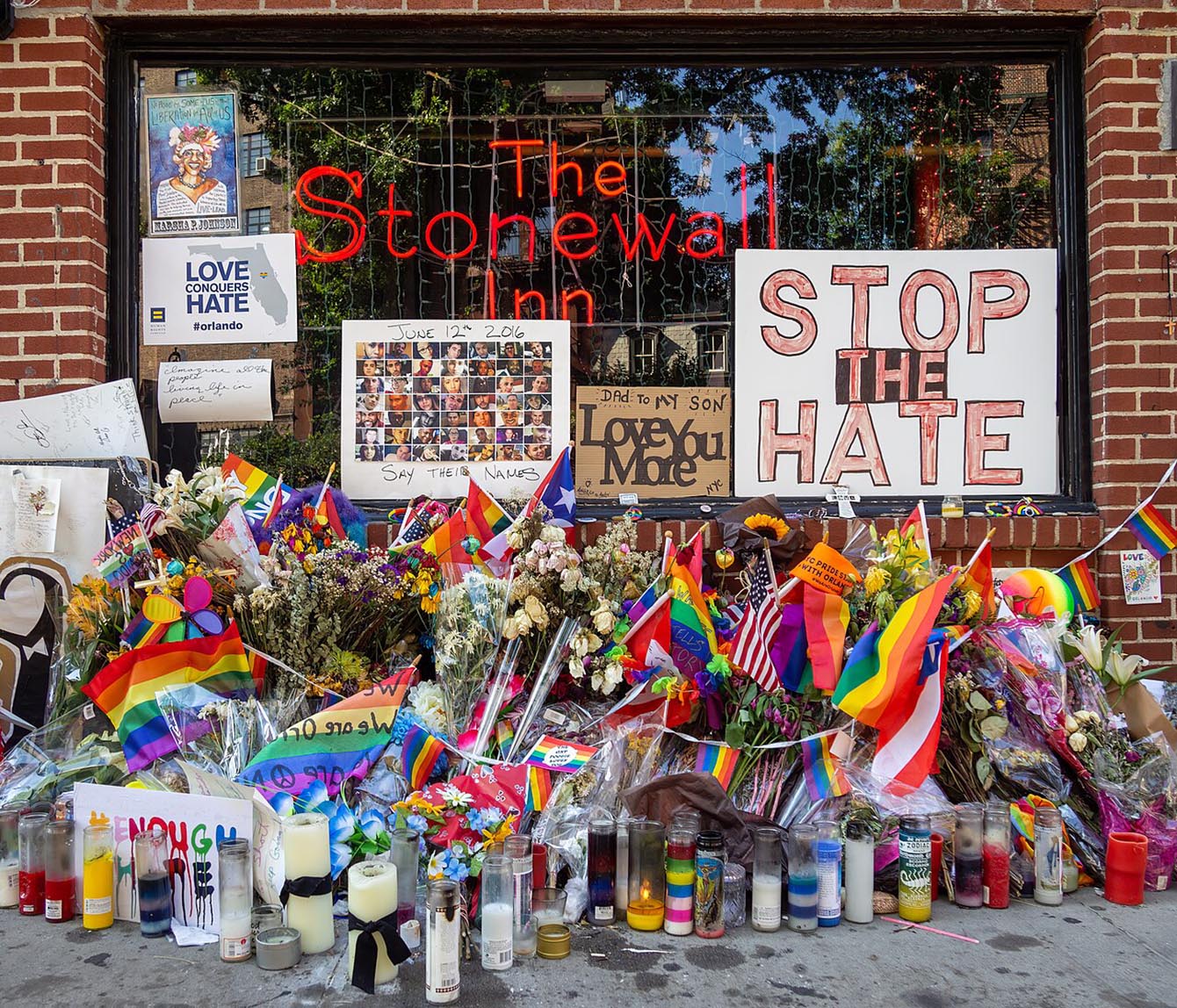
In 2016, following the Pulse nightclub shooting in Orlando, president Barack Obama established the Stonewall Inn as the first U.S. National Monument dedicated to LGBTQ+ in history. Photo by Rhododendrites, CC BY-SA 4.0 (via Wikimedia Commons)
It reminds us that change begins with people — and that dignity, visibility, community and the freedom to be yourself are worth protecting in every generation.
Your forever proud ROMEO Team 🌈